
Zakat

Zakat

Donate or calculate your Zakat, guaranteeing every contribution supports and uplifts those who need it most.

Zakat photo, 1 of 6
Your most generous donation
£
Other amount
Fundraise for this appeal One page from you can help far more families than one gift.

Fundraise for this appeal

Set up your own page in two minutes and ask friends and family to give.

You could be the reason a family's life changes. One person and one page can raise so much and help so many.

Start a fundraiser

2,652 donations

  • Anonymous donated £20,000United KingdomTop donation
  • Mehrban G. donated £20,000Rotherham, United KingdomTop donation
  • Sarah S. donated £1,790London, United Kingdom
  • Anonymous donated £1,000United Kingdom
  • H K. donated £200London, United Kingdom
  • Ijaz A. donated £50Maidenhead, United Kingdom
  • Anonymous donated £20United Kingdom
  • Anonymous donated £50United Kingdom
  • Aseem M. donated £20Watford, United Kingdom
  • Anonymous donated £10United Kingdom
  • Anonymous donated £3United Kingdom
  • Anonymous donated £2United Kingdom

About this appeal

  • AppealZakat
  • Gift AidAdds 25%
  • From the field

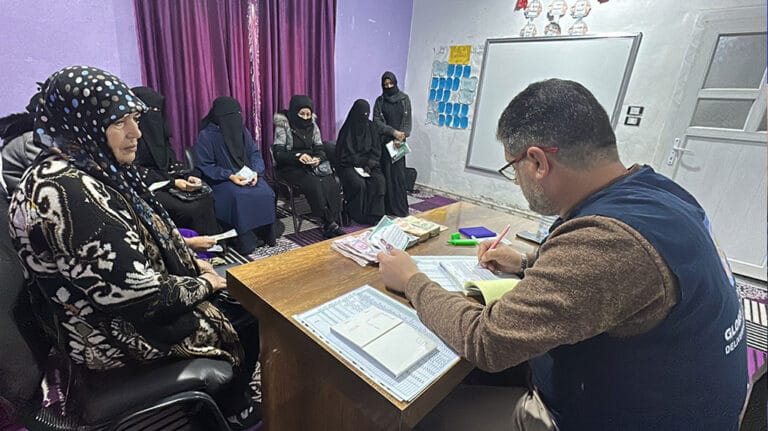
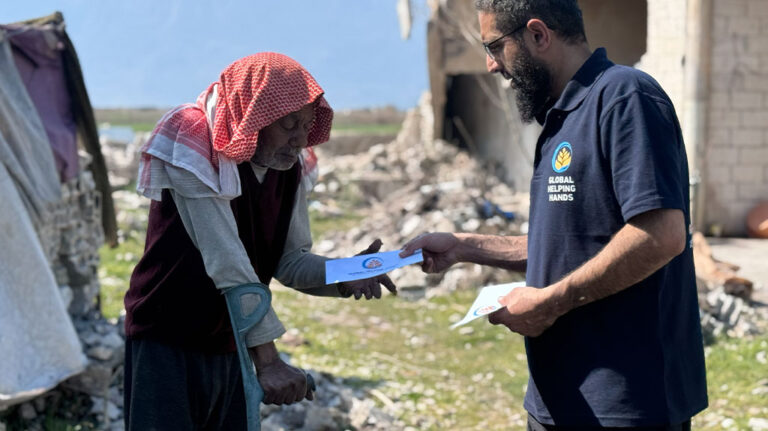
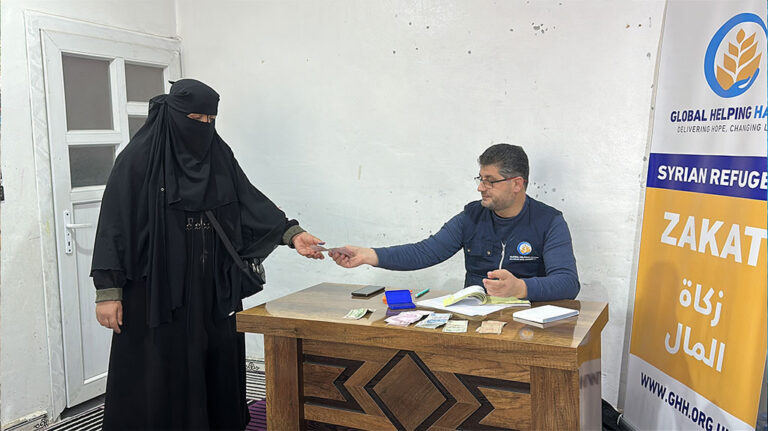
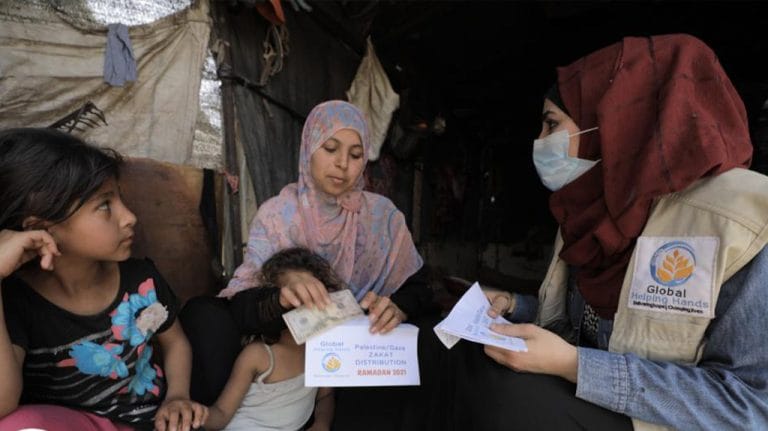
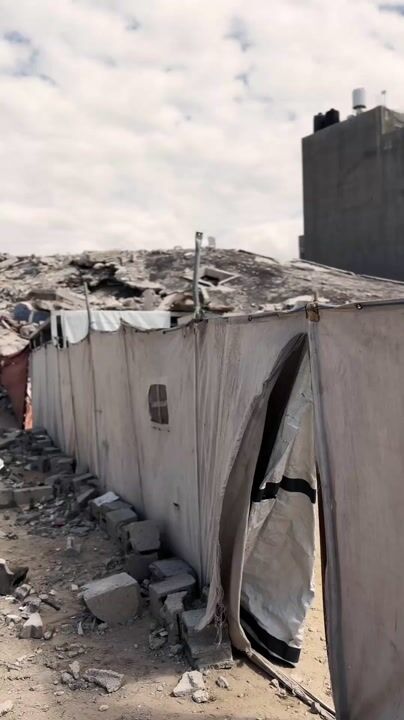
Pay your Zakat, the duty on every adult, sane, free and financially able Muslim, and we will give it to the people it is meant for: the poor and destitute in Palestine, Syrian and Rohingya refugee camps, Uganda, Pakistan, Bangladesh, Africa and Lebanon.

The category of people is defined in surah at-Taubah (9) verse 60: “The alms are only for the poor and the needy, and those who collect them, and those whose hearts are to be reconciled, and to free the captives and the debtors, and for the cause of Allah, and (for) the wayfarers; a duty imposed by Allah. Allah is knower, Wise.” (The Holy Qur’an 9:60).

The Pillar of Charity in Islam

Our Zakat distributions extend across critical regions, including Palestine, Syrian Refugees, Rohingya Refugees, Uganda, Pakistan, Bangladesh, Africa, and Lebanon. Embrace the spirit of Ramadan and contribute today to make a significant difference in the lives of our brothers and sisters facing hardship.Global Helping Hands uses Zakat to help some of the world’s poorest and most destitute communities. Your donations bring joy to these people and bring hope that one day they will be able to give rather than receive zakat.

  1. You donateSecurely, by card, Apple Pay or Google Pay.
  2. Every penny goes to the projectOur running costs are paid separately, so none of your Sadaqah or Zakat is used for them.
  3. Our team on the ground delivers itYour donation is spent on this appeal, with the people it was given for.
  4. You see it reach themReal footage from our teams on the ground, linked to the appeal it supports.

Fundraise

Raise money for Zakat

Ask friends, family and colleagues to give. Your page takes two minutes to set up, and every penny goes to the appeal.

  1. Set your goal
  2. Share your page
  3. Watch the gifts come in

Frequently Asked Questions About Zakat

Confused about donating? Take a look at our frequently asked questions below.

What is Zakat?

Zakat is an obligatory form of charity in Islam, constituting one of the Five Pillars. It involves giving a fixed portion of one's wealth to those in need, helping to purify wealth and distribute resources more fairly.

Who is eligible to receive Zakat?

Zakat can be given to eight categories of beneficiaries, including the poor, the needy, Zakat collectors, those whose hearts are to be reconciled, captives, debtors, in the cause of Allah, and wayfarers.

How is Zakat calculated?

Zakat is typically 2.5% of a Muslim's total savings and wealth above the Nisab threshold, which is the minimum amount of wealth a Muslim must possess before they are obligated to pay Zakat.

What is the Nisab threshold?

The Nisab is the minimum amount of wealth a Muslim must have before they are liable to pay Zakat. It is equivalent to the value of 85 grams of gold or 595 grams of silver.

When should Zakat be paid?

Zakat is due once a lunar year (Hijri year) has passed on the wealth that reaches or exceeds the Nisab threshold. Many Muslims choose to pay Zakat during Ramadan for the added spiritual benefits.

What types of wealth are subject to Zakat?

Zakat is applicable to cash, savings, gold, silver, investments, business goods, rental income, and agricultural produce. Personal items like clothing, household furniture, and cars are generally exempt.

What are the benefits of paying Zakat?

Paying Zakat purifies wealth, fosters social equality, helps reduce poverty, and fulfills a critical religious duty. It also brings spiritual benefits, such as gaining Allah's blessings and protection from miserliness.

How does Zakat differ from Sadaqah?

While both Zakat and Sadaqah are forms of charity, Zakat is obligatory with specific rules and recipients, and Sadaqah is voluntary and can be given at any time and amount. Zakat aims to redistribute wealth, whereas Sadaqah encourages regular charitable acts.

See it reach them

Short films from our teams on the ground, every week.

Watch all 40 films

More urgent appeals

See all appeals
Flooding now

Flooded tents, this winter

Palestine Emergency Appeal

Heavy rain has flooded the tent camps. Families are bailing water out of their tents with buckets.

£169,049 of £300,000

Donate
Urgent appeal

Inside our Pakistan clinic

Pakistan Emergency Appeal

Mothers, children and elderly patients cared for by our medical team, made possible by your donations.

£60,415 of £100,000

Donate

Palestine Prosthetic Limbs Appeal

Provide prosthetic limbs for Palestine amputees. Restore mobility, dignity, and independence for injured children and adults.

£23,236 of £25,000

Donate