
Your Zakat must reach eligible recipients. Learn about the 8 categories of Zakat recipients mentioned in the Quran.
Who Can Receive Zakat – 8 Categories Explained
Zakat must be given to specific people. Eligibility is defined clearly in Islamic guidance. Giving Zakat outside these categories invalidates the obligation. Understanding who can receive Zakat in the UK helps ensure your payment reaches the right people.
There are eight categories of Zakat recipients mentioned in the Quran. These categories guide how Zakat must be distributed. A Zakat charity must assess need carefully and apply these rules strictly.
The poor are those with little or no income who cannot meet basic needs.
The needy are those who have some income but not enough to live with stability.
Those employed to administer Zakat may receive it where permitted under strict rules.
Those whose hearts are to be reconciled may receive support in specific circumstances.
People in debt may receive Zakat if their debts were incurred for lawful needs and they cannot repay them.
Travellers in difficulty may receive Zakat if they are stranded and lack access to their own funds.
Those striving in the path of Allah may receive Zakat within defined limits.
Those in bondage may receive Zakat to regain freedom where applicable.
Zakat must be given directly to eligible individuals or used in ways that benefit them immediately. It cannot be used for general projects, buildings, or causes that do not transfer ownership or benefit directly to recipients.
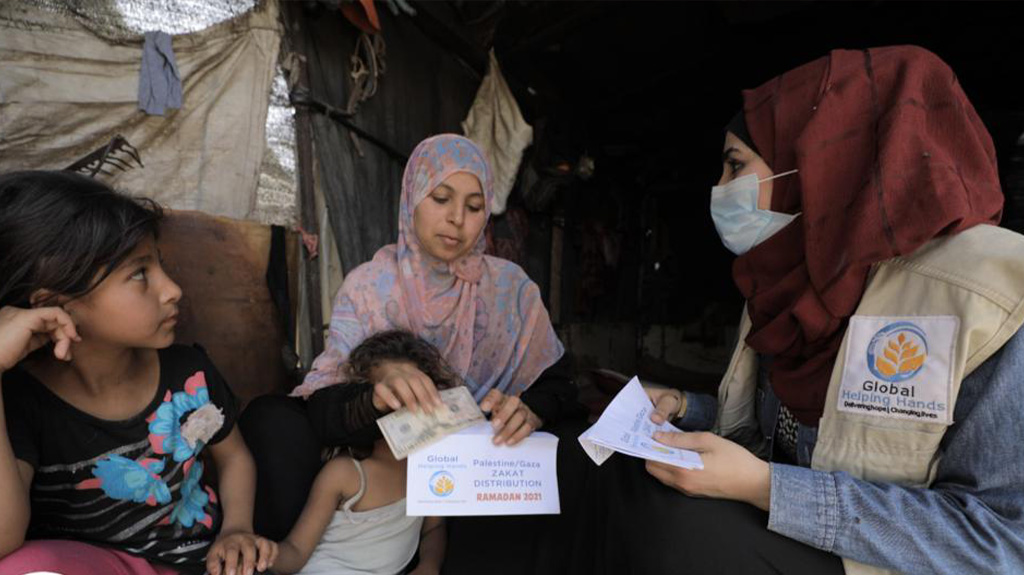
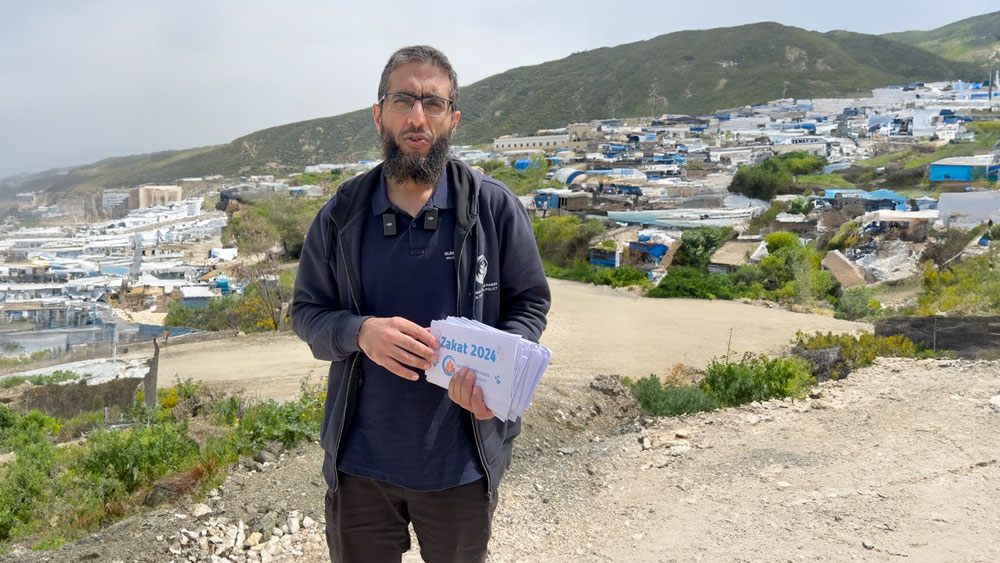
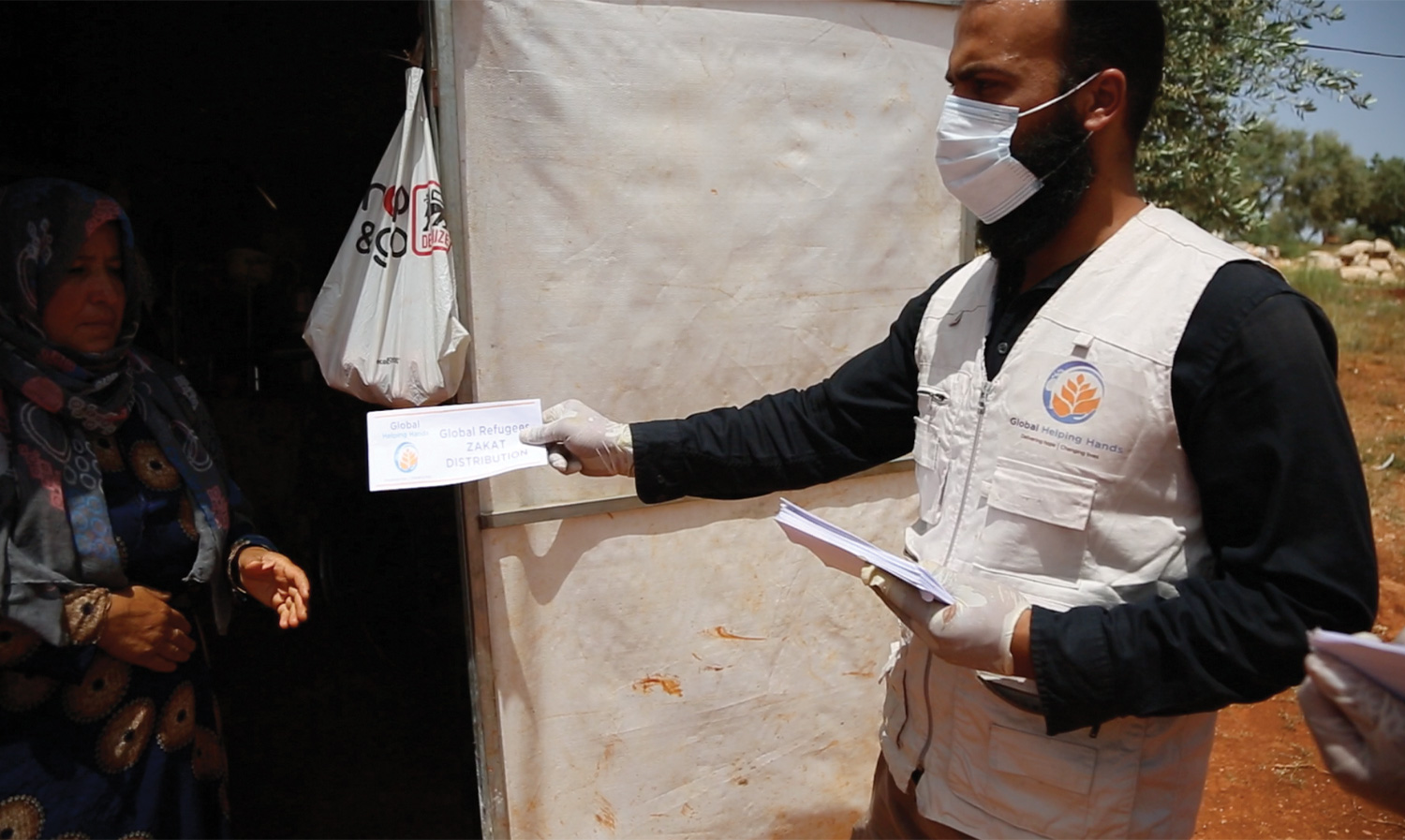
Global Helping Hands distributes Zakat strictly according to these eight categories. Zakat funds are kept separate. Public Zakat donations follow a 100 percent donation policy. Admin and operational costs are funded separately. This protects compliance and trust.
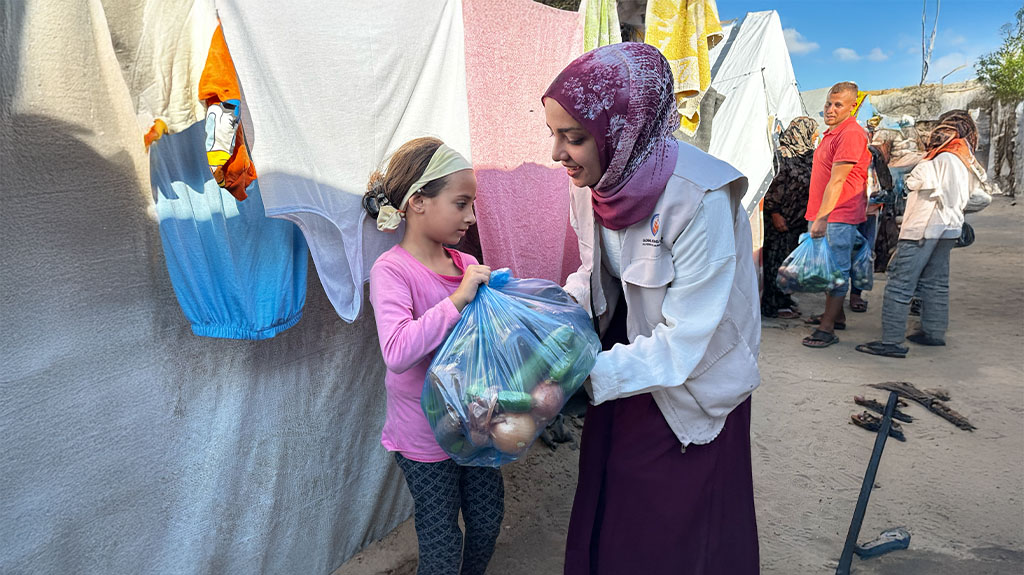
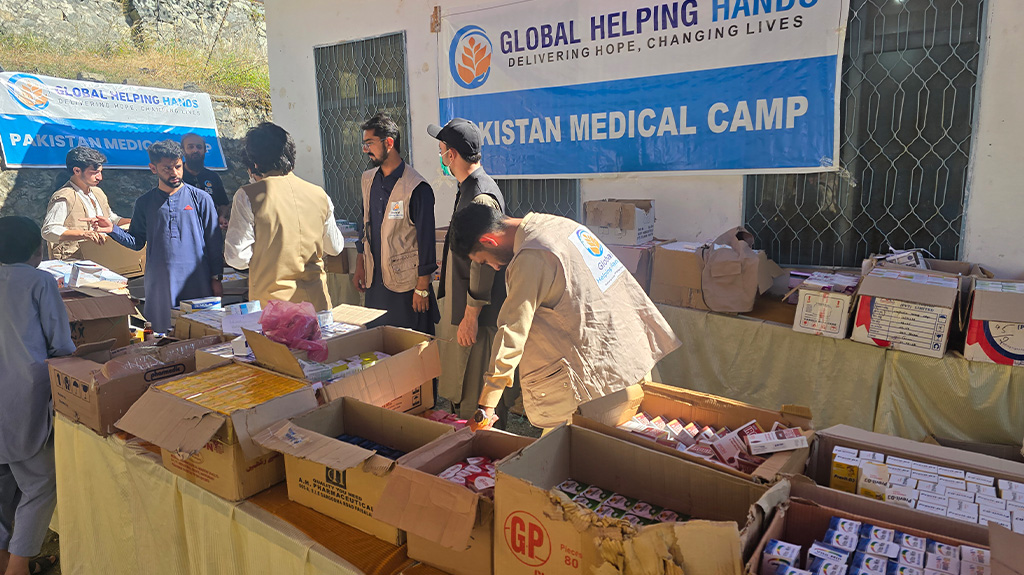
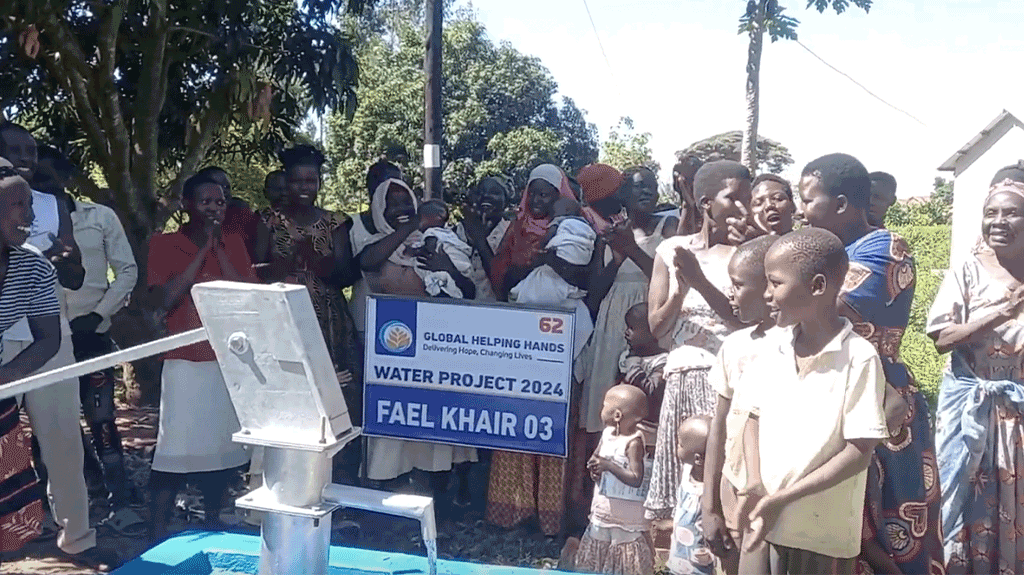
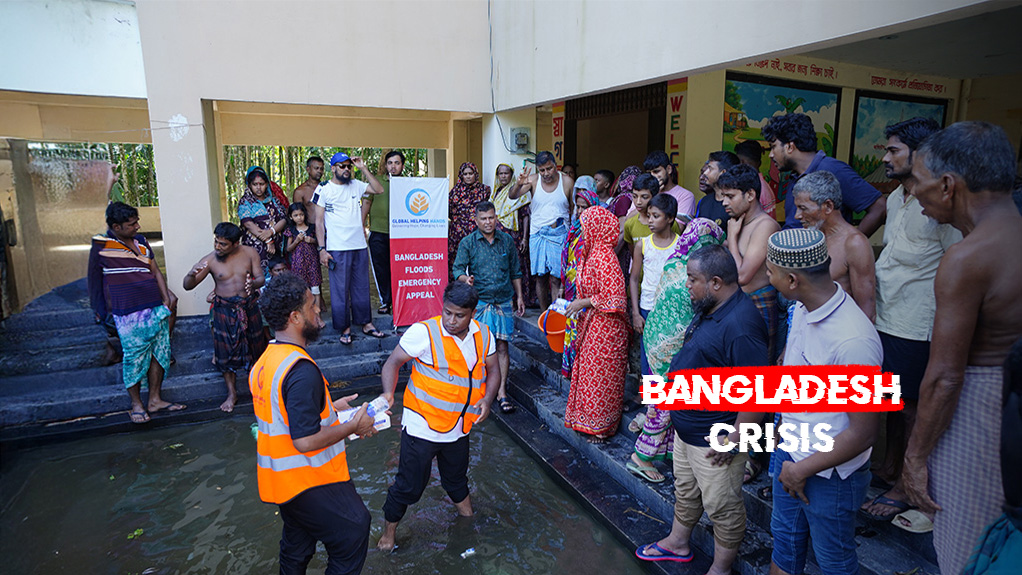
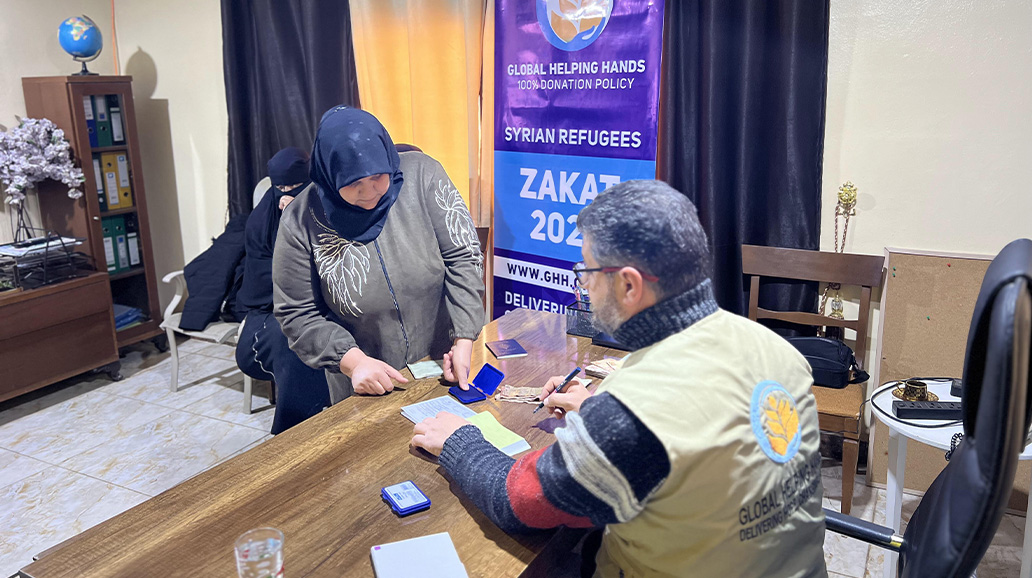
Eligibility checks matter. Income level. Living costs. Debt type. Urgency. These factors determine qualification. Distribution focuses on essentials such as food, clean water, medical care, and emergency support for people who meet Zakat criteria.
Transparency strengthens confidence. Clear Zakat policies. Separate accounts. Distribution updates from the field. UK charity regulation. These measures ensure Zakat reaches only those who qualify.
Giving Zakat correctly protects your obligation. It restores dignity. It reduces hardship. It supports people at moments of real need. Choosing a charity that understands eligibility rules ensures your Zakat fulfils its purpose.
Give with knowledge. Give with care. Ensure your Zakat reaches those who are entitled to receive it.
Recent Donation
Anonymous donated £20
Shelfield, United Kingdom
6 hours ago
Anonymous donated £20
Shelfield, United Kingdom
9 hours ago
Anonymous donated £20
Shelfield, United Kingdom
9 hours ago
Anonymous donated £25
maidenhead, United Kingdom
1 day ago
FAQ's
FAQs that cover the most common questions about donating to this project
Eligible recipients are those who fall within the eight categories defined in Islamic guidance, including the poor, needy, and people in debt.
They include the poor, the needy, Zakat administrators, those whose hearts are to be reconciled, people in debt, stranded travellers, those striving in the path of Allah, and those in bondage.
You can give Zakat to relatives if they are eligible, except for direct dependants such as parents, children, or a spouse.
No. Zakat must directly benefit eligible individuals. It cannot be used for general causes or building projects.
Charities assess income, living costs, debt, and urgency to ensure recipients meet Zakat criteria.
Yes when given through a charity that applies a 100 percent donation policy and keeps Zakat funds separate.