
Kaffarah has clear rules in Islam. It applies only in specific cases. Knowing these rules helps you pay the correct obligation and avoid mistakes.

If you break an oath, you must donate £30 to feed 10 needy people for 1 day
£
Custom Amount

The Rules of Kaffarah Explained for UK Muslims

Kaffarah is an obligatory expiation. It applies when a Ramadan fast is deliberately broken without a valid Islamic excuse. Intent is the core rule. Without intent, Kaffarah does not apply.

Actions that trigger Kaffarah include eating, drinking, or marital relations during daylight hours of Ramadan by choice. Scholars agree on this ruling based on authentic Islamic sources.

The required Kaffarah for one deliberately broken fast is to fast for 60 consecutive days. If this is not possible, the alternative is feeding 60 poor people. In the UK, this is fulfilled by paying £300 per fast.

Each fast is counted separately. One broken fast equals one Kaffarah. Two broken fasts require two Kaffarah payments. There is no combined or reduced rate.

Kaffarah does not apply to fasts missed due to illness, travel, pregnancy, breastfeeding, old age, forgetfulness, or coercion. In those cases, you either make up the fast later or pay Fidyah if fasting is not possible.

Kaffarah is different from Fidyah. Fidyah applies when a person cannot fast at all and has no hope of making it up later. Mixing these rulings leads to incorrect payment.

Payment should not be delayed without reason. Paying Kaffarah removes the obligation and ensures food reaches people who rely on this support.

Understanding the rules protects your worship. It ensures responsibility. It also turns a serious mistake into meaningful help for others.


Recent Donation

  • Tavleen D. donated £60

    Chalfont Saint Peter, United Kingdom

    10 hours ago

  • Anonymous donated £30

    Hounslow, United Kingdom

    1 day ago

  • Omar H. donated £90

    West Jordan, United States

    5 days ago

  • Afeef M. donated £60

    Solihull, United Kingdom

    5 days ago

Donations

      FAQ's

      FAQs that cover the most common questions about donating to this project

      When is Kaffarah required?

      Kaffarah is required when a Ramadan fast is deliberately broken without a valid Islamic excuse.

      Who must pay Kaffarah?

      You must pay Kaffarah if you intentionally broke a Ramadan fast without a valid Islamic reason such as illness or travel.

      Does Kaffarah apply to missed fasts?

      No. Missed fasts due to valid reasons require making up the fast later or paying Fidyah, not Kaffarah.

      Can I pay Kaffarah during Ramadan 2026?

      Yes. You can pay before Ramadan, during the month, or after. Paying earlier helps people sooner.

      How is my Kaffarah used?

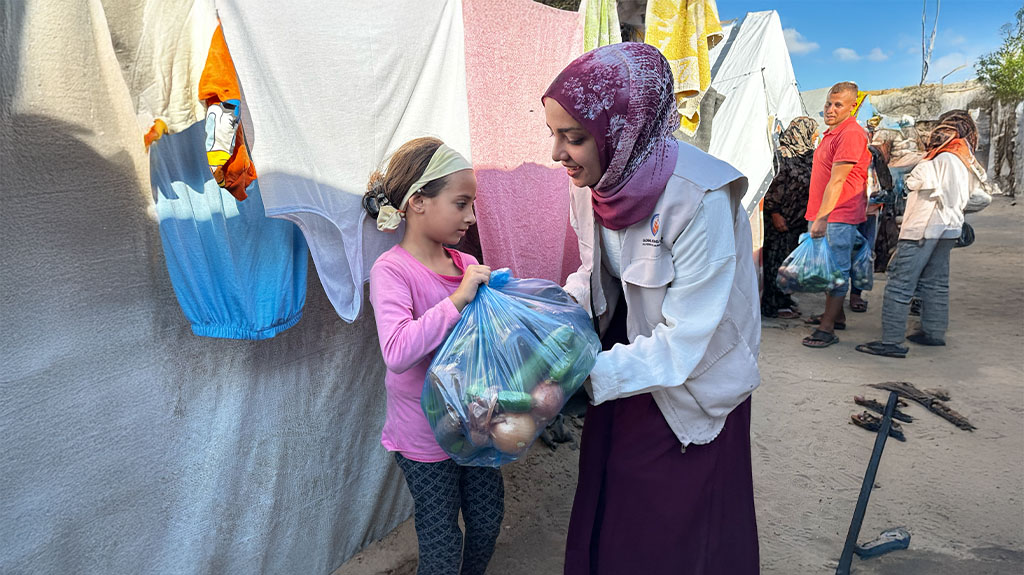
      Your payment provides food for 60 people, usually through cooked meals or essential food packs.

      Do I need to pay Kaffarah for each fast broken?

      Yes. Kaffarah is paid separately for every fast that was intentionally broken.

      Our Work

      Around the World

      Countries icon showing global reach of humanitarian aid programs

      Donate by Country

      Delivering Hope

      Hand icon representing helping others and charitable assistance

      Give your Zakat

      Donate or Calculate Zakat

      Charity icon representing humanitarian aid and community support work

      Sadaqah Jariyah

      Ongoing Charity Gifts

      Food icon depicting hunger relief and nutrition assistance programs

      Give Sadaqah

      Join us in saving Lives

      Book icon symbolizing education and literacy support programs

      Kaffarah

      Breaking an Oath

      Siren icon highlighting emergency humanitarian crisis requiring immediate action

      Emergencies

      Immediate Crisis Relief

      Rice icon representing food aid and hunger relief programs

      Bread For Life

      Bread for Everyone

      Tax deductible donation icon for charitable contribution information

      Interest Money

      Donate your interest

      100% donation policy icon guaranteeing complete fund allocation

      Our Promise To You ↓

      Our 100% donation policy ensures that every single donation is entrusted (Amanah) to us to support the needy, destitute, poor, orphans, and widows.