Fidyah for Illness UK – Chronic Illness Fasting Rules
Illness can make fasting unsafe. Islam provides a clear concession. The ruling depends on duration and recovery. The goal is to protect health while fulfilling duty correctly.
Fidyah applies when illness is chronic and fasting is permanently not possible. This includes conditions where medical advice confirms that fasting would cause harm and recovery is not expected. In these cases, fasting is not required and Fidyah replaces it.
Temporary illness follows a different rule. If you are unwell but expect to recover, you do not pay Fidyah. You delay fasting and make up the missed days later. Accuracy matters. Paying Fidyah when make-up fasts are possible is incorrect.
The Fidyah amount in the UK is £5 per missed fast. Each payment feeds one poor person for one day. To calculate, count the number of days you cannot fast and multiply by £5. If the condition prevents fasting for the whole month, multiply £5 by the total days of Ramadan. Payment should be made as soon as possible, ideally during Ramadan, so food reaches people on time.
Medical guidance matters. A qualified healthcare professional can help confirm whether fasting would cause harm. If the condition is ongoing and permanent, Fidyah applies. If treatment or recovery is likely, make-up fasts apply instead.
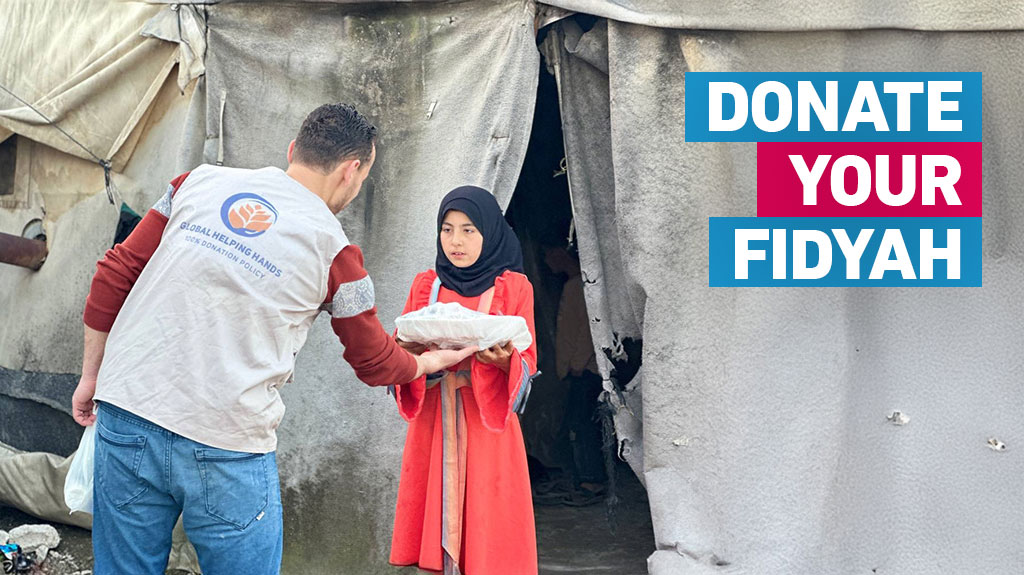
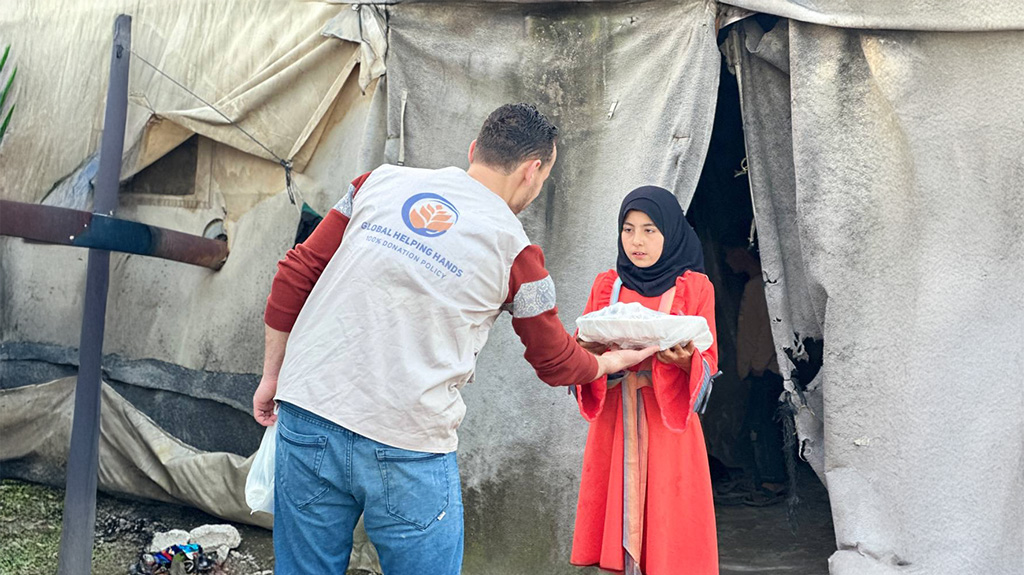
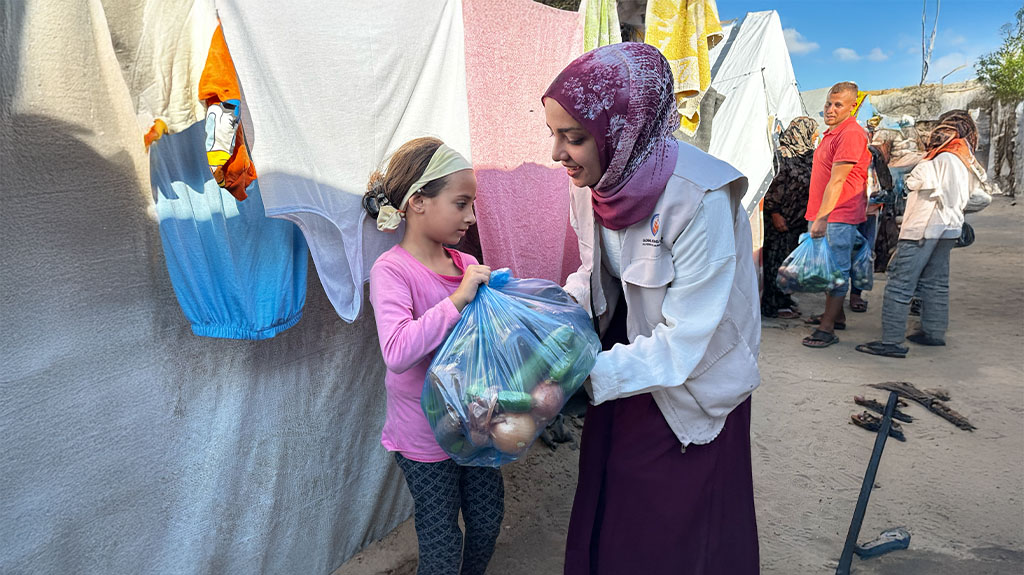
Fidyah has a strict use. It must be used to feed the poor and needy. Meals. Staple food. Nothing else. Correct allocation protects validity and intention. Paying through a trusted charity helps ensure compliance.
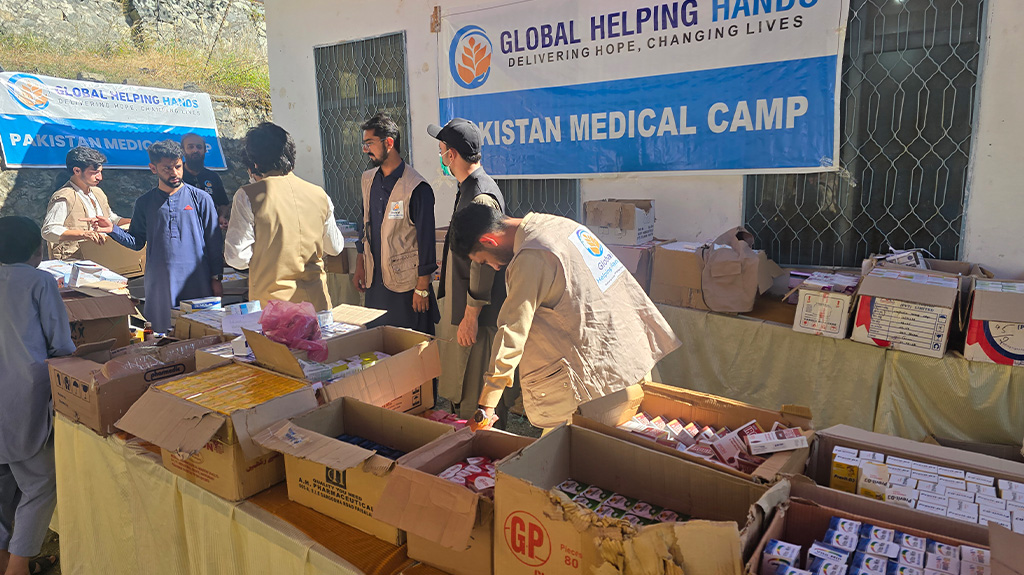
Global Helping Hands enables UK donors to pay Fidyah for illness with confidence. The charity operates a 100 percent donation policy. Public Fidyah funds go directly to feeding eligible recipients. Admin and operational costs are funded separately. This safeguards intent and compliance.
Online payment simplifies the process. You calculate quickly. You donate securely. You receive instant confirmation for your records. This is helpful during Ramadan when decisions must be made promptly. Digital payments also support faster food distribution on the ground.
Fidyah supports daily nourishment for people who struggle to access food. Each £5 meets a basic need. The impact is direct and timely.
If chronic illness prevents fasting permanently, do not delay. Confirm the ruling. Calculate accurately. Pay the correct amount. Fulfil the obligation with clarity and care.