Why sustainable development projects matter
Emergency aid keeps people alive through a crisis. It does not, on its own, change the situation that left a family so exposed in the first place. GHH's livelihood work is built around a simple question: what would let this household earn for itself next year?
The answer is usually an asset. That might be a tree, a few animals, a machine or a vehicle. With it, a family can produce something to eat or sell, and the benefit continues long after the donation has been spent.
GHH puts it this way on its own pages: we do not believe in simply distributing aid, we invest in the communities we serve and their future. Each project below is a real appeal you can fund today.
Trees and crops: food now, income later
Fruit trees in Gambia and Uganda: £6 plants a fruit tree and covers its ongoing care. Trees can be planted in maize fields and around homes, giving families fruit, shade and healthier soil, with surplus fruit to sell to nearby villages. The appeal includes feedback to donors.
Olive trees in Palestine: each farming family receives 25 to 50 trees, which start to fruit within three to five years. A tree of 15 to 20 years old gives about 15 to 20 kilogrammes of olives a year. GHH's goal is 5,000 trees supporting around 1,200 farmers.
Potato Project for Syrian refugees in Lebanon: £5 helps refugee families grow and harvest their own potatoes. The crop feeds the family, and any surplus can be sold for an income.
Animals, machines and vehicles
Some families already have skills or land but lack the starting capital. These projects provide it.
- Goat farming in Chad, £250: one male and four female goats. The family drinks the milk, sells the excess, and breeds and sells animals as the herd grows. GHH can also buy goats back for its Aqiqah and Qurbani programmes, giving the family a ready buyer.
- Sewing machines in Pakistan, £250 per widow: training on electric machines first, then a manual machine of her own as start-up capital. Most of the women come from households headed by a woman.
- Sewing machines in Morocco and Sri Lanka: an industrial machine for a widow or woman in need, so she can take in sewing work from home.
- Rickshaw loaders in rural Pakistan, £1,050: a 100cc rickshaw with a flat loader bay and room for one passenger beside the rider. You can also give £300 or £525 towards one.
Each of these is chosen to suit the local economy. Goat herding fits farming communities in Chad. In rural Pakistan, rickshaws are already a common way to earn a living, and a loader bay lets the owner carry goods as well as people.
How to judge a livelihood project
Not every project labelled sustainable will last. If you are deciding where to give, these questions help separate a real livelihood from a one-off gift:
- Does it produce income? A tree that fruits, a herd that breeds or a machine that earns is different from an item that is simply used up.
- Is there a market? Surplus potatoes, fruit or milk only help if someone nearby will buy them. The goat project's buy-back arrangement answers this directly.
- Does the person have the skill? The Pakistan sewing project trains women before handing over a machine.
- Who maintains it? The fruit tree price includes ongoing care, not just planting.
- How long until it pays? Olive trees take three to five years to fruit, so they suit donors who want a slower, longer return.
Sadaqah Jariyah that keeps working
Many of these projects also count as Sadaqah Jariyah, ongoing charity. In a hadith recorded by Muslim, the Prophet ﷺ named ongoing charity first among the three things whose reward continues after death, alongside useful knowledge and a child who makes du'a for their parent.
A tree that feeds a family each season, or a machine that supports a widow for years, fits that description well. Every harvest and every finished garment is good that came from your gift, which is why sustainable development projects are a natural choice for ongoing charity. The olive is also honoured in the Qur'an, which opens Surah at-Tin with an oath by the fig and the olive (95:1).
You can see all of GHH's sustainable development projects together on its Sustainable Projects page. For background on why income matters so much for families living in poverty, the World Bank's poverty overview is a useful starting point.
If you prefer to give in very small steps, a £6 fruit tree or a £5 contribution to the Potato Project is a good place to start. If you can fund a whole asset, a goat herd or a sewing machine changes one family's prospects in a single gift.

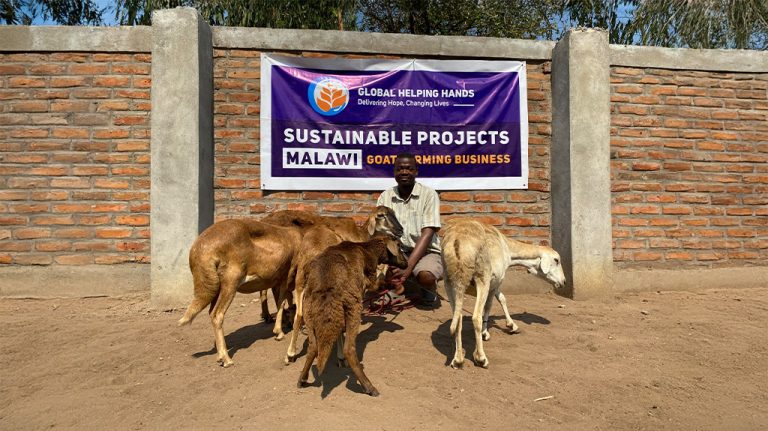 Goat Farming Business
£250 gives a family in Chad five goats to breed. Donate now
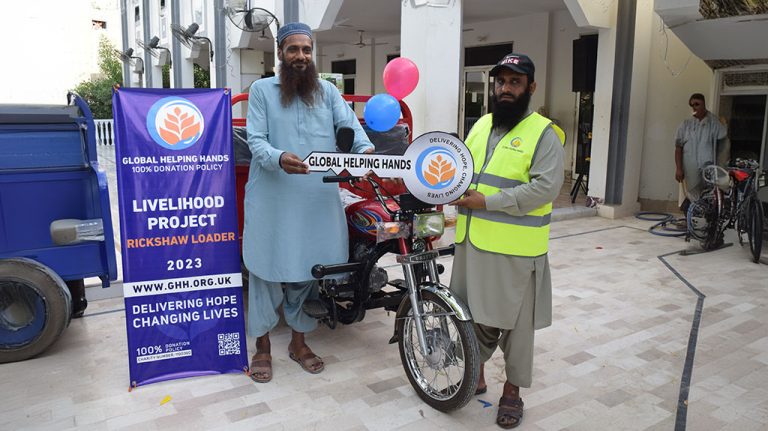 Rickshaw Loader
£1,050 buys a 100cc loader rickshaw for rural Pakistan. Donate now
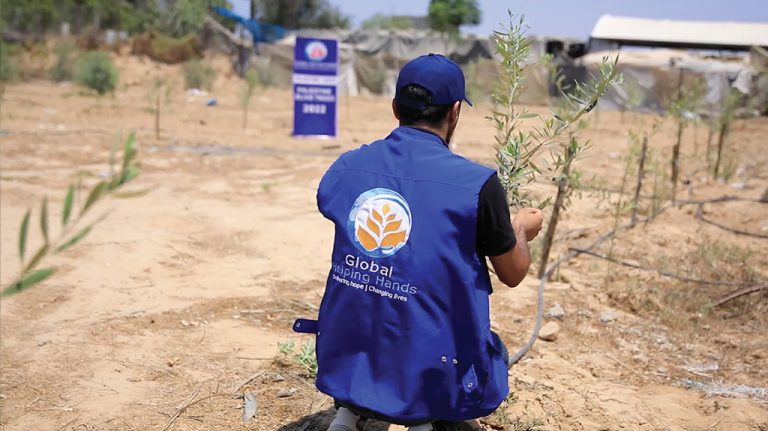 Olive Trees
25 to 50 trees for a farming family in Palestine. Donate now
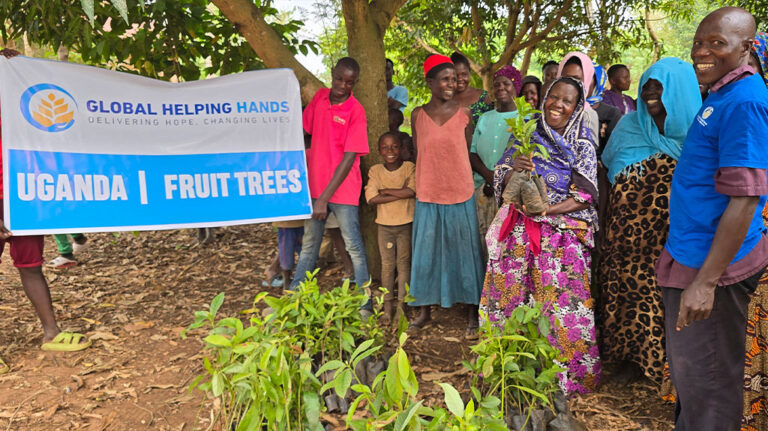 Fruit Trees
£6 plants and cares for a fruit tree in Africa. Donate now