Who the Rohingya are and why they need help
The Rohingya are a mainly Muslim people from Rakhine State in western Myanmar. For decades they have faced discrimination and violence, and most have been denied citizenship in the country they call home.
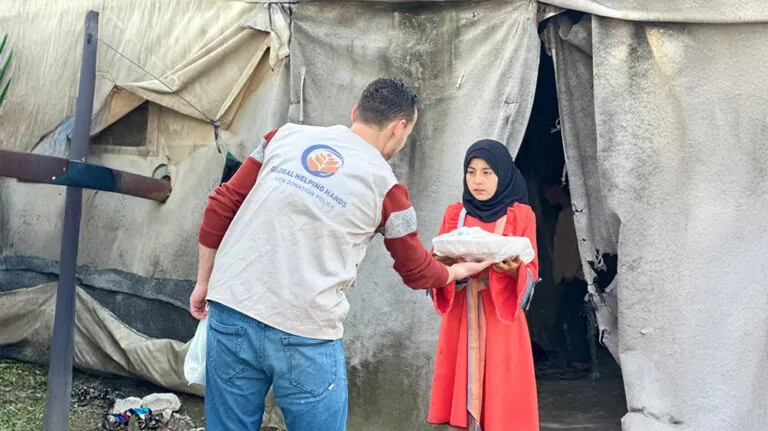
Waves of violence have driven hundreds of thousands across the border into Bangladesh, with the largest exodus in 2017. Most now live in vast refugee camps in the south-east of Bangladesh, made up of bamboo and tarpaulin shelters packed closely together.
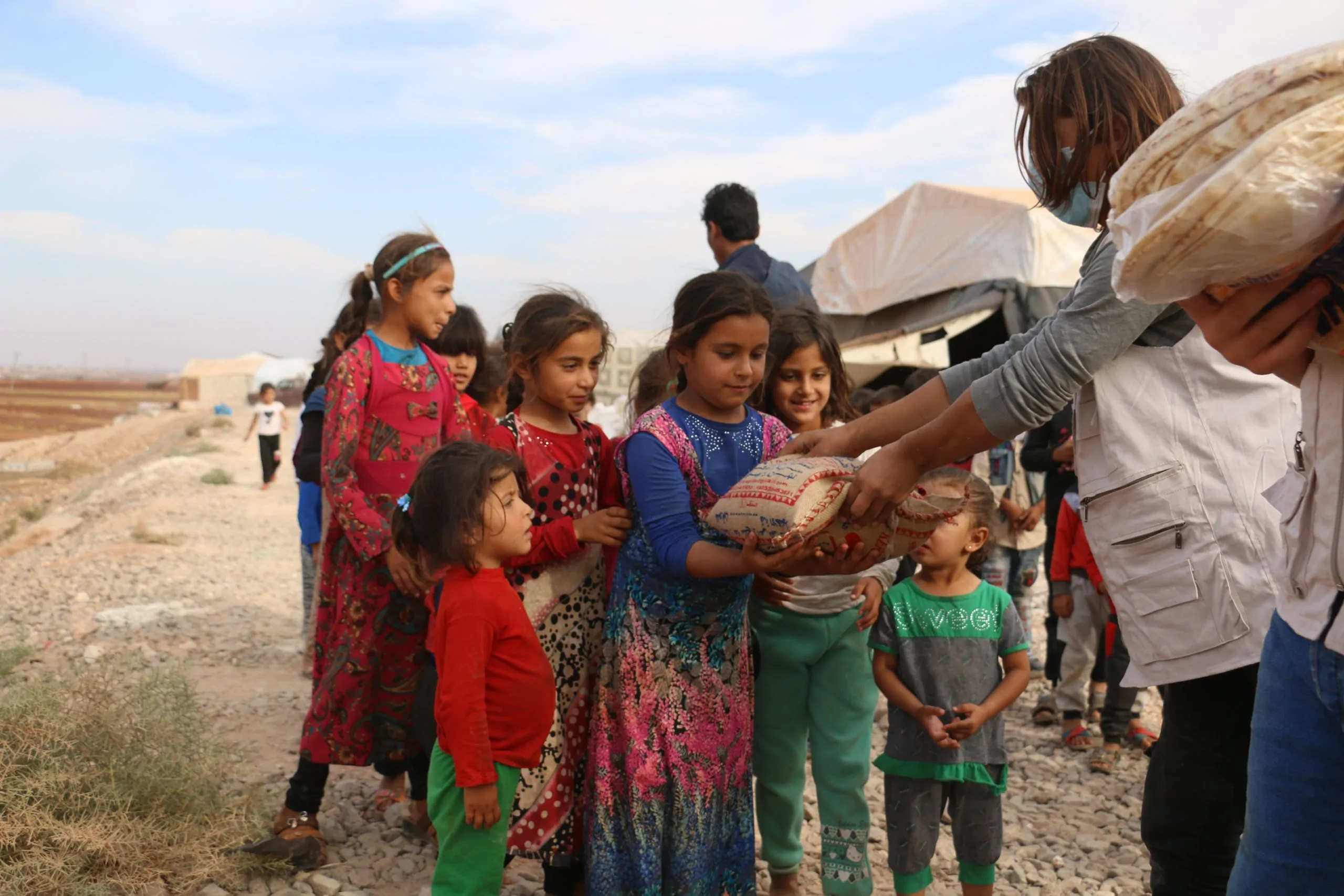
Life in the camps is hard and has lasted for years. Families depend heavily on aid for food, water and health care, and many children have grown up knowing nothing else. For current figures and situation reports, ReliefWeb's Myanmar page is a reliable source.
The needs in the camps
The needs that GHH's appeals respond to are practical and constant:
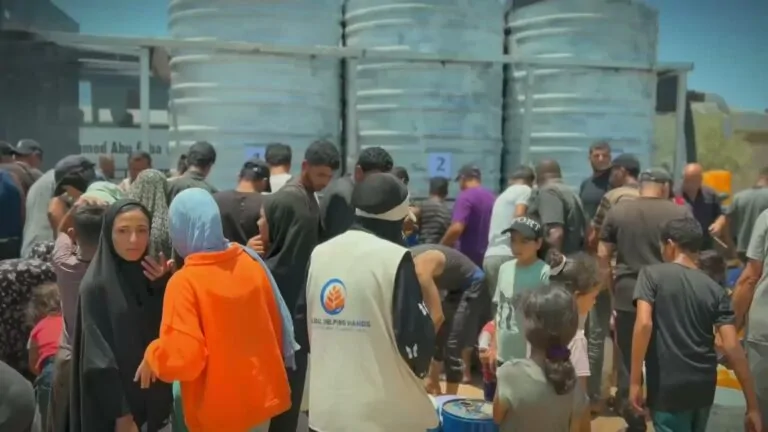
- Clean water: safe water close to shelters, so families are not relying on unsafe sources.
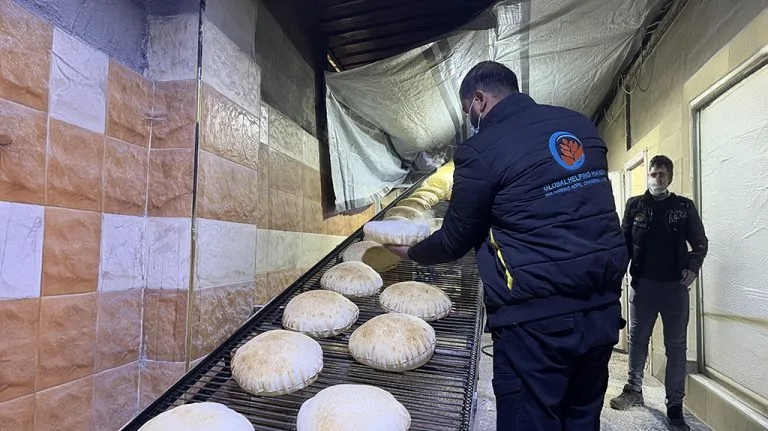
- Food and shelter: households with little or no income need regular food and protection from the weather.
- Health care: treatment for illness and injury in a crowded setting.
- A place to pray and learn: somewhere for daily prayers and for children to learn the Qur'an.
GHH's Rohingya charity work
GHH lists the Rohingya camps among the regions where it worked in its 2024 to 2025 annual report. Its appeals for the Rohingya community are all run from one place, the Rohingya refugees page.
Emergency aid: the Rohingya Emergency Appeal pays for medical care, nutritious food and safe housing for displaced families, plus cash assistance so they can cover urgent needs. GHH's team on the ground uses the funds where the crisis is most acute.
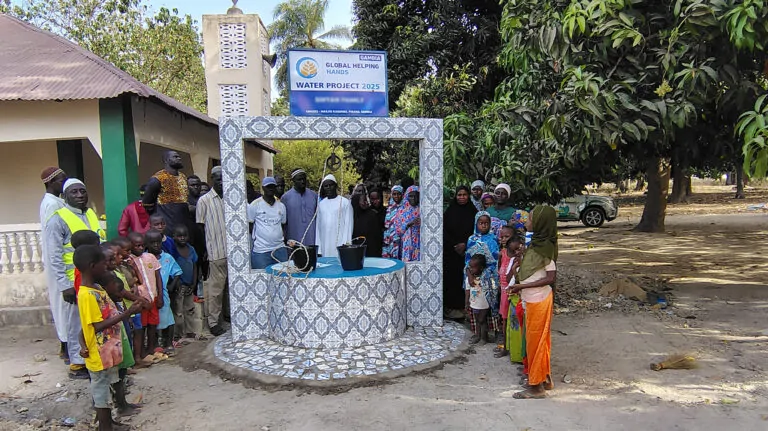
Water pumps, £200: each Rohingya Water Pump is drilled 100 to 200 feet deep and brings clean water to five or six families near their shelters. GHH gives a lifespan of up to five years. Water close to the shelters also means fewer long trips with heavy containers, a burden that usually falls on women and children.
Electric water well, £900: a deeper well of 300 feet, serving 300 people, which suits a larger part of a camp. GHH aims to finish either water project within six months of your gift, and sends pictures and film along the way, ending with the name you chose on a plaque.
A musalla for prayer and Qur'an classes
Many Rohingya families have no space set aside for prayer. GHH builds musallas, simple prayer rooms of metal and wood, rather than full masjid buildings. GHH is clear about this on the appeal page so donors know exactly what they are funding.
Each Rohingya musalla measures about 30 by 20 feet and holds 100 to 120 people at one time, with up to 150 worshippers using it for daily prayers. It is built in about three months by a local team with permission to work in the camp, and is used for Qur'an classes for children and adults as well as prayer.
The full cost is £2,200, or £1,100 for half. Donors who fund a whole musalla receive a video update within six months, a final report and the chance to have names engraved on a plaque. Smaller gifts are pooled, and musallas built from many donors carry the name Fael Khair, meaning doer of good.
Qurbani for Rohingya families
At Eid al-Adha, GHH carries out Qurbani for Rohingya families and gives the meat directly to the most vulnerable households in the camps. The prices are:
- £65 for one share (one seventh) of a cow or bull;
- £150 for a goat or sheep;
- £450 for a whole cow or bull.
GHH says it makes sure each sacrifice is performed on time, so your Qurbani is valid as well as useful. For families in the camps who have little or no income, a share of Qurbani means they too can mark Eid with a proper meal, alongside the rest of the Ummah celebrating around the world.
Giving to a Rohingya charity appeal through GHH means your gift is covered by its 100% donation policy, with running costs paid separately from Gift Aid and admin donations. GHH also lists the Rohingya refugee communities among the places it distributes Zakat, so you can direct your Zakat to eligible families there.
GHH also works with Bangladeshi communities outside the camps, through water pumps, flood relief and Qurbani; see its Bangladesh page for those projects.
The Rohingya crisis has been running for years and rarely makes the news now. That is exactly why steady support, whether a pump, a share of Qurbani or a monthly gift, matters so much to the families still living in the camps.

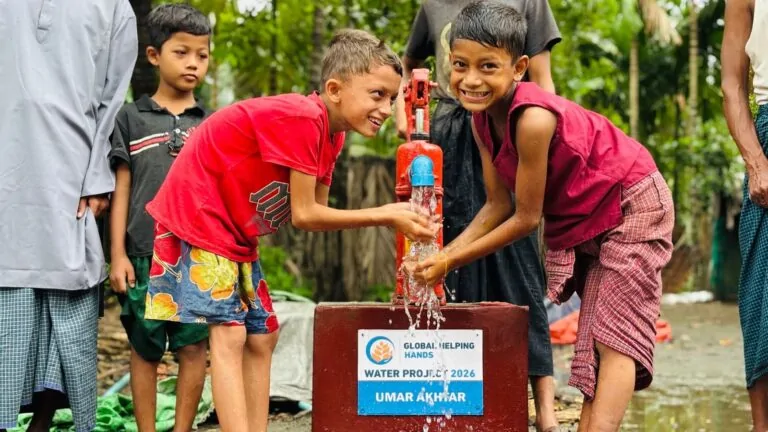 Rohingya Water Pump
£200 brings clean water to five or six families. Donate now
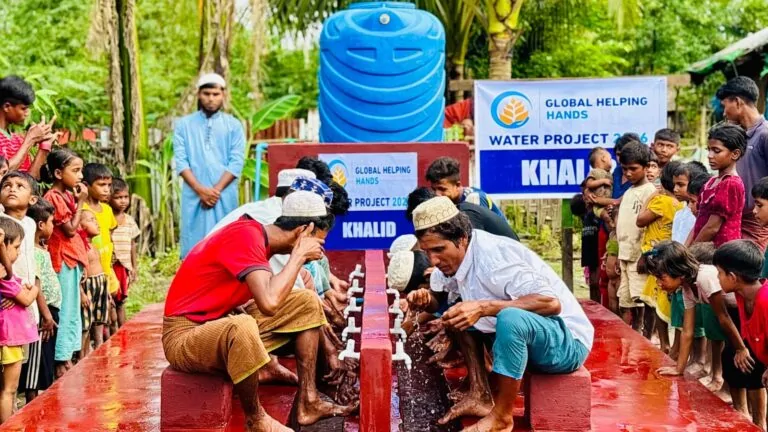 Rohingya Water Well
A 300-foot electric well serving 300 people for £900. Donate now
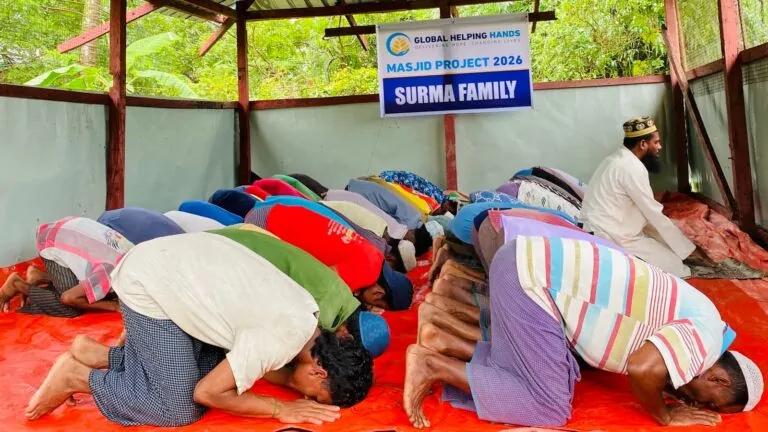 Rohingya Musalla
£2,200 builds a prayer room used for Qur'an classes. Donate now
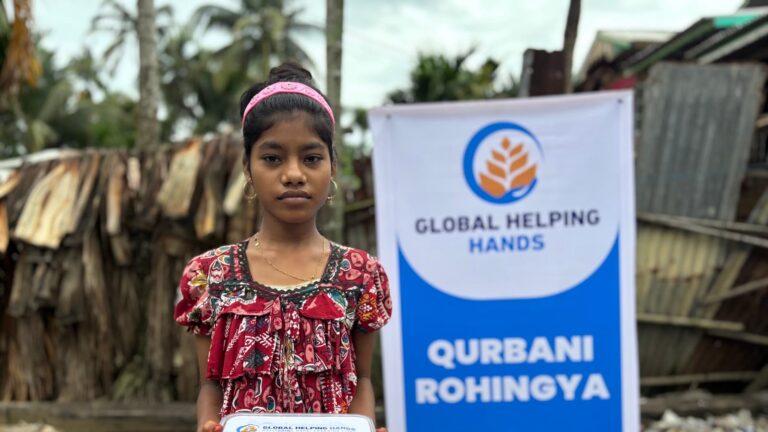 Rohingya Qurbani
£65 for a cow share given in the camps. Donate now