How to help children in poverty: start with what they lack
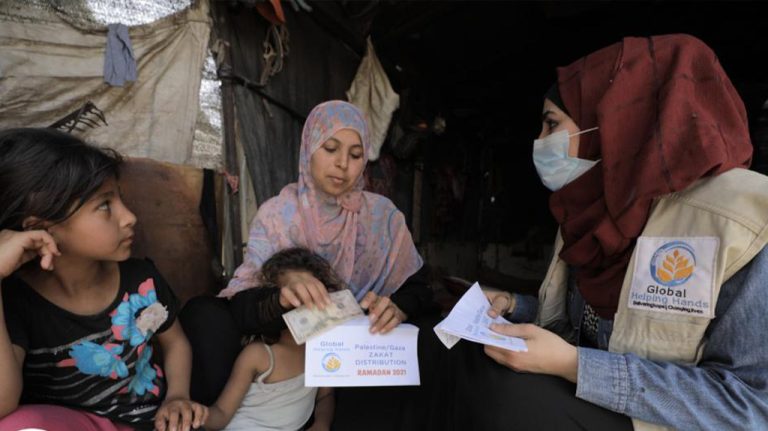
Adults in poverty go without. Children in poverty can be held back for life. A few months of poor food in early childhood, missed years of school or an untreated illness can shape what a child is able to do as an adult.
That is why the best way to help children in poverty is to look at the separate needs, not just the headline. Most children who struggle are missing several of these at once:
- Food: enough to eat every day, and the right milk for babies.
- Health: treatment when they are ill or injured.
- Schooling: fees, books and the basic kit to attend.
- Safety and care: an adult who looks after them, and protection from work or abuse.
- Joy: small things, like a new outfit on Eid, that tell a child they are not forgotten.
The rest of this guide takes each one in turn and shows where GHH's appeals fit. If you only have a little to give, choosing one need and meeting it well is still a real way to help children in poverty.
Food first: from baby milk to school meals
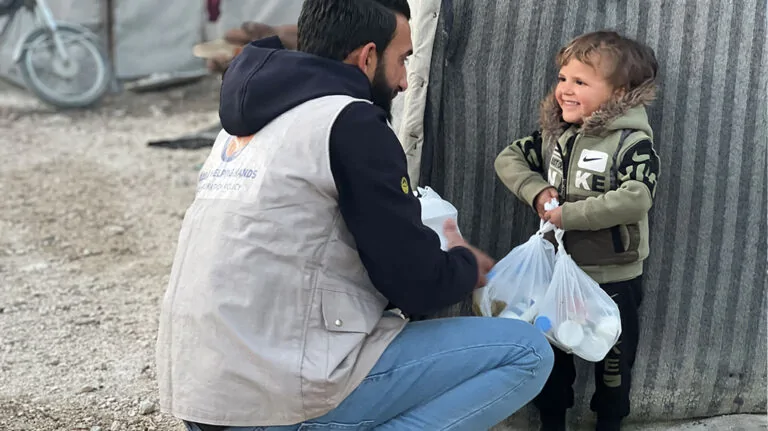
Hunger affects children fastest. In Palestine, many mothers cannot breastfeed because of severe stress, malnutrition or illness, which leaves babies fully dependent on formula. GHH's Urgent Palestine Baby Milk appeal sends boxes through trusted local partners: £12 buys one box and £120 buys ten.
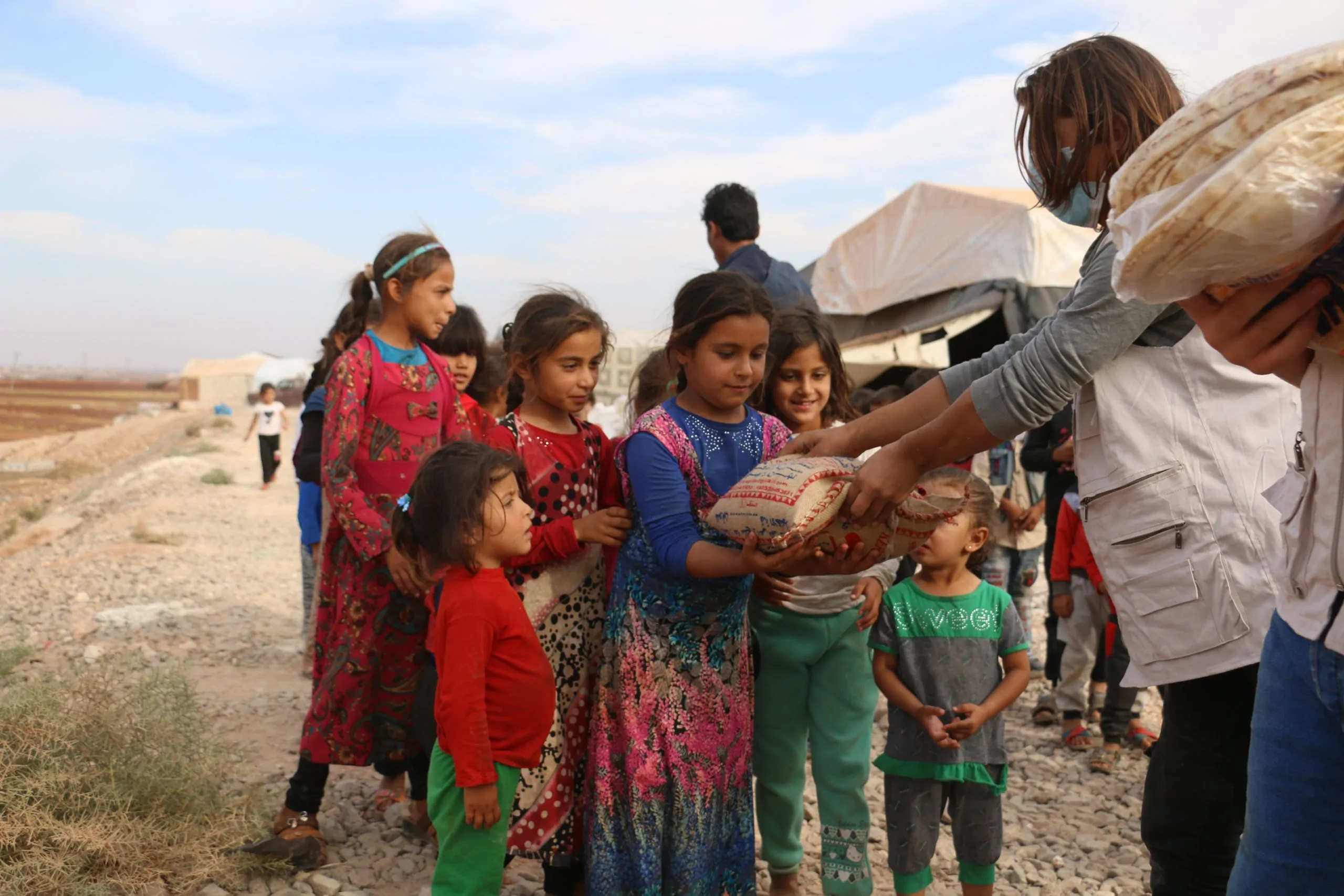
Older children need regular meals. In Sri Lanka, GHH serves freshly cooked hot meals to school children and families, and in Ramadan the team also hands out hot iftar meals. A filling meal at school is often what keeps a child coming back.
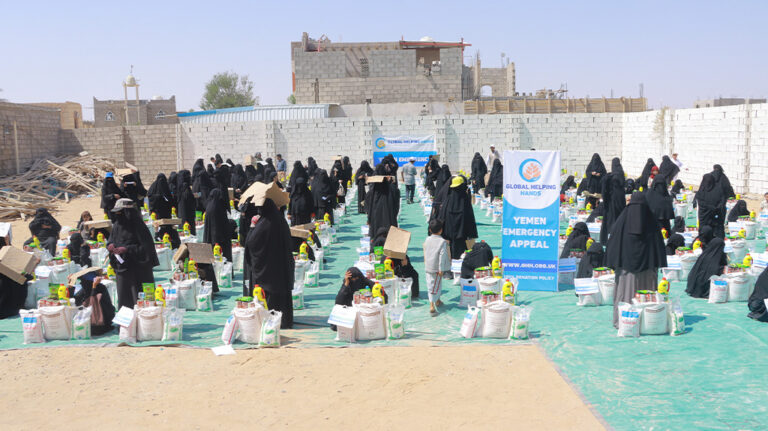
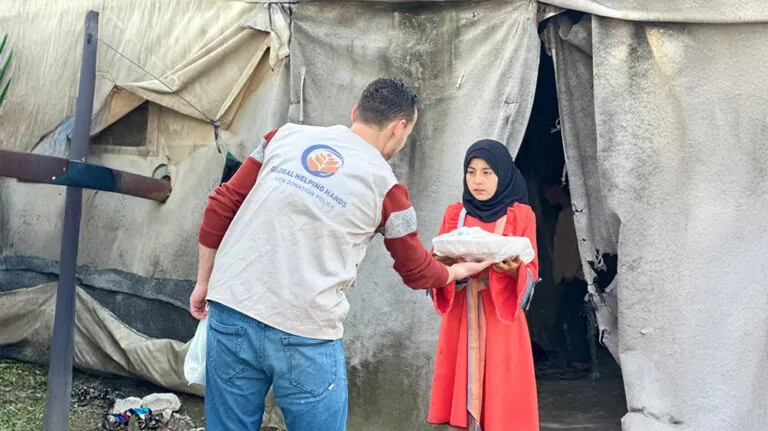
For the whole household, a £30 food parcel from the Food Fund feeds a family of five for three to four weeks. When parents are not choosing between food and other bills, children eat better too.
Health and school
Illness and injury can push a poor family into crisis. GHH's Medical Fund pays for medication, surgery and post-operative care for patients in Lebanon, Palestine and the Syrian refugee communities who cannot get treatment any other way. Children are among those it reaches.
School is the clearest route out of poverty, yet costs keep many children at home. GHH's Education appeal pays for orphans to go to school in Lebanon, Turkey and the Syrian refugee communities. In Sri Lanka, a £20 gift equips one child with a bag, exercise books and pens and pencils before term starts.
GHH's annual report for 2024 to 2025 records 9,468 children supported with school fees and learning materials, so that they could continue their studies without disruption.
Safety, care and a steady adult
The deepest kind of child poverty is losing the people who care for you. Orphan sponsorship is GHH's main answer to this. On the orphans page you can choose a named child, each with a verified family situation, and give a monthly gift that covers food, schooling and care.
Sponsors can write to their child, and letters are translated by GHH's team. Visits can be arranged with approval from the GHH office, the child and their guardian, and take place at the local GHH office rather than the child's home, in line with safeguarding policy.
GHH's annual report for the same year counts 6,618 children sponsored through orphan care, with monthly help all year round covering food, clothing and education.
Some children have no parent or close relative at all. In Arsal, Lebanon, the Home of Hope centre works with Syrian refugee children, many raised by relatives or unrelated guardians. It tackles problems such as missed schooling, lack of supervision and child labour, and offers lessons, hot meals, haircuts, clean clothes and washing facilities.
Small joys that matter
Children in poverty notice when they have nothing on a day when everyone else celebrates. GHH's Eid Gifts appeal gives orphans new clothes, a toy and food for a proper Eid meal. £15 gives a toy and sweet treats, £25 new clothes and a toy, and £50 a full Eid package, each hand-delivered by GHH teams.
Eid Gifts reach orphans in many of the places GHH works, including Palestine, Yemen, Pakistan, Uganda and the Rohingya and Syrian refugee communities. It is a small gift next to food or medicine. For a child, though, it can be the memory that makes the year feel normal.
To understand the wider picture of how poverty affects children worldwide, UNICEF's child poverty page sets out the evidence. Whichever need you choose to meet, the steadiest help is a regular gift that lets the same child count on support month after month.

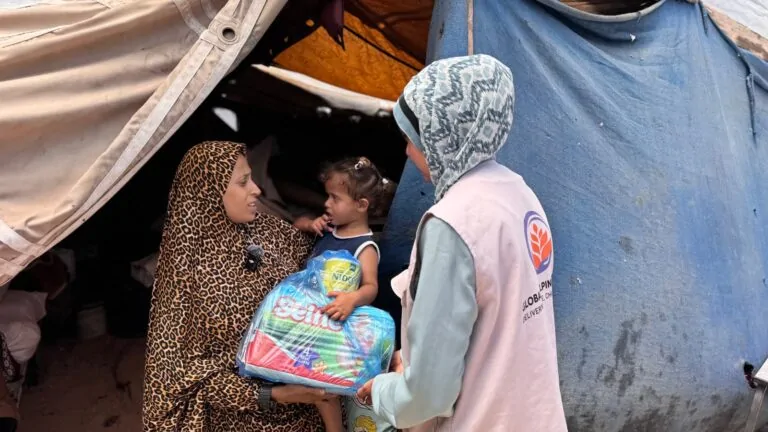 Baby Milk for Palestine
£12 buys a box of formula for an infant. Donate now
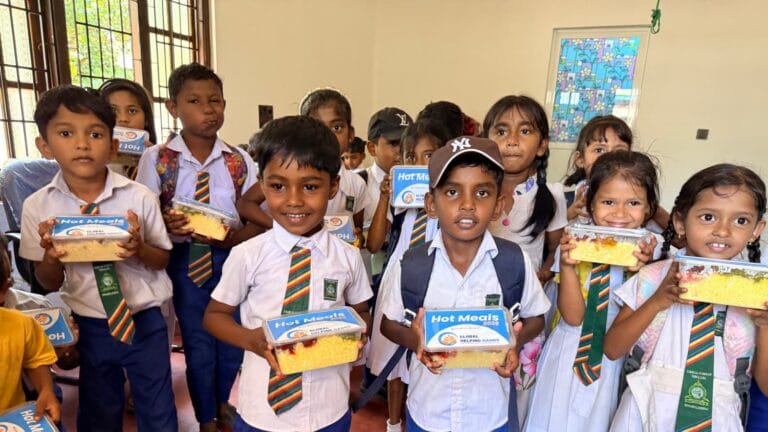 Sri Lanka Hot Meals
Freshly cooked meals for school children and their families. Donate now
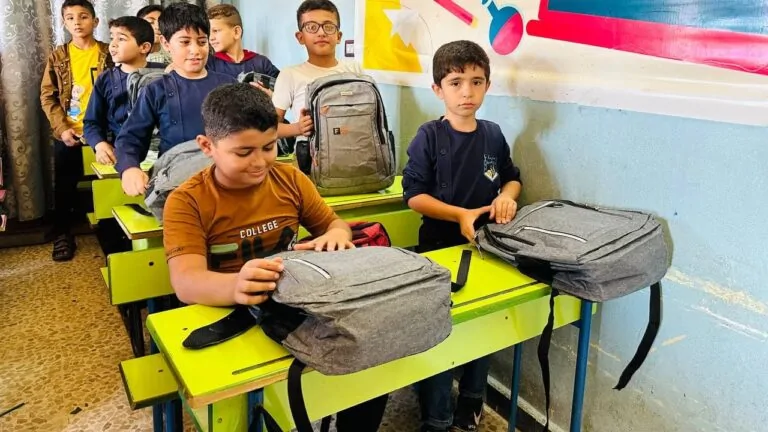 Education for Orphans
School for orphans in Lebanon, Turkey and Syrian refugee communities. Donate now
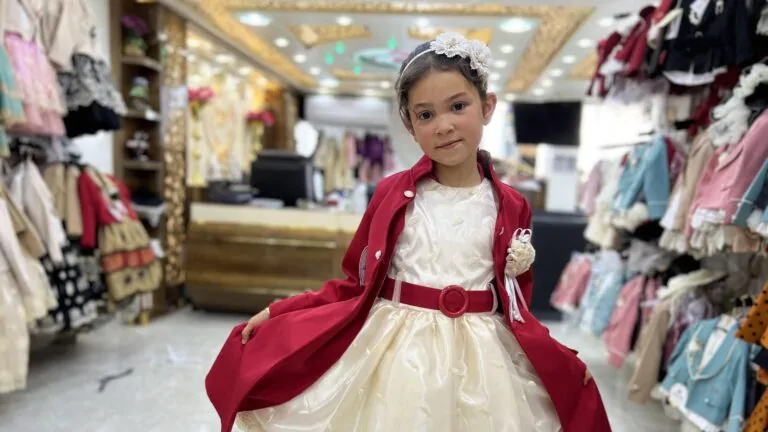 Eid Gifts
New clothes, a toy and an Eid meal from £15. Donate now