Where a medical aid donation to GHH goes
Health care was where Global Helping Hands began. In 2019 its founders volunteered in the medical camp at Moria refugee camp in Greece, and that experience led them to start the charity. Medical aid is still a core part of its work.
GHH's annual report for 2024 to 2025 records 22,666 people treated, with treatment, medication and diagnostics, emergency care and strict verification processes. That care comes through several different projects, each meeting a different gap.
The gaps are usually the same three: distance, cost and shortages. A clinic may be too far to reach, a family may be unable to pay for tests or medicine, or the specialist care a patient needs may simply not exist nearby. A good medical aid donation targets one of these directly.
Ongoing care: a medical centre and a hospital
The GHH Medical Centre: in a remote region, one small medical centre is the only source of emergency care for more than ten surrounding villages. The nearest hospital is 30 kilometres away, a journey many families cannot afford. The centre treats 60 to 70 emergency cases every day, for men, women and children, and has served the community for more than three years.
The Medical Centre appeal sets out what different gifts do:
- £20 helps treat a patient;
- £100 provides medical equipment;
- £500 supports upgrades to the emergency unit.
Life Care Welfare Hospital, Swat, Pakistan: through the Pakistan Medical Fund, GHH supports this hospital in Mingora, run by The Lifeline Organization. Your gift pays for doctor consultations, lab tests and medicines for families who cannot afford them, plus the staff and running costs that keep it open. The hospital reports back to GHH each month on patients seen, tests done and medicines given.
One-off treatment: camps, surgery and limbs
Palestine Medical Camp: a one-day camp where qualified doctors and nurses diagnose, treat and hand out free medicine to more than 200 people. £2,500 covers the whole camp, including staff, medicines, equipment and a full day of patient care. Many who come have no access to a clinic and have put off care for months.
Medical Fund: for serious cases such as major injuries and cancer, the fund pays for medication, surgery and aftercare for patients in Lebanon, Palestine and the Syrian refugee communities. These are the cases where a family faces a bill it could never meet, and where delay can cost a life or a limb.
Prosthetic limbs: the Palestine Prosthetic Limbs Appeal funds artificial limbs and the medical care around them for children and adults who have lost limbs. Because every injury is different, there is no fixed cost per case. Treatment may take place in Egypt or Palestine, depending on where specialist parts and facilities are available.
Women's health and emergency care
In Sri Lanka, GHH built a Women's Health Centre with its own water tank. Donations support the centre and the families who rely on it, and provide dignity kits and Box4Life packs so women and girls have the essentials to look after their health.
Medical help is also built into several emergency appeals. The Rohingya Emergency Appeal funds medical care for displaced families alongside food and shelter, and each £50 emergency pack funded through the Walk for Palestine includes blankets and medical aid.
Choosing the right medical aid donation
Each project suits a different kind of donor. These questions may help you decide:
- Do you want to keep a service running? The Medical Centre and the Pakistan Medical Fund pay for care that continues every day.
- Do you want a clear, complete result? £2,500 funds a whole medical camp for 200 or more people.
- Do you want to help one serious case? The Medical Fund and the prosthetic limbs appeal focus on individual patients with major needs.
- Is this your Zakat? GHH's Zakat guidance allows Zakat for the essential treatment of poor patients who cannot afford it, but not for building hospitals. The prosthetic limbs appeal is listed among GHH's Zakat projects.
You can follow results in different ways. The Pakistan hospital reports monthly, and the prosthetic limbs appeal shares video updates of treatment and outcomes on GHH's social media. The medical camp appeal includes short films from the field.
For the wider picture of why so many families cannot reach basic health care, see the World Health Organization's page on universal health coverage. GHH's part is smaller and more local: a clinic kept open, a camp held, a limb fitted, one patient at a time.

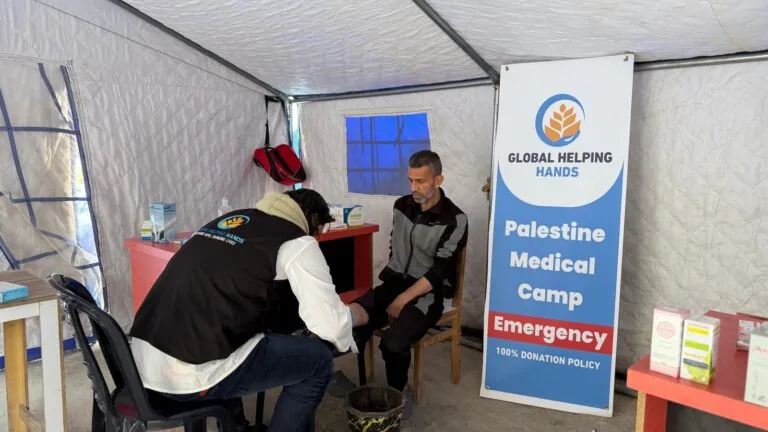 Palestine Medical Camp
£2,500 funds a day of free care for 200+. Donate now
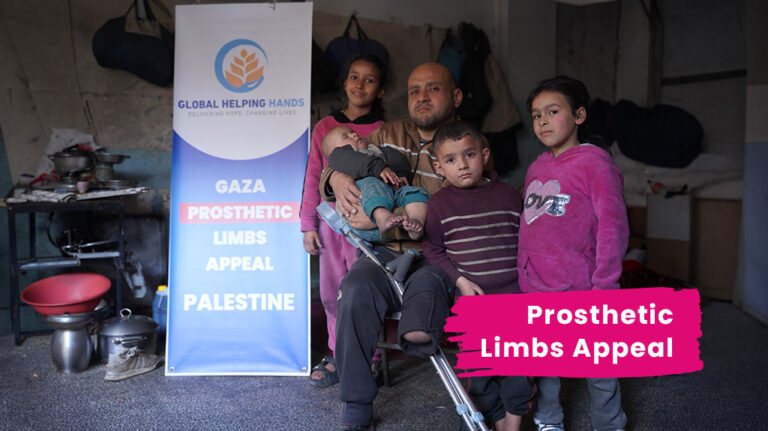 Prosthetic Limbs
Artificial limbs and treatment for amputees from Palestine. Donate now
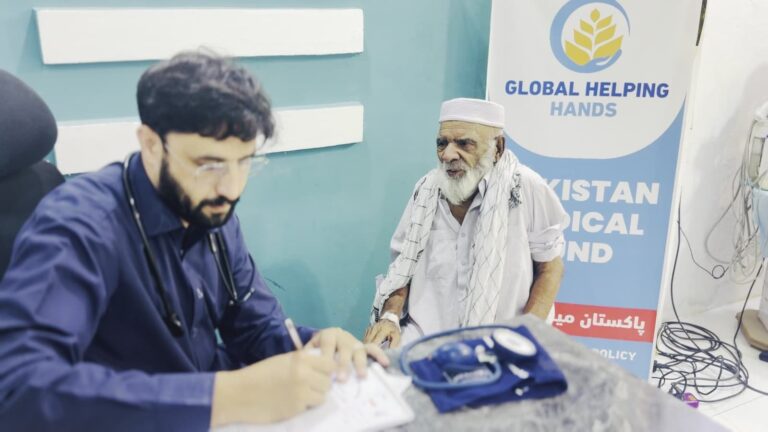 Pakistan Medical Fund
Doctor visits, tests and medicines at a hospital in Swat. Donate now
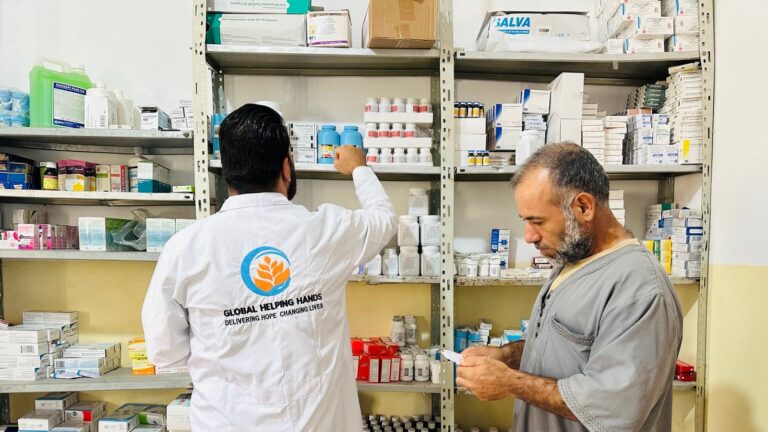 Medical Centre
£20 helps treat a patient at a remote clinic. Donate now