The Yemen humanitarian crisis in brief
Yemen, on the southern tip of the Arabian Peninsula, has been torn by conflict for years. The fighting has damaged homes, roads, water systems and hospitals, and driven many families from their towns.
GHH describes Yemen as facing one of the world's worst humanitarian crises, with millions of people struggling to survive because of conflict, hunger and a lack of medical care. On top of the fighting, the economy has collapsed, so many families who still have food in the markets cannot afford to buy it.
For Muslims, Yemen holds a special place. The Prophet ﷺ praised its people, saying they had come with the gentlest and softest of hearts, and that faith and wisdom are Yemeni (Sahih al-Bukhari and Sahih Muslim). Standing with them now is a way of honouring that bond.
For current figures and detailed reports, the UN Office for the Coordination of Humanitarian Affairs publishes regular updates on the country.
Three needs that shape daily life
- Water: where pipes and pumps no longer work, families depend on deliveries. Many have no safe source at home.
- Food: with prices out of reach, families cut back on meals, and children feel it first.
- Displacement: families who have fled their homes lose their income and support networks, and depend on aid to get by.
These needs feed into one another. Unsafe water causes illness, illness stops people working, and lost income means less food.
Yemen has also suffered serious outbreaks of cholera, a disease spread through dirty water. When hospitals are damaged and short of supplies, preventing illness through clean water becomes even more important than treating it.
How GHH responds in Yemen
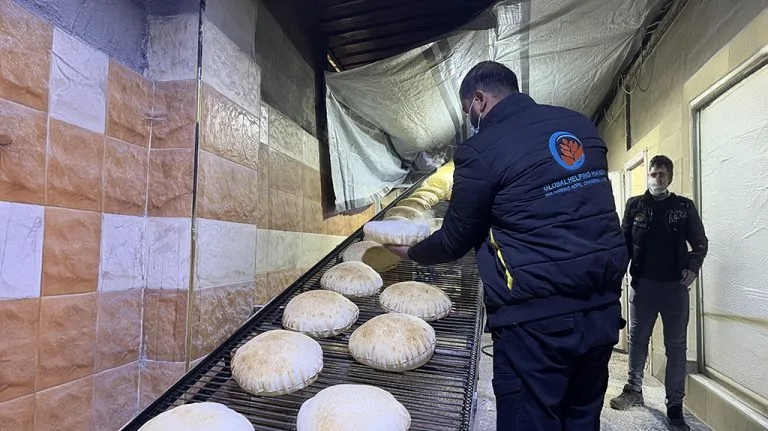
GHH's work in Yemen focuses on the basics. Its country page lists water tankers in Marib, fresh bread and food parcels for families facing hunger, alongside Qurbani at Eid. All of it is gathered on the Yemen page.
Water tankers
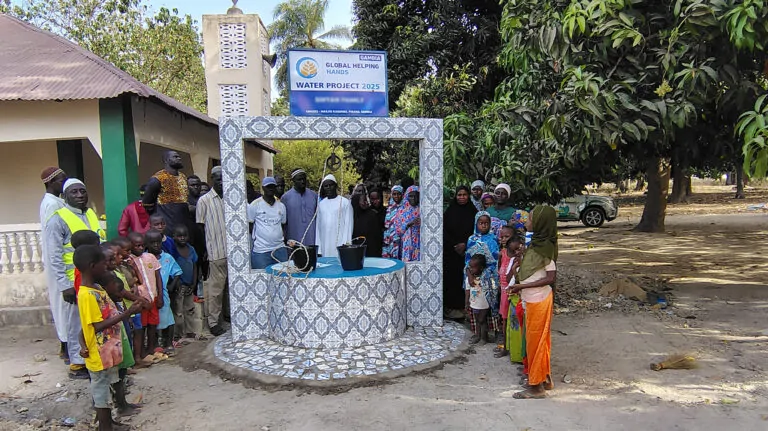
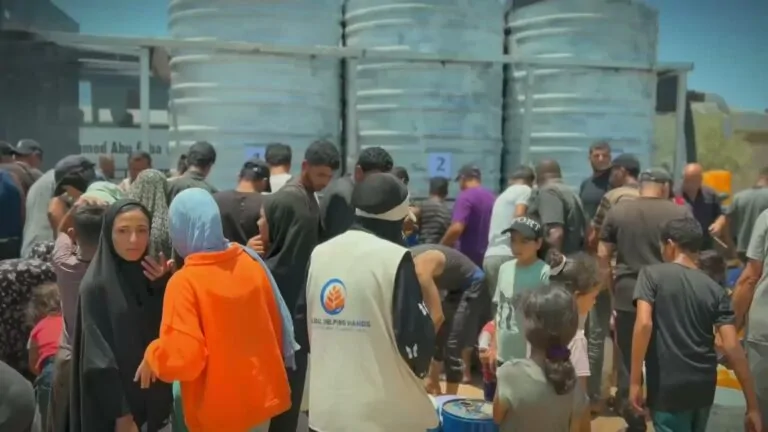
The Yemen Water Tanker appeal sends deliveries of clean water to families who would otherwise wait with empty containers. £300 funds one full tanker of around 20,000 litres.
That water is used for drinking, for cooking basic meals and for keeping clean, which lowers the risk of disease. A short film on the emergency appeal page shows tankers in Yemen.
Tankers are a stopgap rather than a permanent fix, but in a conflict zone they are often the quickest way to get safe water to people. A delivery does not have to wait for damaged pipes and pumps to be repaired.
Bread, food parcels and emergency relief
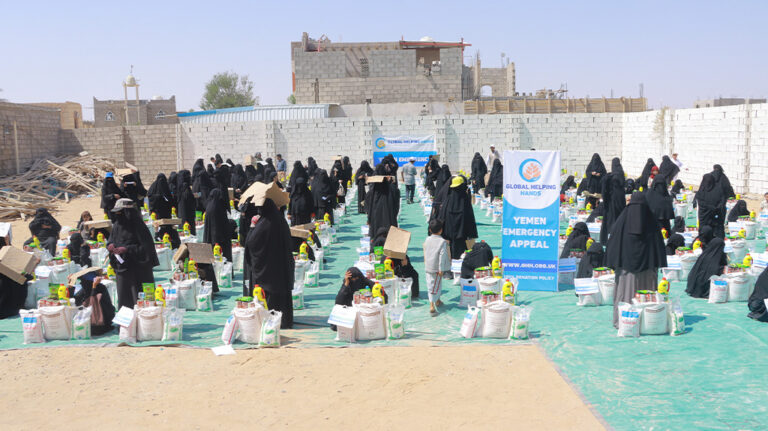
The Yemen Emergency Appeal lets you choose what to send, delivered by GHH's team on the ground to the most vulnerable communities:
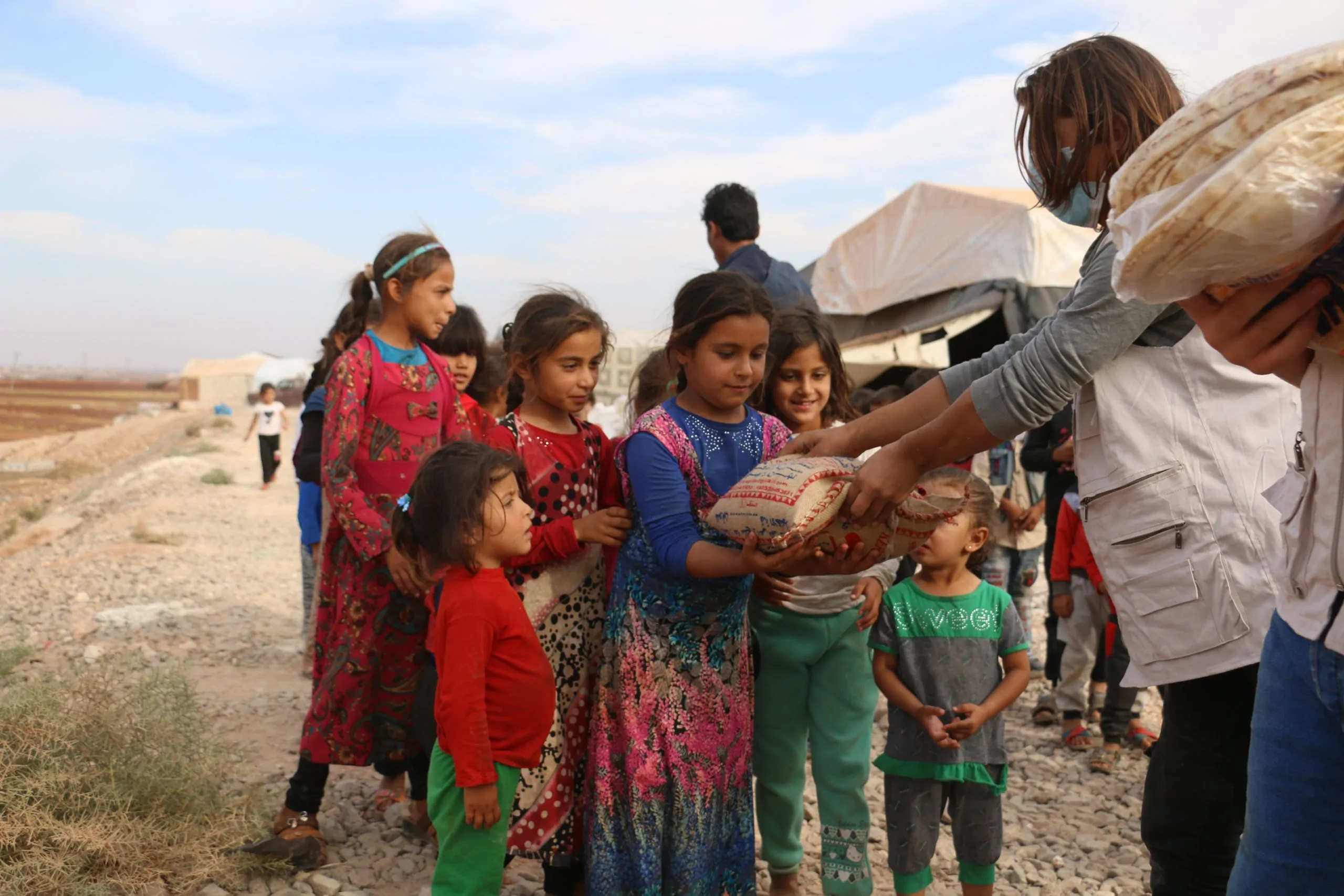
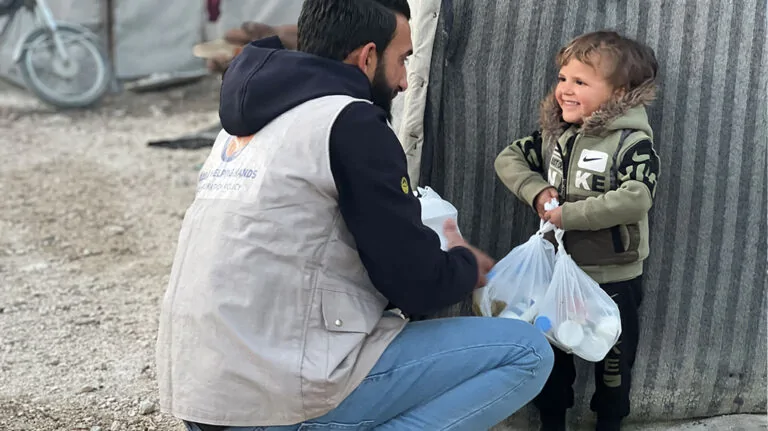
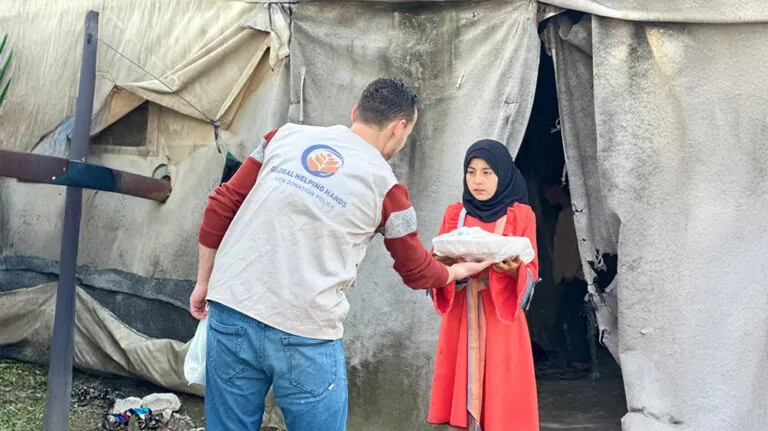
- Bread: £10 provides bread for a family.
- Food parcel: £30 provides a parcel for a family.
- General relief: any amount towards food, clean water and urgent aid for families facing hunger and displacement.
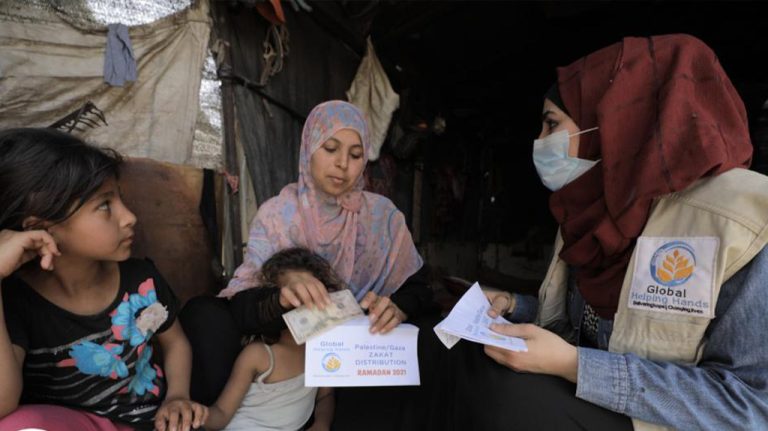
The people reached are the ones with the least to fall back on: widows raising children alone, orphans, and families who have been displaced and lost their income. GHH's appeal pages describe aid going to the most vulnerable communities first.
Yemen also has its own food parcel appeal. £30 gives a family of five rice, lentils, flour, cooking oil and other essentials to last three to four weeks.
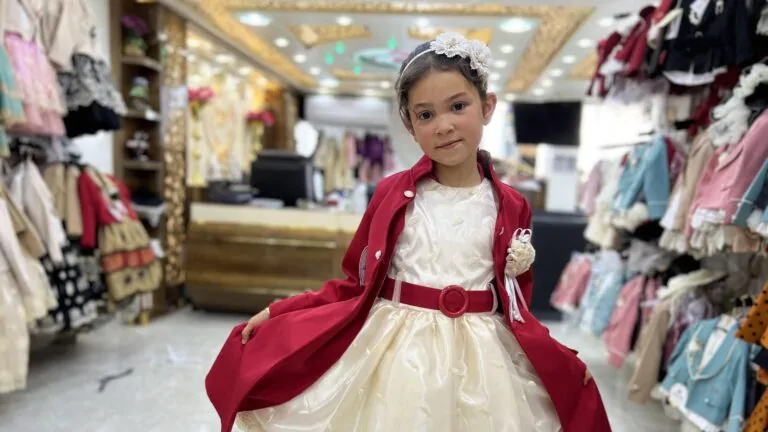
Qurbani: GHH carries out Qurbani inside Yemen, according to Islamic guidelines. £100 provides a goat or sheep, and the meat is shared with widows, orphans and displaced families in conflict areas. Eid Gifts: orphans in Yemen are among those who receive new clothes, a toy and food for Eid.
Which should you choose? A short guide:
- For the biggest single impact on health: a £300 water tanker.
- To feed one family for most of a month: a £30 food parcel.
- For a small, quick gift: £10 of bread for a family.
- At Eid al-Adha: your Qurbani, carried out in Yemen.
If you want your giving to reach Yemen without choosing a single project, the general emergency appeal is the most flexible option. GHH's Daily Giving is also shown on its Yemen page for donors who prefer to give a little every day.
The Yemen humanitarian crisis rarely leads the news, which makes steady support all the more important. Appeals that fade from view are the ones most likely to run short just when families need them. Every tanker, loaf and parcel is covered by GHH's 100% donation policy, so the full amount you give goes to the work in Yemen.