From tent to home: GHH's homes for displaced families
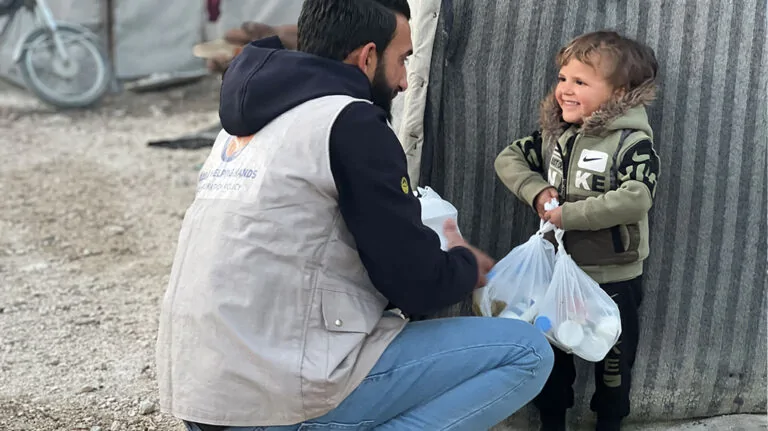
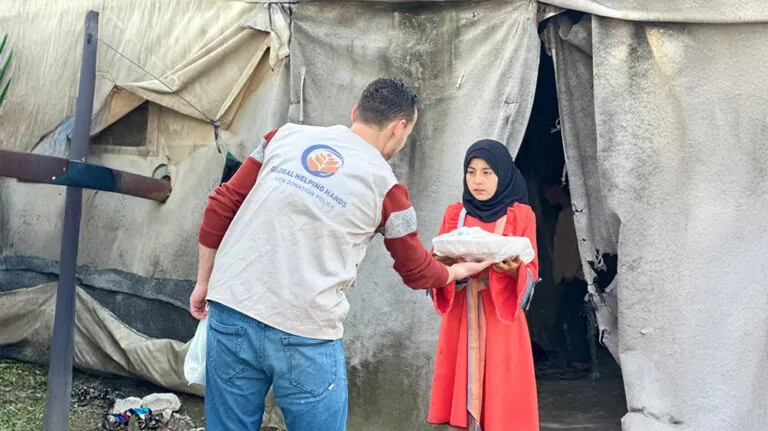
Many Syrian families have now lived away from their homes for years. Tents and makeshift shelters were meant to be temporary, but for a large number of families they became the only home their children have known.
GHH's answer is to build permanent homes grouped into small villages. The Refugees Homes appeal is now raising for the Village of Hope, where 50 new homes are planned. It follows three villages GHH has already completed: the Colourful Village, the Widows Village and Halas Village.
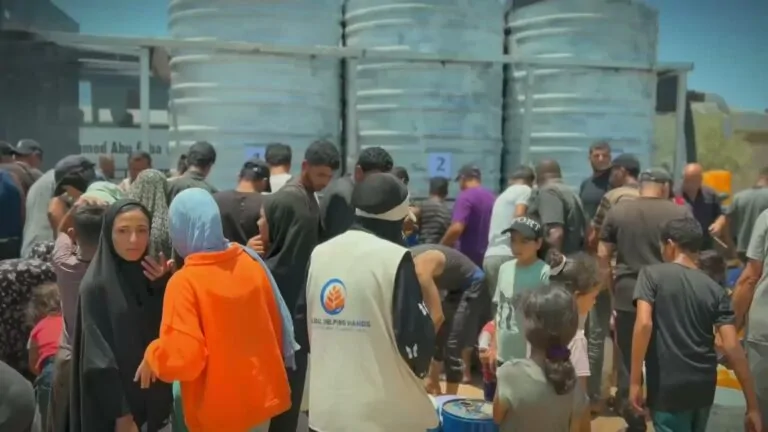
GHH describes this work as building permanent homes that restore stability for displaced families. Donations fund shelter materials, access to clean water and decent living conditions, tracked from the start of a build to its completion.
Why a permanent home changes so much
It is worth comparing the two. A tent can be bought and put up quickly, but it wears out within seasons and offers little against heat, cold or water; a built home lasts.
A home is more than a roof. For a displaced family, moving from a tent into solid walls changes daily life in ways that are easy to overlook:
- Safety: a door that locks and walls that do not blow down in a storm.
- Health: protection from flooding, mud and freezing nights.
- Stability: children can settle into school instead of moving from camp to camp.
- Dignity: privacy for families, and especially for widows raising children alone, as the name of the Widows Village suggests.
Grouping homes into villages also matters. Neighbours who share the same story can support one another, and services such as water can be planned for the whole site rather than house by house.
GHH's annual report for 2024 to 2025 records more than 150 homes constructed and 900 people sheltered. It describes the aim as long-term security and protection for displaced and disaster-affected families.
Shelter while homes are being built
A permanent home takes time and money. In the meantime, families need help to get through the conditions they are living in now.
Winter: through the Winter Emergency appeal, families living under canvas or in damaged buildings receive heaters, firewood, warm jackets, food packs and hygiene kits. The appeal names Palestine, Lebanon, Pakistan and the Syrian camps.
It also provides emergency shelter where the need is greatest. Heavy rain has recently flooded tent camps in Palestine, with families bailing water out by hand.
Conflict: the Rohingya Emergency Appeal funds food and safe shelter for displaced Rohingya families, along with medical care and cash help.
Floods: GHH's flood appeals in Bangladesh and Pakistan support families left without homes, food and basic necessities. In Bangladesh, GHH's team on the ground has been delivering hot meals and essential aid. In Sri Lanka, a crisis appeal is responding to flooding and landslides caused by Cyclone Ditwah.
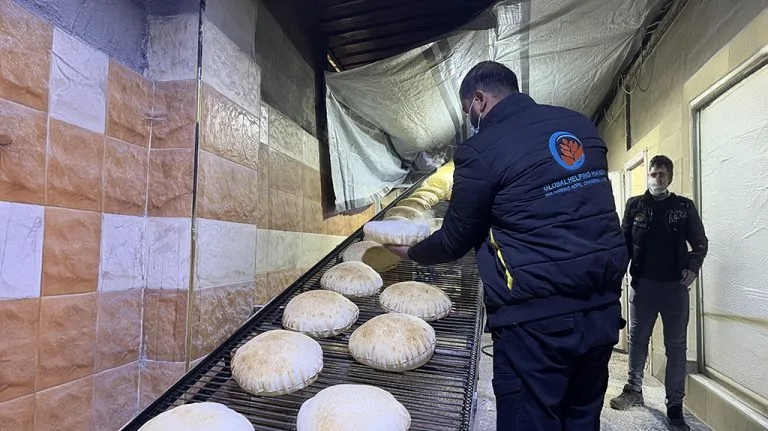
Earthquakes: after the earthquakes in Turkey and Morocco, GHH's appeals sent food parcels, clean water and bread to affected families. These are the first days of recovery, before anyone can think about rebuilding.
What Home of Hope is, and is not
The name sometimes causes confusion. Home of Hope in Arsal, Lebanon, is not housing. It is a respite and learning centre for Syrian refugee children, many of them unaccompanied or raised by relatives or guardians.
The centre gives these children a safe place during the day, with lessons, Qur'an classes, hot meals and washing facilities. It complements family housing rather than replacing it. Its page reports 231 students a week, including 96 orphans and 10 children with disabilities.
Arsal itself shows why housing matters: GHH's page describes around 60,000 Syrian refugees living there in makeshift tented settlements.
An honest note on homelessness in the UK
GHH's housing work is overseas, for people displaced by war and disaster. GHH does not run a homelessness service, shelter or housing project in the UK.
If you or someone you know is homeless or at risk of losing a home in England, start with the government's guidance on what to do if you are homeless. Your local council has a legal duty to help many people in that situation.
There are also many UK charities that specialise in homelessness here, and you can check any of them on the Charity Commission's online register before you give.
If your aim is to help families abroad who have lost everything, the Refugees Homes appeal is where GHH builds homes for displaced families. Your Zakat can be used for it, and every pound goes to the project under GHH's 100% donation policy.

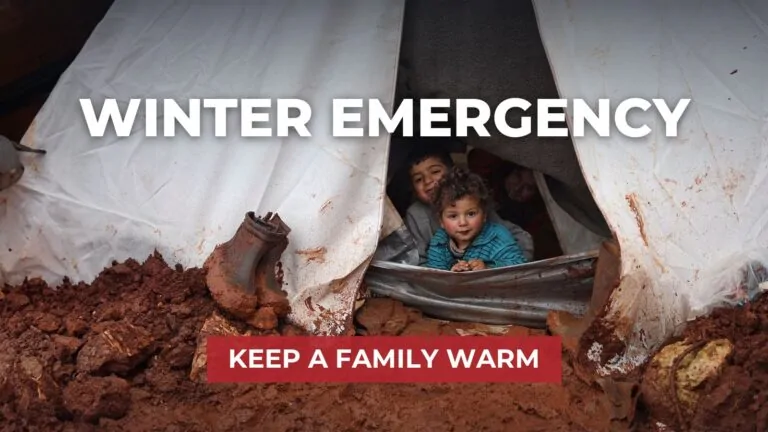 Winter Emergency
Heaters, firewood and jackets for families in tents. Donate now
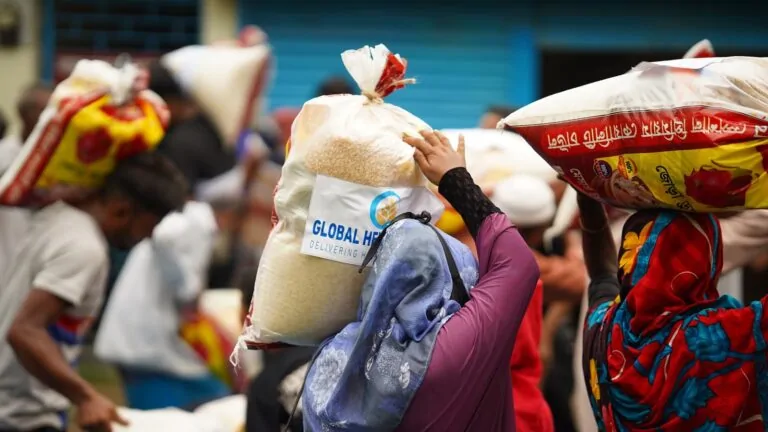 Rohingya Emergency Appeal
Food, safe shelter and medical care for displaced Rohingya. Donate now
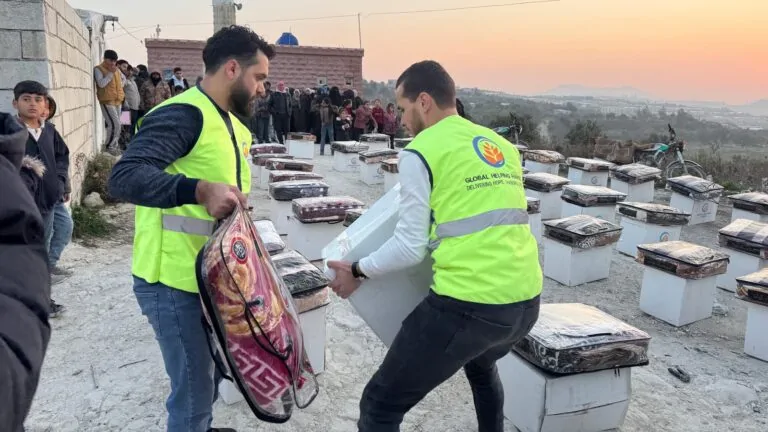 Syrian Refugees Emergency
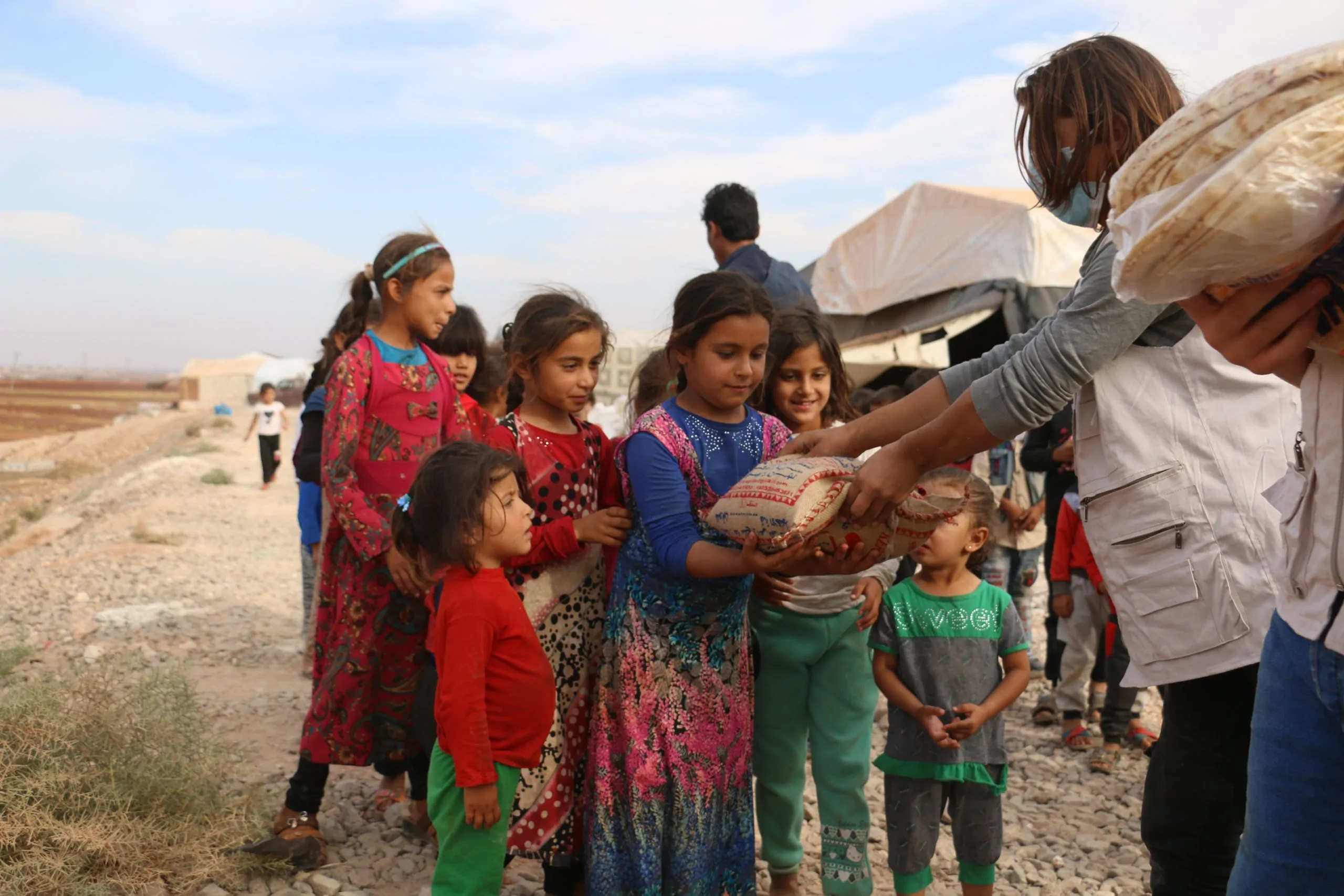
Food, water and relief for families in the camps. Donate now
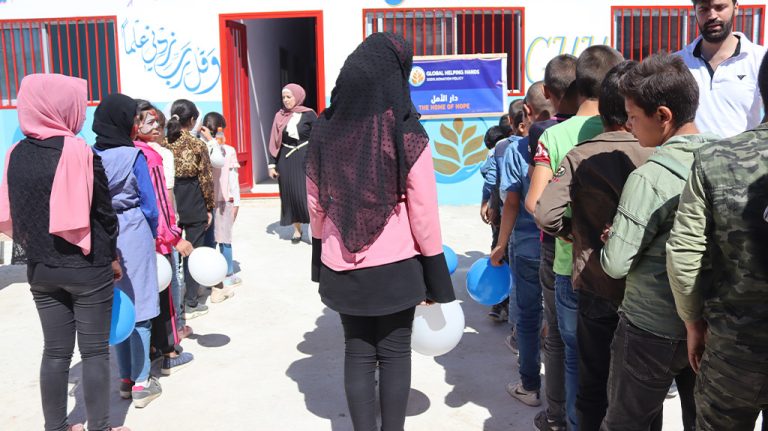 Home of Hope
A safe day centre for refugee children in Arsal. Donate now