What humanitarian aid means
In the aid world, the term means assistance given to people affected by conflict, disaster or extreme poverty, to save lives, ease suffering and protect human dignity. It is usually guided by four principles: humanity, neutrality, impartiality and independence. In plain terms, help goes to people because they need it, not because of who they are or which side they are on.
For Muslims, this work has deep roots. The Qur'an says that whoever saves one life, it is as if they had saved all of mankind (5:32). Feeding the hungry, giving water, caring for orphans and relieving hardship are urged again and again in the Qur'an and Sunnah, through both Zakat and voluntary Sadaqah.
The UN's Office for the Coordination of Humanitarian Affairs brings responders together in major crises. Charities of every size, from global agencies to small UK groups, work within that wider effort.
The six sectors of relief work
Aid workers usually group the work into sectors. Here is what each covers, and where GHH's programmes fit.
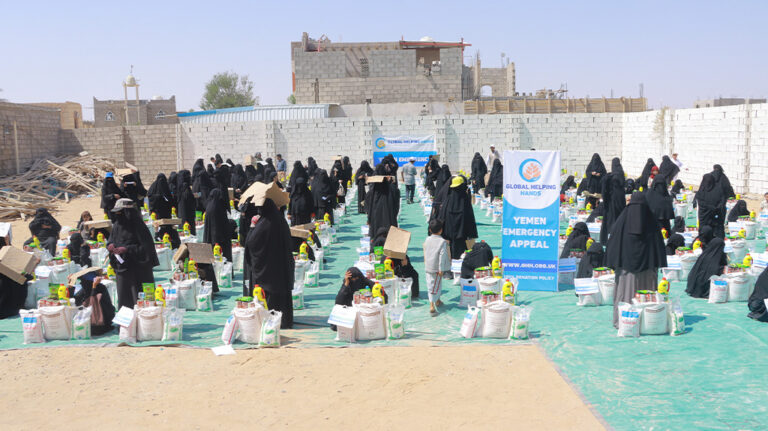
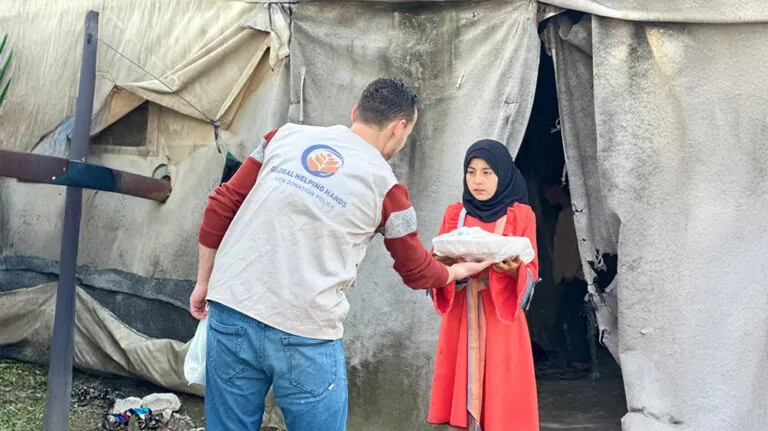
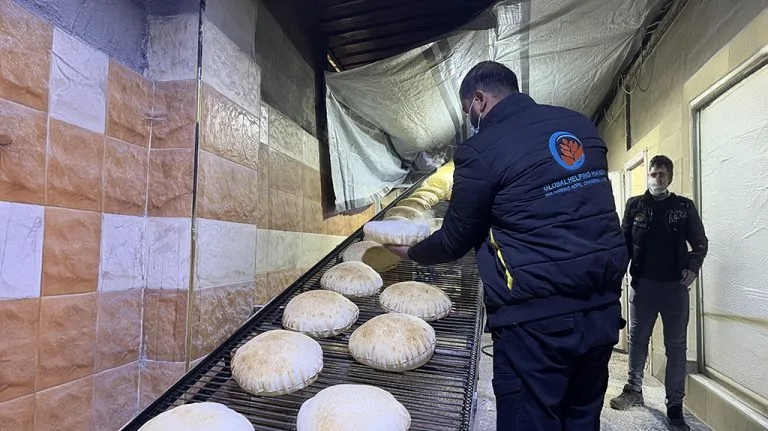
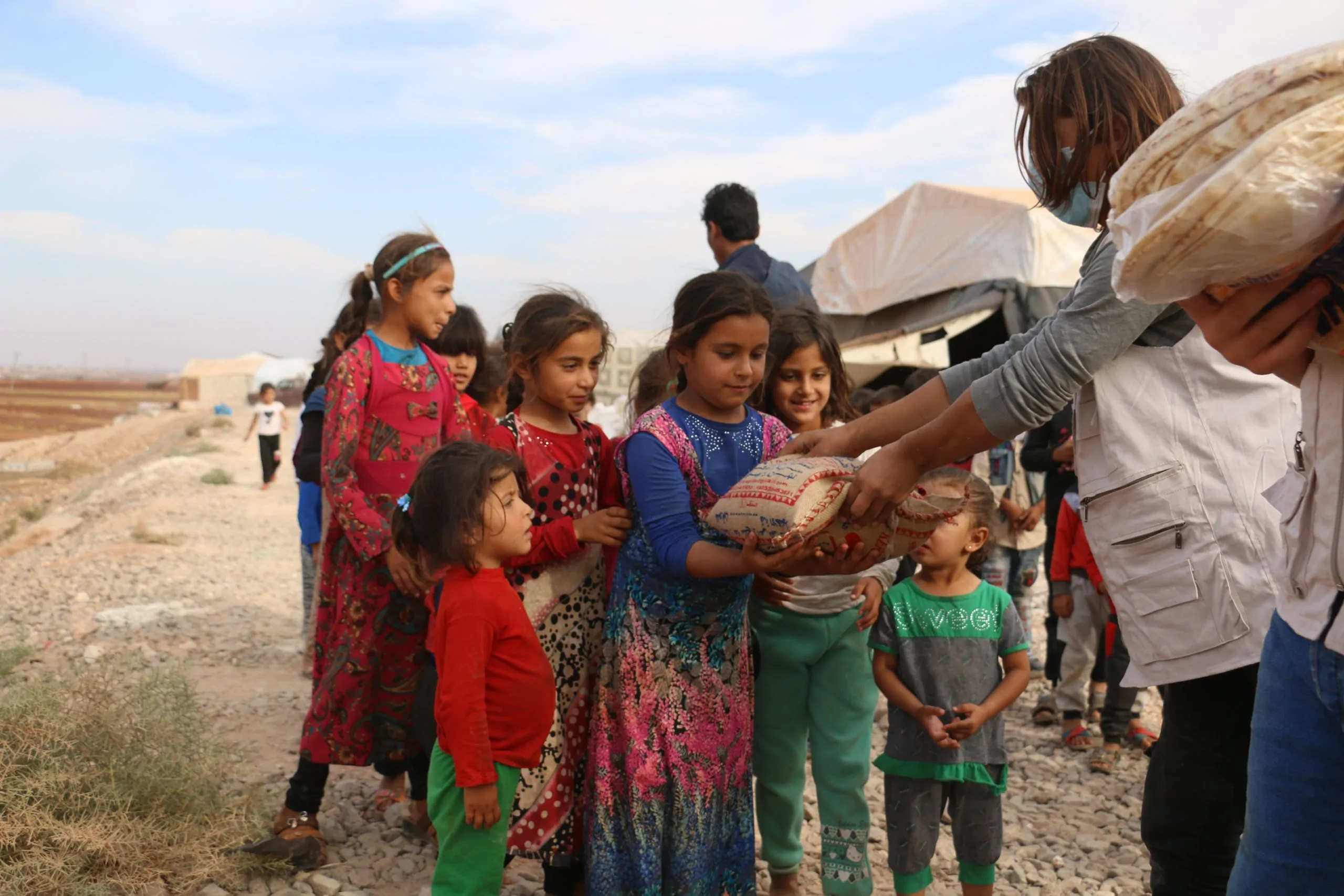
- Food. Emergency rations, hot meals and longer-term food support. GHH runs food parcels across many countries, fresh bread through its Bread for Life project, and hot meals in Palestine and Sri Lanka.
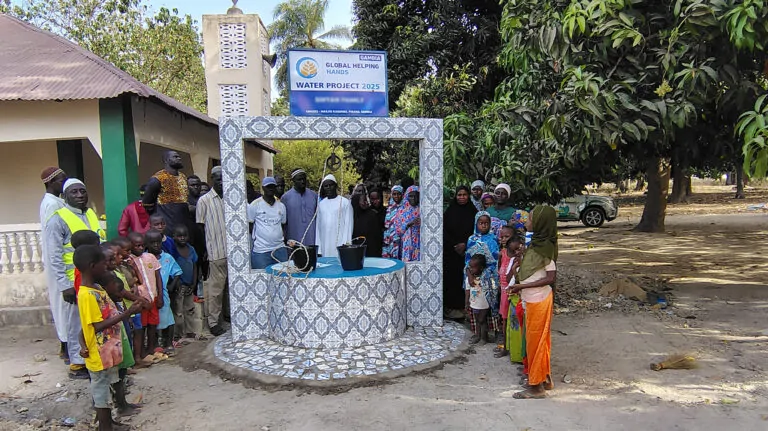
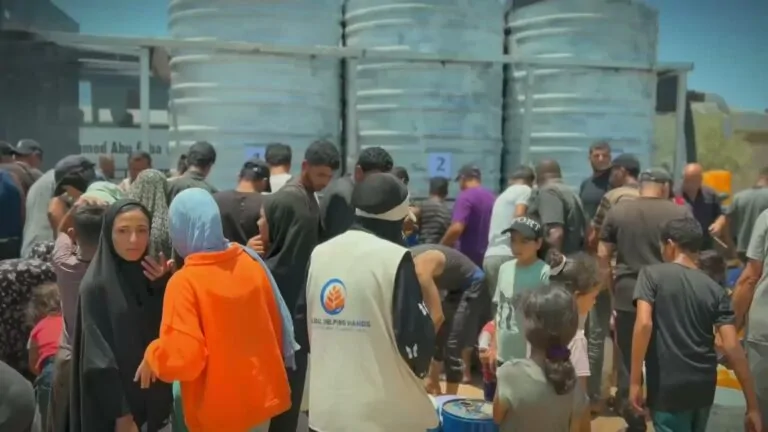
- Water and sanitation. Safe water, toilets and hygiene. GHH funds hand pumps, deep and solar wells, and tanker deliveries where there is no source to drill.
- Health. Treatment, medicines and specialist care. GHH's Pakistan Medical Fund pays for doctor visits, lab tests and medicines at the Life Care Welfare Hospital in Swat. There is also a free medical camp and prosthetic limbs in Palestine, a medical centre for Syrian refugees, and a Women's Health Centre in Sri Lanka giving dignity kits and Box4Life packs.
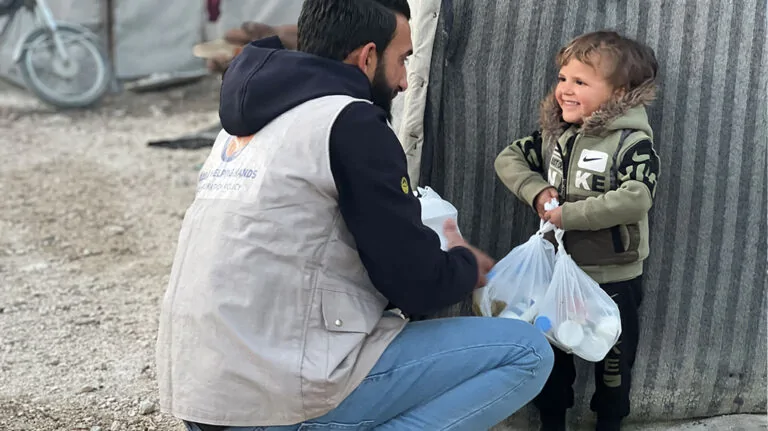
- Shelter. Tents, winter kits and, later, permanent homes. GHH builds homes for Syrian refugee families and sends heaters, firewood and jackets each winter.
- Education and protection. Keeping children learning and safe. Home of Hope in Arsal, Lebanon, gives at-risk children lessons and care, and £20 equips a child in Sri Lanka with a school bag, books and stationery.
- Livelihoods. Helping families earn again, through sewing machines, rickshaw loaders, goat farming and tree planting.
Humanitarian aid and development: not the same thing
Relief work is about the emergency and its immediate aftermath. Development is about long-term change: an economy, a school system, a health service. In practice the two overlap, because a crisis that lasts years needs both.
GHH works across that line. Its emergency appeals provide food, water and medical care when disaster strikes.
Its sustainable projects aim to stop families needing aid at all. For £6, a farmer in Uganda or Gambia gets a fruit tree that can feed the family and earn an income; a goat-farming business in Chad helps a household raise its own income.
Wells and masjids sit in between. They are built quickly, but they serve communities for many years after the crisis has passed. Good aid plans for that handover from the start.
What a year of this work looks like
GHH's annual impact report for April 2024 to March 2025 gives a sense of the spread across sectors. Alongside food, water and medical care, it records:
- 900 people sheltered, with more than 150 homes built for displaced and disaster-affected families.
- 9,468 children kept in education, with fees paid and materials provided.
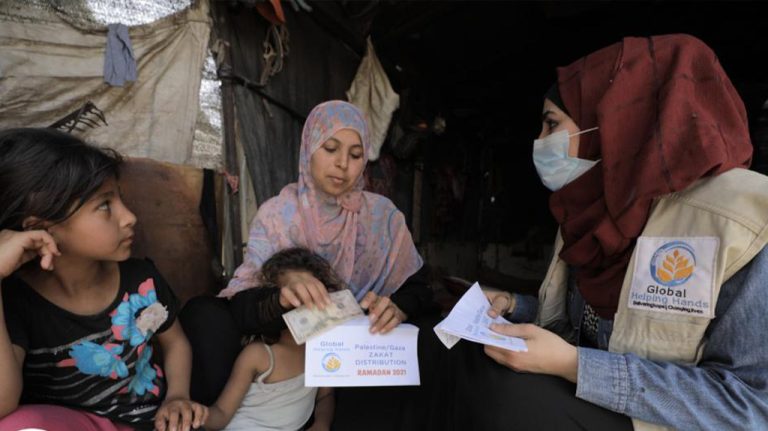
- 80,878 people supported through Zakat, following Islamic eligibility criteria.
- 38,600 people helped during Ramadan with food parcels and hot meals.
The report also explains how delivery works: projects run through trusted partners and GHH's own field teams, with compliance checks in place. For Qurbani, it notes accurate weight calculations and fair portions, and for Zakat, that restricted funds are never mixed.
Those numbers show something often missed. Humanitarian work is not only dramatic emergency response; much of it is steady, unglamorous support that keeps families going year after year.
Where GHH delivers it
GHH works with communities across the Middle East, South Asia, Africa and Europe, as well as Syrian, Rohingya and Uyghur refugees. The donate by country page shows what happens in each place, from Qurbani in Malawi and Tanzania to Aqiqah in Chad and winter firewood in Bosnia.
If you are unsure where to give, a general fund such as the Food Fund or Sadaqah lets the charity direct your gift to the greatest need. If you have a particular country or cause at heart, choose its appeal. Either way, every kind of humanitarian aid starts with the same thing: someone deciding to help.

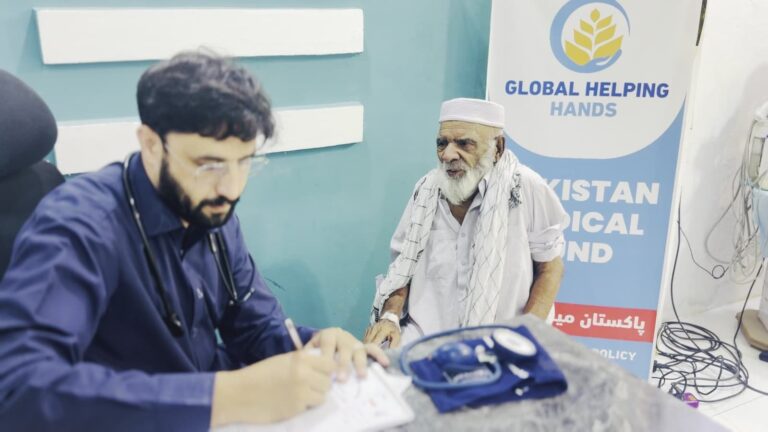 Pakistan Medical Fund
Doctor visits, tests and medicines at a hospital in Swat. Donate now
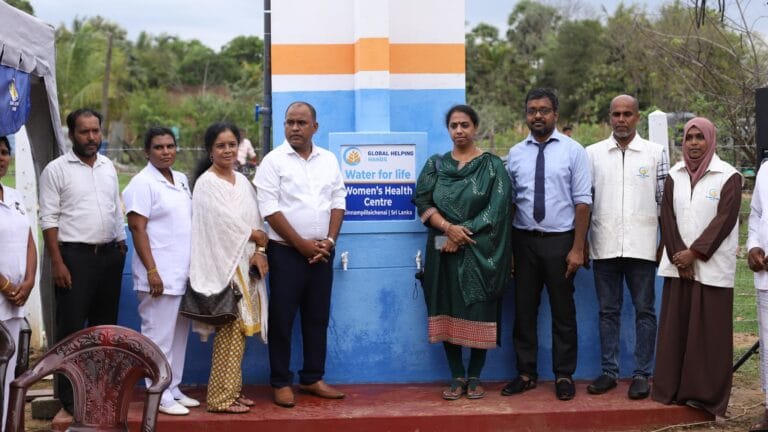 Women's Health Centre
Dignity kits and Box4Life packs for women in Sri Lanka. Donate now
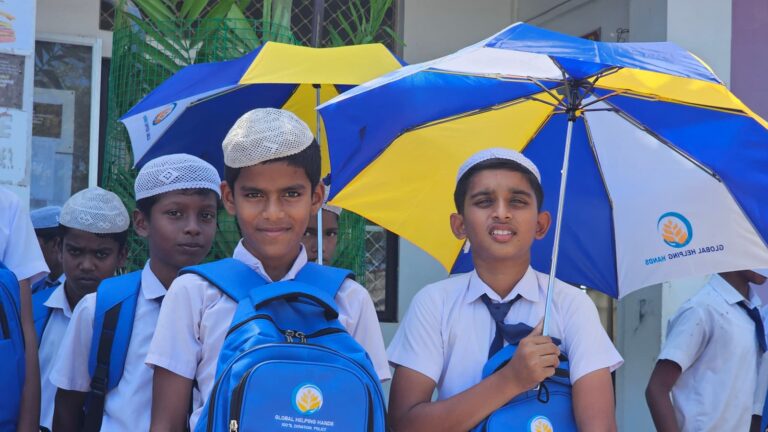 Back to school
£20 gives a Sri Lankan child a bag, books and stationery. Donate now
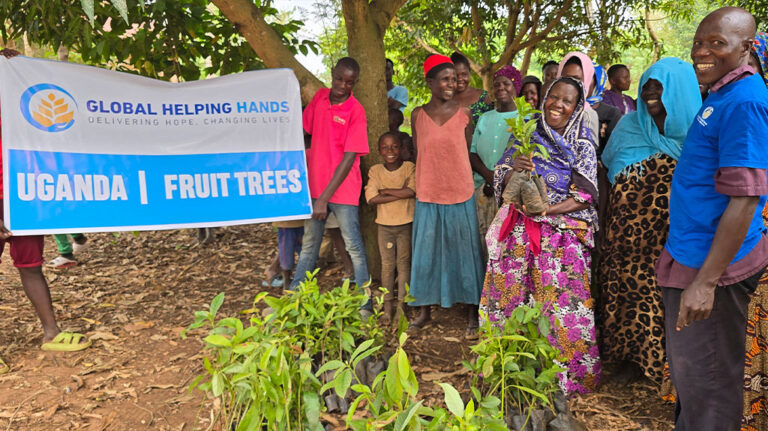 Fruit trees
£6 tree giving food and income to farmers in Africa. Donate now