Who counts as poor when you pay Zakat for the poor
The Qur'an lists the people Zakat may go to in Surah at-Tawbah, verse 60. The list opens with two groups: the fuqara (the poor) and the masakin (the needy).
GHH's Zakat guidance describes the difference like this:
- Faqir, the poor: a person without any means, or with so little that they cannot meet their basic needs.
- Miskin, the needy: a person who has some means, such as a small income, but not enough to cover what they and their family need.
Scholars word the distinction differently, and some reverse the two terms, but they agree on what matters in practice. Both are people who cannot meet their basic needs and those of their family. What decides it is whether they have enough to live on, not whether they own the nisab.
That shared definition is what keeps Zakat honest. It is not a reward for being pious or a gift to people we like; it is a right owed to whoever falls below the line, wherever they live.
Who you cannot pay Zakat to
Being poor is necessary, but there are other conditions. GHH's guidance sets out several limits:
- Your own dependants: you cannot give Zakat to your parents, grandparents, children or grandchildren, and a husband cannot give it to his wife, because supporting them is already your duty. A wife may give her Zakat to her husband if he is poor.
- Orphans who are not poor: being an orphan does not on its own make a child eligible. The child must also be poor or needy, and Zakat is given to their guardian for their care.
- Buildings and institutions: Zakat cannot build a masjid, a school or a clinic, or pay general running costs. Those are funded through Sadaqah or Sadaqah Jariyah.
- People who already have enough: someone whose income or savings cover their own and their family's needs is not eligible, even if they are going through a hard month.
Relatives outside your direct duty, such as a struggling sister, uncle or cousin, can receive your Zakat if they qualify. Giving to eligible family is encouraged, since it also strengthens family ties.
How GHH gets Zakat to the poor and needy
The Prophet ﷺ described Zakat as wealth taken from the rich of a community and returned to its poor (Sahih al-Bukhari and Sahih Muslim). A charity acting for you has to make that transfer faithfully, to the right people, without skimming any for itself.
GHH's approach has four parts:
- Eligibility first: Zakat goes only to people who meet the Islamic criteria. Each case, such as an orphan's family, is assessed rather than assumed.
- Kept apart: Zakat is a restricted fund and is never mixed with Sadaqah, general donations or interest money.
- No admin taken: under the 100% donation policy, no Zakat is used for running costs, which are met from Gift Aid and specific admin donations.
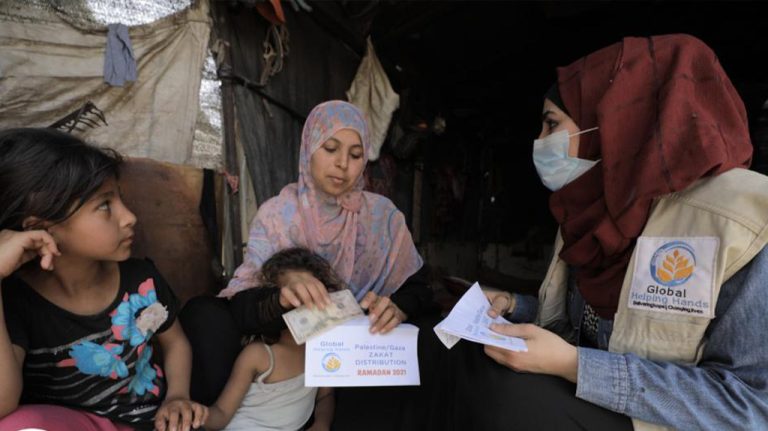
- Ownership: Zakat is given into the hands of eligible people as cash or essential support, so it becomes theirs.
GHH's annual report for 2024 to 2025 records 80,878 people supported through Zakat distribution. The aim, in the words of GHH's Zakat page, is that families who receive Zakat today may one day be able to give it rather than receive it.
Where your Zakat goes
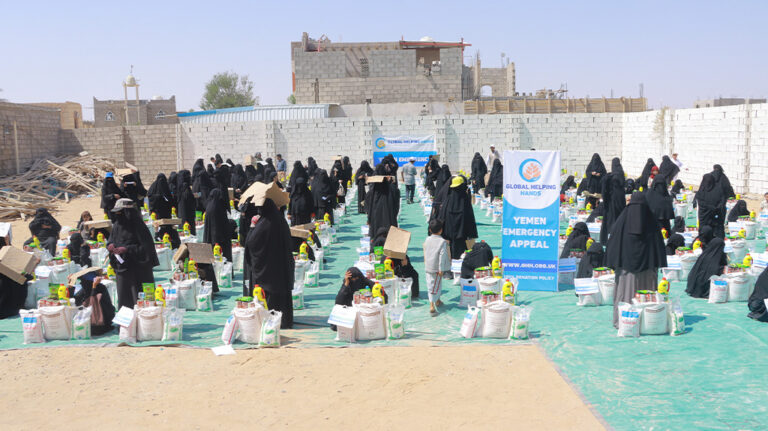
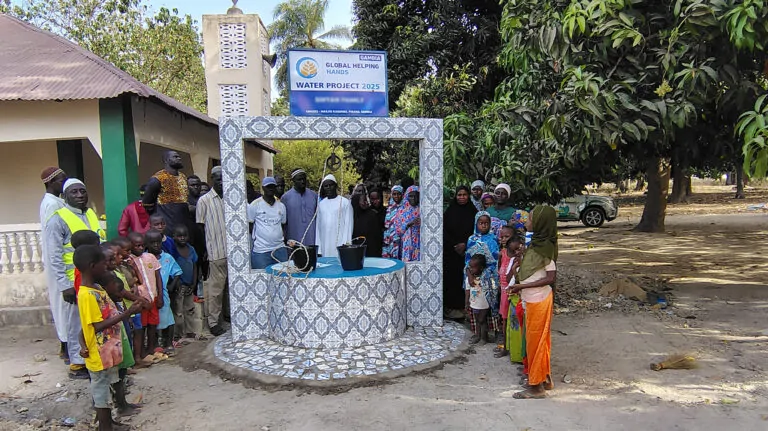
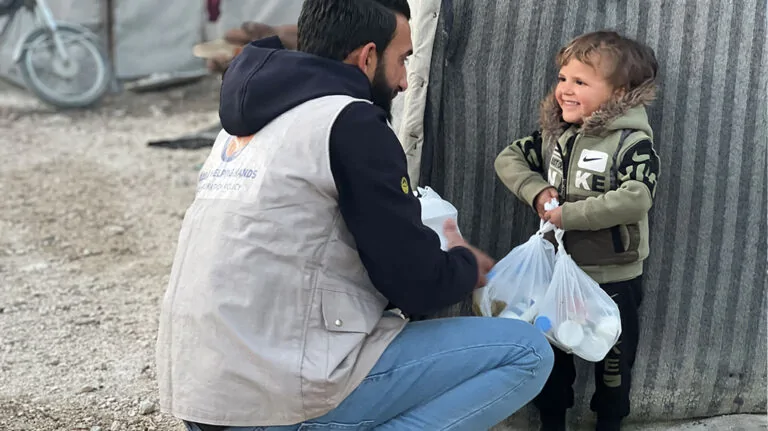
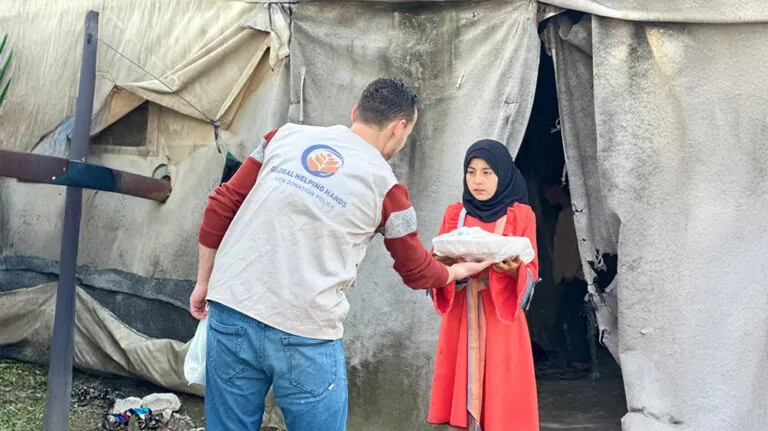
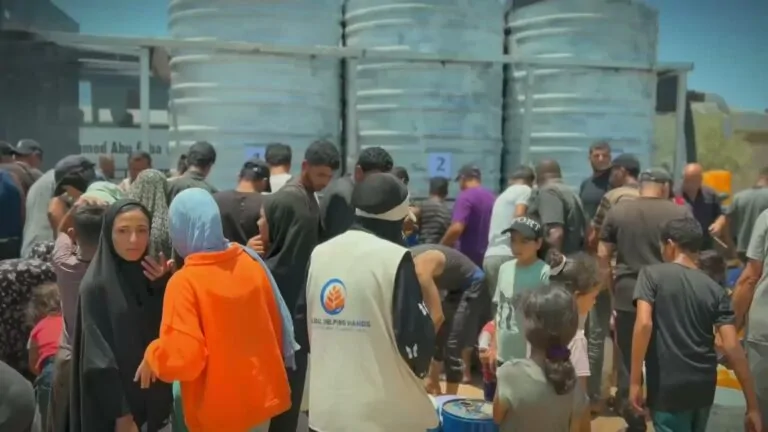
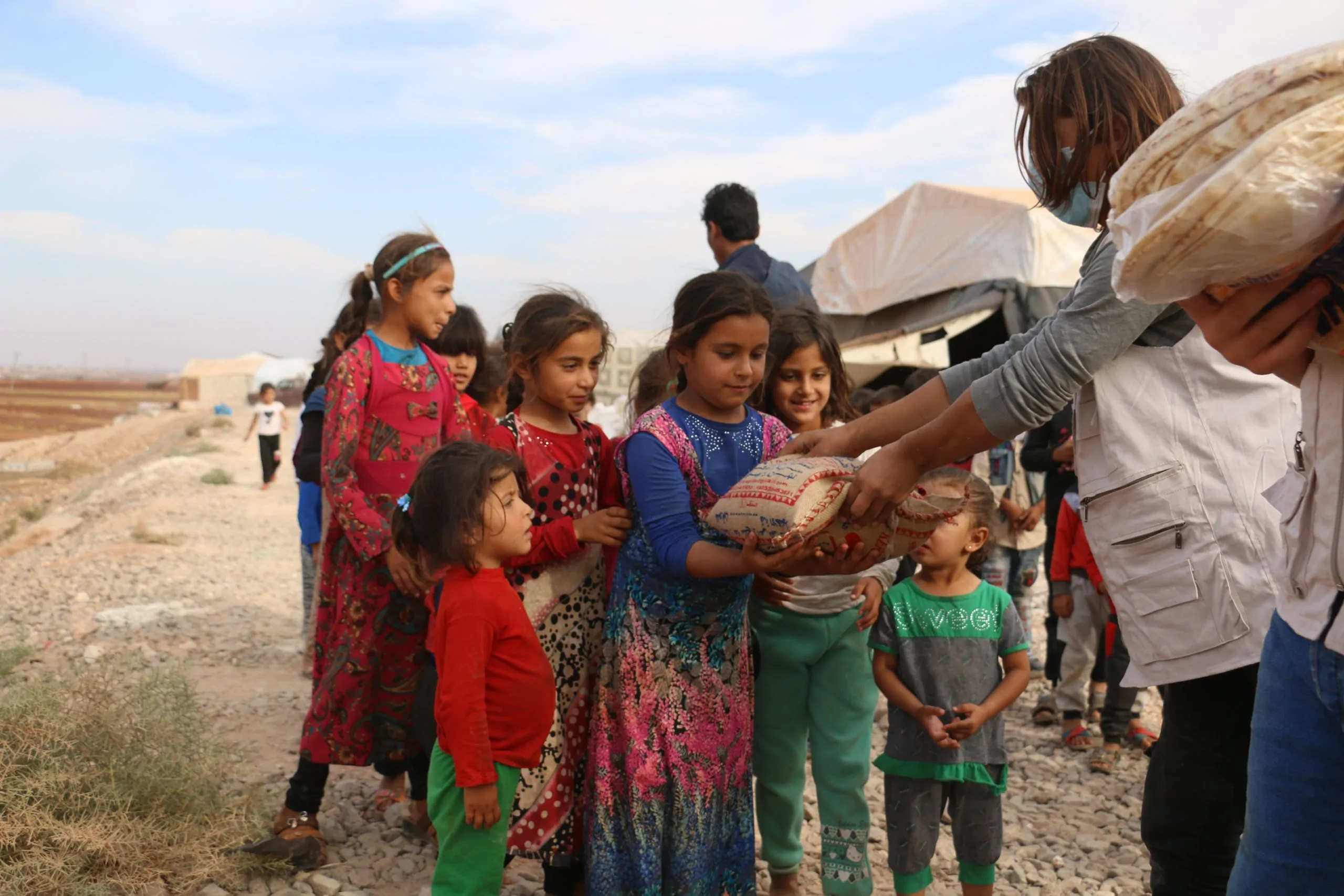
GHH distributes Zakat across the regions where it works, including Palestine, the Syrian and Rohingya refugee communities, Uganda, Pakistan, Bangladesh, Lebanon and other parts of Africa. The people reached include widows, orphans, refugees, victims of natural disasters and families in war zones.
Some appeals are marked as Zakat projects because they meet the needs of eligible individuals directly. Examples include baby milk for infants in Palestine, prosthetic limbs for amputees there and emergency relief in Lebanon. GHH's Zakat guidance also allows Zakat to pay for essential medical treatment of a poor person who cannot afford it.
Working out what you owe
Zakat is 2.5% of all your zakatable wealth, once it reaches the nisab and has been held for a full lunar year. GHH uses a nisab equal to the value of 85 grams of gold or 595 grams of silver. The Zakat calculator lets you add cash, savings, gold, silver, investments and business stock.
Remember that Zakat is due on the wealth, not on the year's income alone, so savings built up over time count once they have been held for a full year. Many people pay in Ramadan, but GHH encourages paying as soon as Zakat is due. As its own FAQ puts it, poverty and crisis do not wait for Ramadan.
For detailed questions, such as debts, family members or Zakat on a business, see GHH's Zakat recipients FAQs. When in doubt about a specific person, ask a scholar or your local imam before giving Zakat for the poor directly.

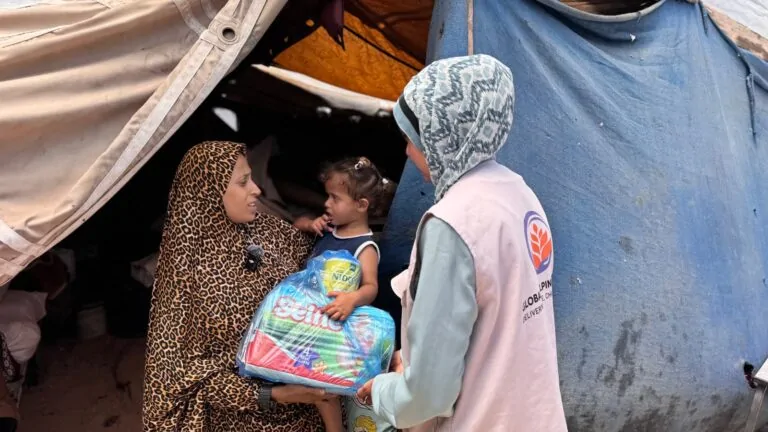 Palestine Baby Milk
A Zakat project feeding infants whose mothers cannot breastfeed. Donate now
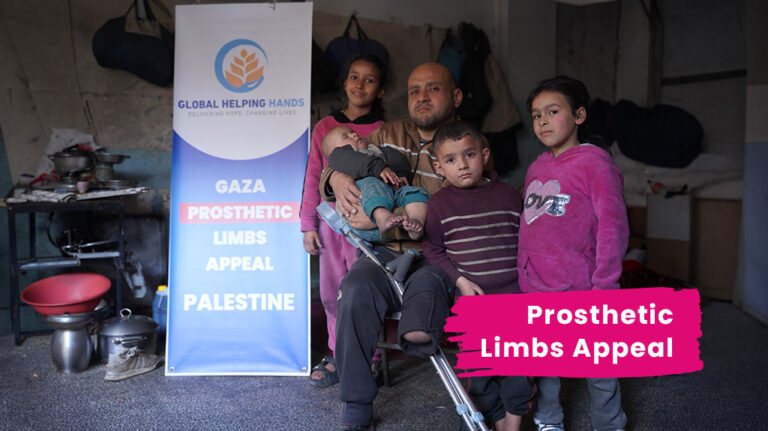 Prosthetic Limbs
A Zakat project restoring mobility to amputees in Palestine. Donate now
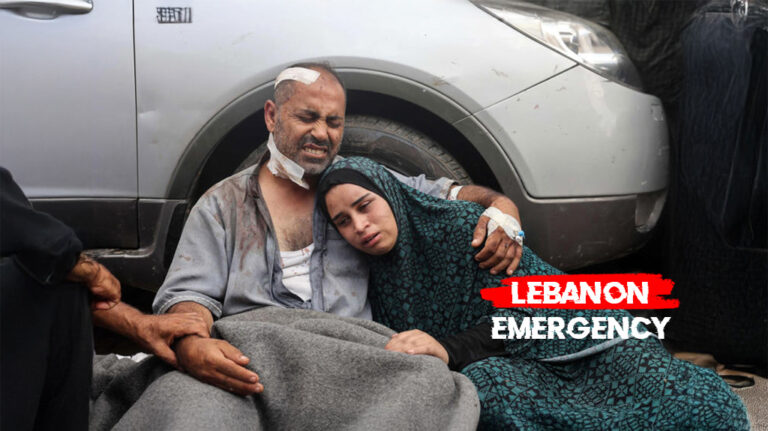 Lebanon Emergency Appeal
A Zakat project for families facing crisis in Lebanon. Donate now
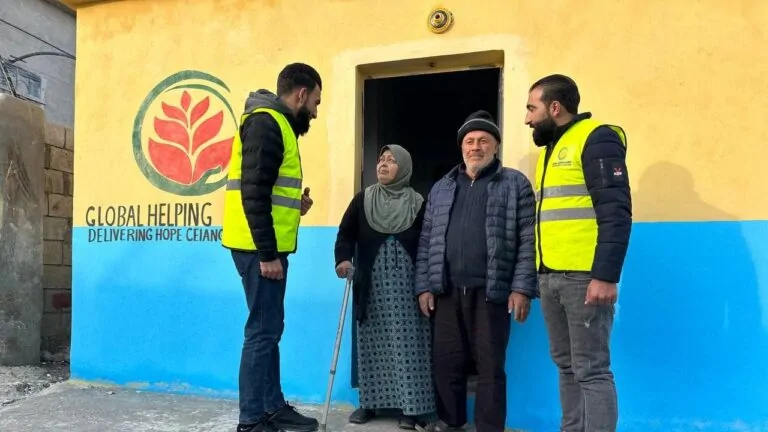 Refugees Homes
Your Zakat can help house a Syrian refugee family. Donate now