Who is a yateem?
In Islamic law, a yateem is a child whose father has died before the child reaches puberty. The father was the one responsible for the family's maintenance, so his loss leaves the child without a provider. Once the child reaches maturity, the legal status of yateem ends, though the need for kindness does not.
A child who has lost their mother is also deeply vulnerable, and many charities, GHH included, support children who have lost one or both parents. But the specific rulings in the Qur'an about an orphan's wealth and guardianship are tied to the loss of the father.
What the Qur'an says about the orphan
The orphan appears across the Qur'an, in Makkan and Madinan surahs alike. Allah reminds the Prophet ﷺ of his own childhood: "Did He not find you an orphan and give you refuge?" (93:6). Three verses later comes the command that follows from it: "So as for the orphan, do not oppress him" (93:9).
Harshness towards orphans is named as a mark of denying the Day of Judgement. Surah al-Ma'un describes the one who denies the Recompense as the one who drives away the orphan (107:1–2). In Surah al-Fajr, Allah rebukes people who do not honour the orphan (89:17).
The Qur'an also praises those who feed the poor, the orphan and the captive out of love for Allah, seeking no reward or thanks (76:8). And in describing true righteousness, it lists giving wealth, despite loving it, to relatives, orphans and the needy (2:177).
The orphan's rights
Islam does not leave the orphan's care to goodwill alone. It sets out rights that the community and any guardian must honour.
- Protection of property. Whatever an orphan inherits belongs to them. Guardians must hand it over intact and must not swap good things for bad (4:2). Do not approach an orphan's property except in the way that is best, until they reach maturity (17:34).
- A severe warning against theft. Those who consume orphans' wealth unjustly are, in the Qur'an's words, only consuming fire into their bellies (4:10).
- Fair handling until maturity. Guardians should test the orphan's judgement as they grow and return their wealth once they show sound sense. A wealthy guardian should not take from it; a poor guardian may take only what is reasonable (4:6).
- Their welfare first. When the Companions asked about mixing their affairs with orphans', the answer was that improving the orphan's situation is what is best, and that they are brothers (2:220).
- Dignity. Not oppressing, not driving away and not dishonouring the orphan, as the verses above make clear.
The Prophet ﷺ and the orphan
The Prophet ﷺ lost his father before he was born and his mother when he was a small child. He was raised first by his grandfather and then by his uncle. He knew from the inside what it means to grow up without parents.
He said: "I and the one who sponsors an orphan will be in Paradise like this," and he held up his index and middle fingers with a small gap between them (al-Bukhari). Few deeds come with a promise of such closeness to him.
Sponsorship in this hadith covers more than money. It means taking responsibility for a child's upbringing: food and clothing, yes, but also education, manners and faith. Many orphans today are cared for by a widowed mother or a relative, and supporting that household is a way of sharing in this reward.
Caring for orphans in Islam today
Most of us cannot take an orphan into our home. What we can do is support the people who are already caring for them, and make sure the child is fed, clothed and taught.
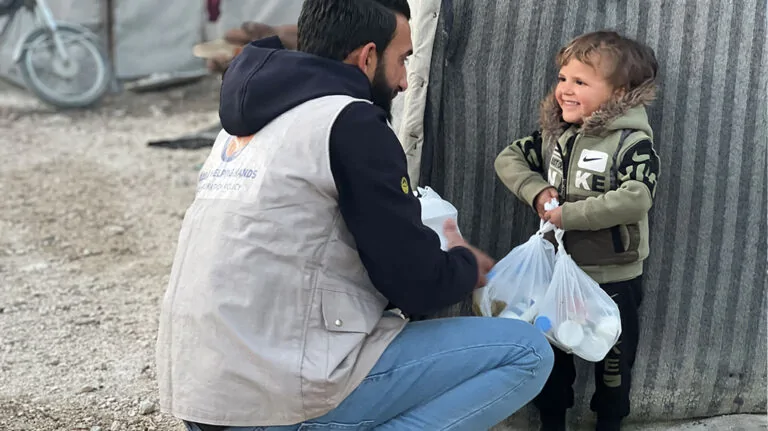
Through orphan sponsorship, GHH supporters give £30 a month towards a named child's food, shelter and clothing. Part of each gift goes to the child you choose and part to a collective fund, so a child is not left without support if a sponsor stops.
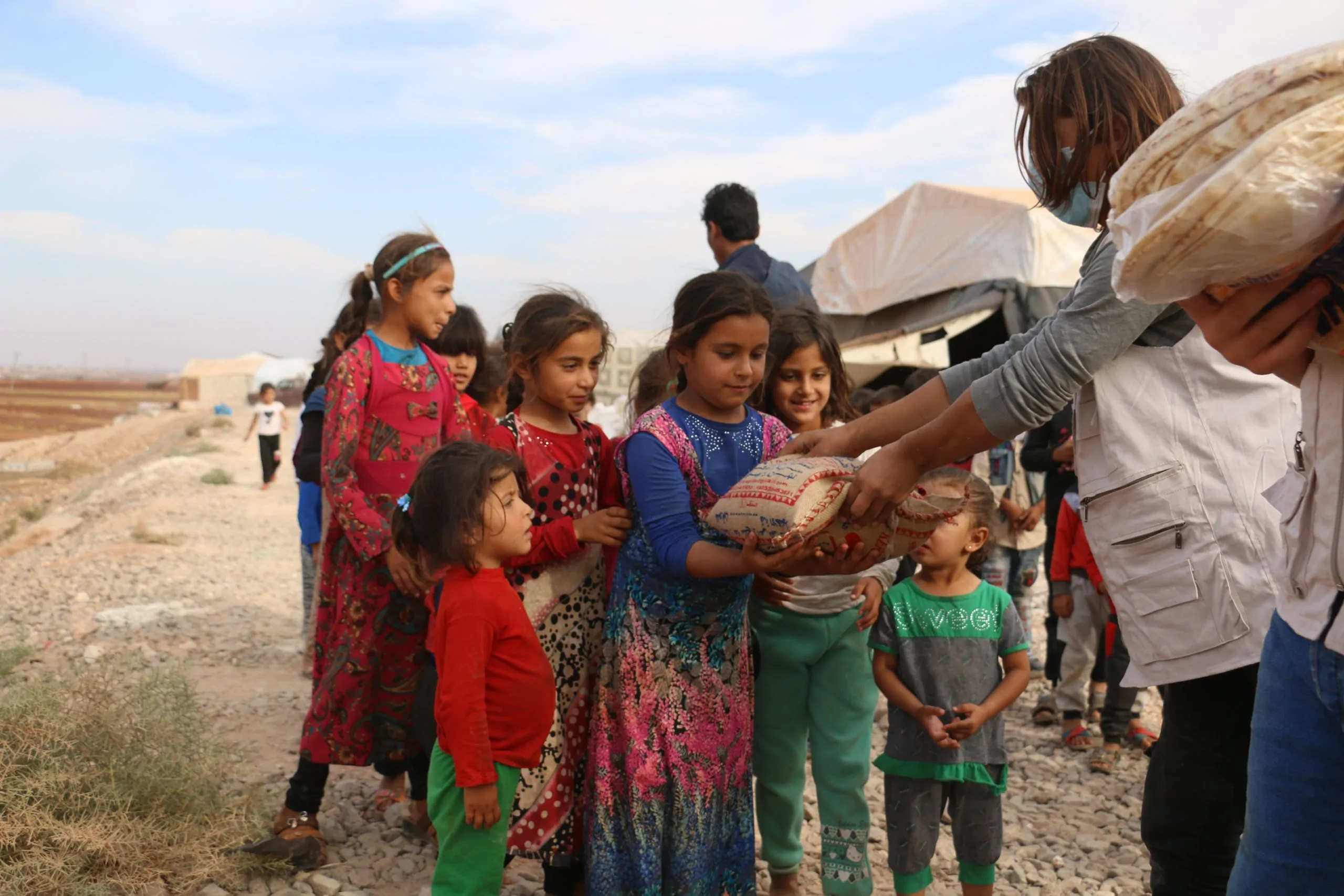
Orphan care can also mean education and safety. At Home of Hope (Dar Al-Amal) in Arsal, Lebanon, children who have lost parents are taught English, IT, maths, Arabic and the Qur'an, with hot meals, clean clothes and washing facilities. The centre teaches 96 orphans each week alongside other students.
Caring for orphans in Islam also includes the small things: a gift at Eid, a kind word, a du'a. Whatever you do, do it as the Qur'an asks, with honour and without harshness.

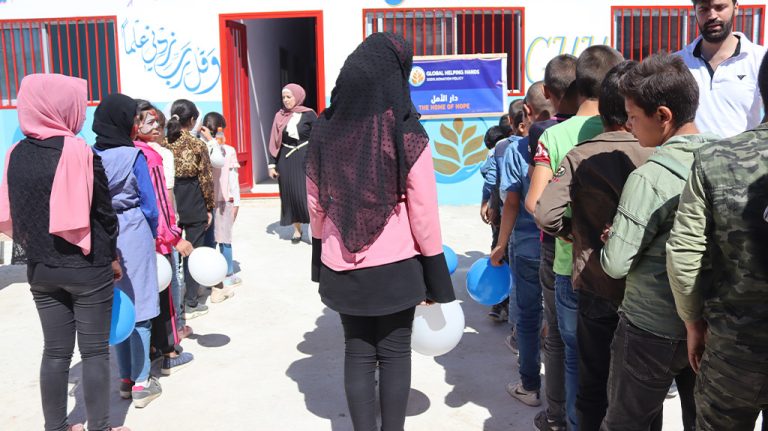 Home of Hope
Schooling, Qur'an and hot meals for children in Arsal, Lebanon. Donate now
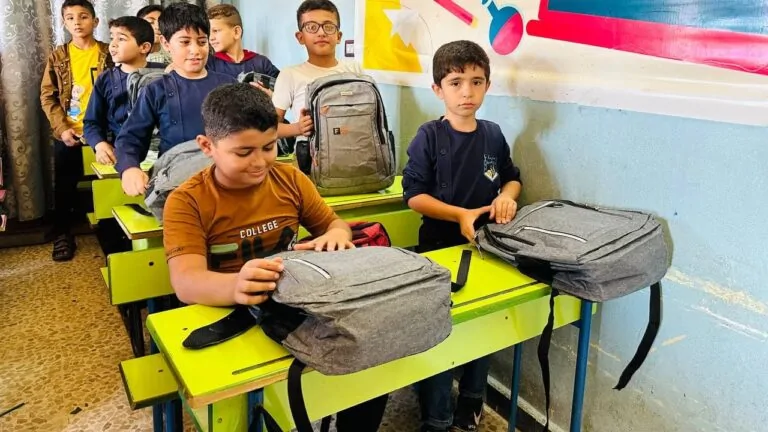 Education for orphans
Your Sadaqah or Zakat helps orphans stay in education. Donate now
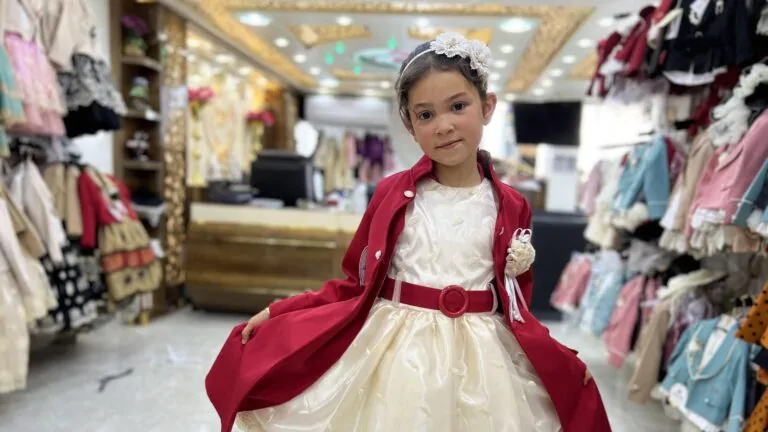 Eid gifts
New clothes, a toy and an Eid meal for an orphan. Donate now
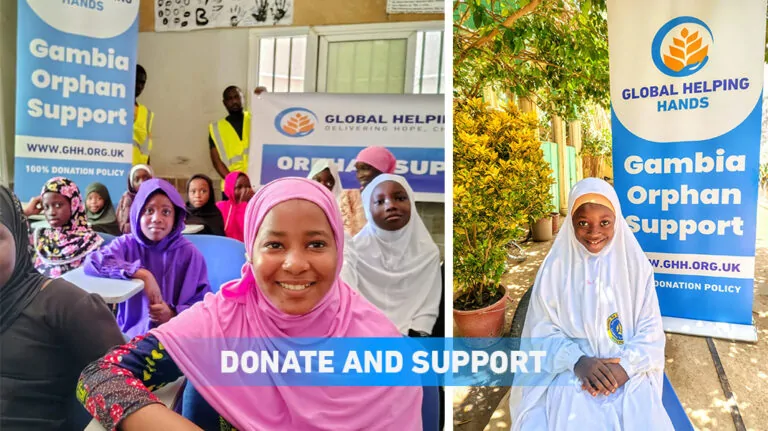 Hifz programme
Teachers, meals and lodging for children memorising the Qur'an. Donate now