Four kinds of clean water projects, four different jobs
People often picture one thing when they hear about clean water projects: a well. In practice GHH funds four quite different pieces of work. Each solves a different problem, and the right one depends on how many people need water, how deep the water table is and whether there is power.
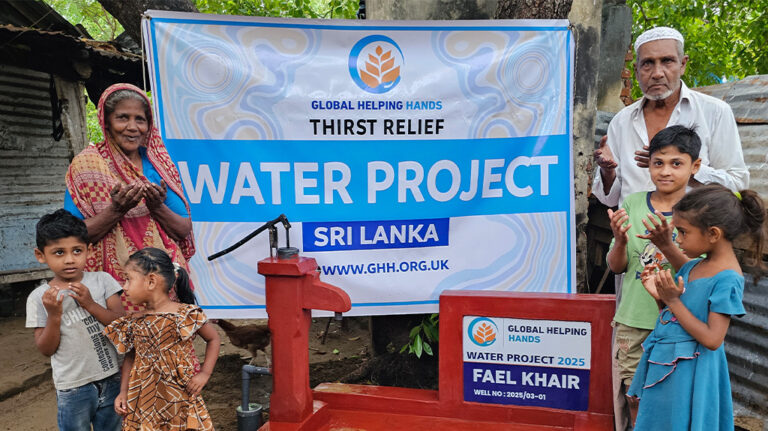
- Hand pumps. A pipe drilled 80 to 200 feet down with a manual pump on top. One pump serves a cluster of homes: 2–3 families in Sri Lanka, 5–6 in Bangladesh, 7–10 in Pakistan.
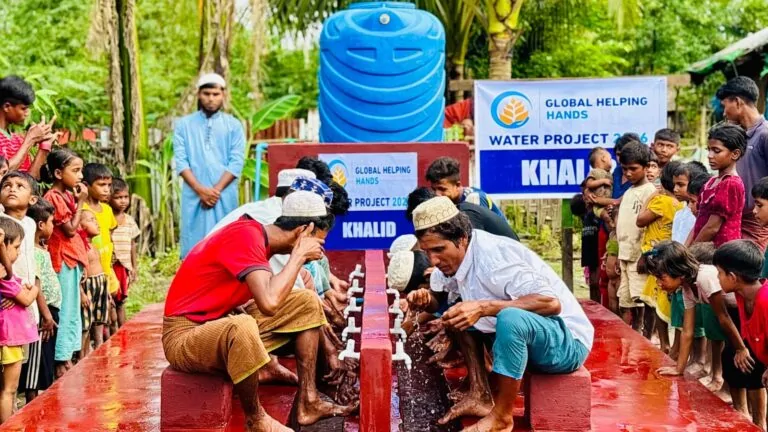
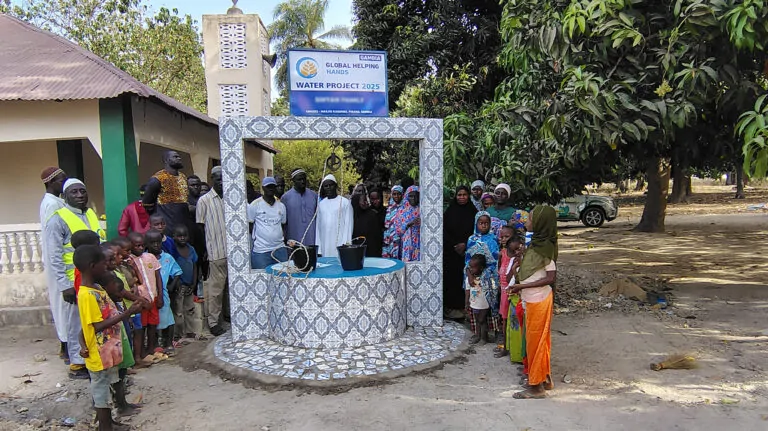
- Deep water wells. Larger boreholes for a whole community. The Uganda well reaches 45–60 feet and serves 200 people; the Rohingya well is electric, drilled 300 feet and serves 300.
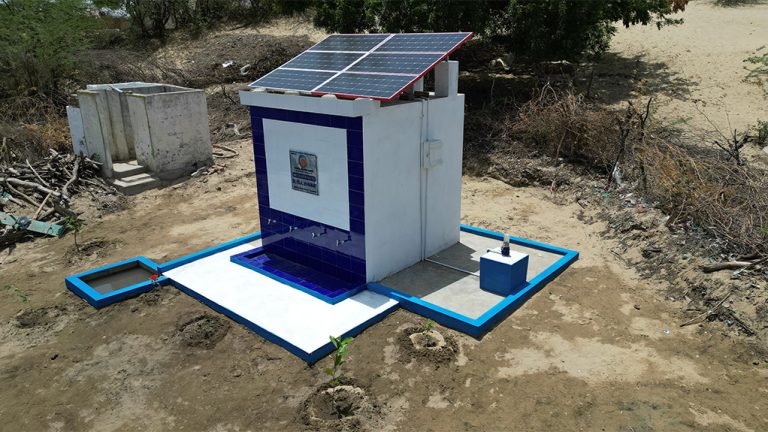
- Solar wells and solar pumps. The pump runs from solar panels, so nobody has to work a handle. In Pakistan a solar pump serves 40 houses and a solar well serves 500 people.
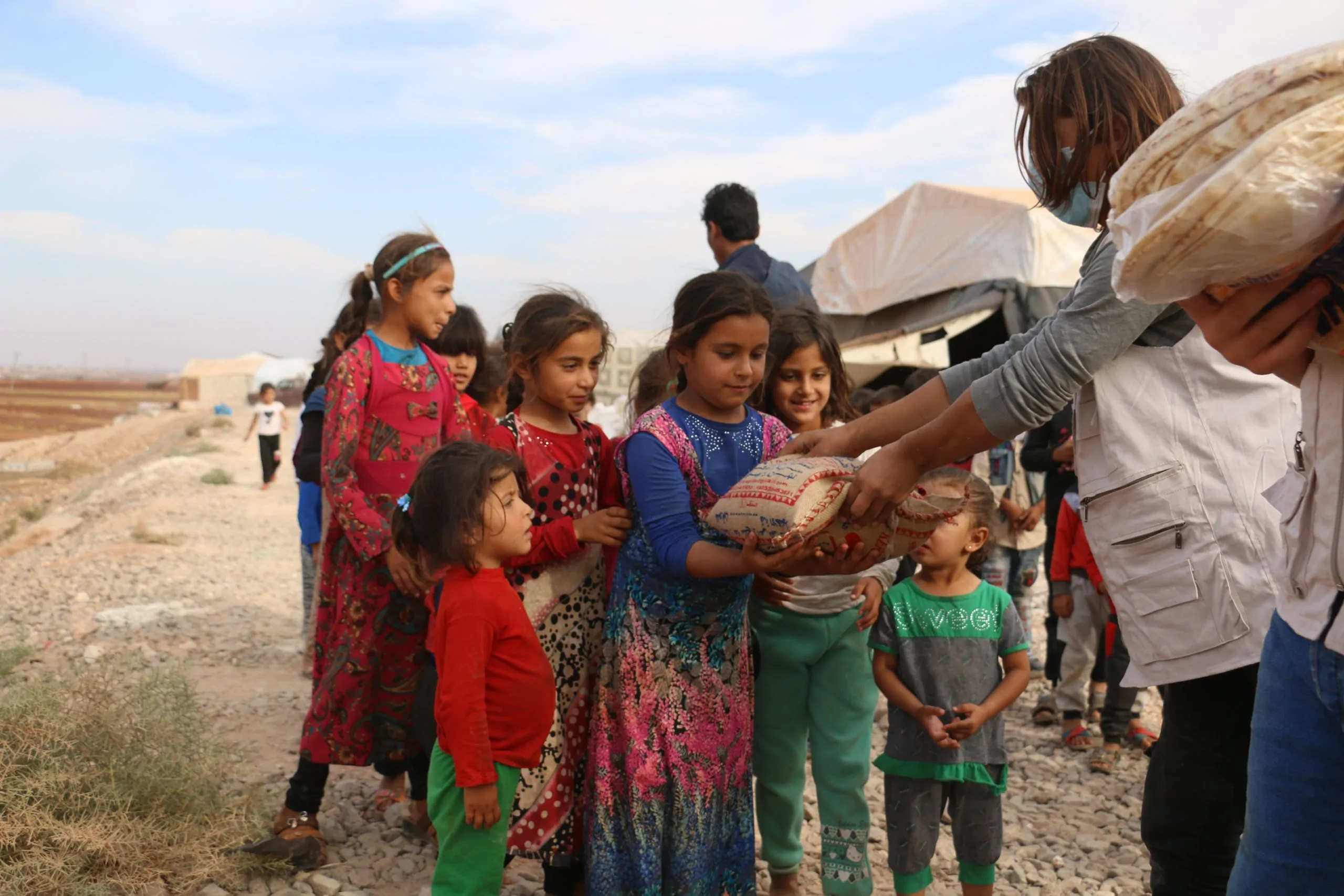
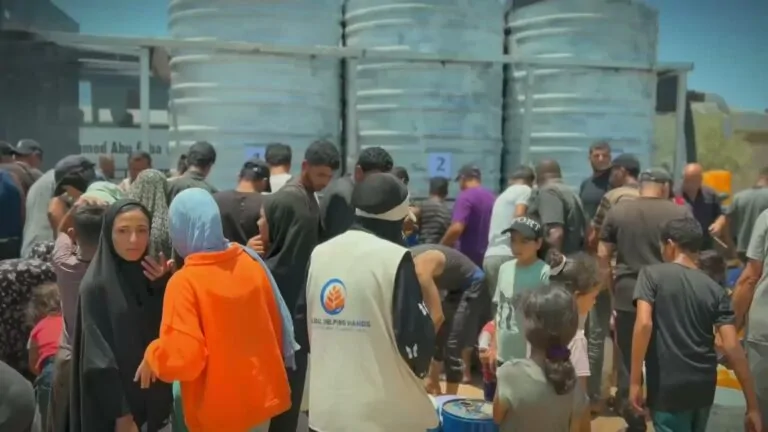
- Water tankers. No drilling at all. A tanker carries around 20,000 litres to families in Palestine, Yemen, Lebanon, Pakistan or the Syrian refugee camps.
Matching the project to the place
A hand pump is the smallest and simplest build. GHH's own guidance is that pumps are more affordable and easier to maintain, which makes them a good fit for a handful of households living close together.
Deep wells cost more because drilling deeper is harder work, but they reach deep aquifers. That gives a steadier supply of better water to a much larger number of people.
Solar matters where people are spread out or the water sits far down. The film A Solar Water Pump for a Desert Village in Sindh, Pakistan on our site shows the set-up: a tank under solar panels feeding three taps and a tiled basin.
Tankers are the emergency answer. Where a camp has no safe source, or a conflict has cut supply, there is nothing to drill into yet, so water has to be driven in.
Demand does not always match what local teams can build in a season. At the time of writing, the Gambia water well and Gambia solar well are marked "Project Paused Due to High Demand" on our water projects page. It is worth checking a project's status on that page before you give.
How a site is chosen
Donors can suggest a location, and we try to honour it where we can. The final decision, though, rests on a needs assessment carried out with local communities and authorities. Three things carry the most weight:
- Population. How many people will draw from the source.
- Scarcity. How far people currently walk, or how unsafe the water they use now is.
- Health benefit. Whether a clean source will cut illness in that community.
Logistics count too. A site the drilling team cannot reach, or one where the ground will not yield water at the planned depth, is not a good use of a donor's money.
From donation to first water
Each well and pump page lists a time to complete of 3–4 months, from your donation to the finished project. Our promise on the water hub is that every project is completed and you receive an update within 6 months.
If you fully fund a project, you choose the name on its plaque, your own or a loved one's. The update comes by email and SMS, with a photo of the finished pump or well showing that plaque.
Keeping the water flowing
A water point is only useful while it works, so each appeal page now states an expected working life. Hand pumps in Pakistan, Bangladesh and Sri Lanka are listed at up to 5 years, as are the Pakistan solar pump and the Rohingya well. The Uganda well is listed at up to 10 years.
Those figures are estimates, not guarantees. Pumps have moving parts that wear, and wells depend on the water table. That is why the simplest, easiest-to-repair design is often the right one for a small community.
When you compare projects, look at three numbers together: the cost, how many people it serves and how long it is expected to last. A £150 pump for three families and a £1,120 well for 200 people are both good gifts. They simply answer different needs, in different places.
If you are deciding between options, the community water wells page sets out every live project side by side. For background on why safe water matters to health, the World Health Organization's drinking-water fact sheet is a clear starting point.