What the Qur'an says about feeding the hungry in Islam
In Surah al-Balad, Allah describes the "steep path" a person is called to climb. Among the deeds that make up that climb is "feeding on a day of severe hunger an orphan of near relationship, or a needy person in misery" (Qur'an 90:14–16). Feeding others is presented as an uphill effort, not a casual extra.
Surah al-Insan describes the righteous as those who give food, despite their own love for it, to the needy, the orphan and the captive. They say they feed them only for the sake of Allah and want neither reward nor thanks from them (Qur'an 76:8–9). The intention matters as much as the meal.
The Qur'an also warns against the opposite. Among the traits of those who deny the Day of Judgement is that they do not encourage the feeding of the poor, a point repeated in more than one surah.
What the Sunnah adds
When a man asked the Prophet ﷺ which part of Islam is best, he replied: feed people, and give the greeting of salam to those you know and those you do not know (Sahih al-Bukhari and Sahih Muslim). Feeding is placed right beside greeting as a mark of a good Muslim.
The Sunnah also gives feeding a special place in Ramadan. The Prophet ﷺ said that whoever gives a fasting person food to break their fast receives a reward like theirs, without the fasting person's reward being reduced at all (Tirmidhi). One iftar can therefore carry the reward of a whole day's fast.
Taken together, these texts show that feeding the hungry in Islam is tied to faith itself, to the Day of Judgement and to the month of fasting. It is not left to whoever happens to feel generous.
When feeding the poor becomes an obligation
Islamic law turns several situations into a duty to feed people in need. These are not optional acts of charity; they settle something owed.
- Fidyah for fasts that cannot be made up: the Qur'an sets a ransom of feeding a poor person for those who fast only with great hardship (2:184). This covers people whose long-term illness or old age means they cannot fast now or later.
- Kaffarah for a broken oath: feeding ten needy people from the average of what you feed your own family, clothing them, or freeing a slave; only someone who cannot do any of these fasts three days, preferably one after another (5:89).
- Kaffarah for intercourse during a Ramadan fast: in the well-known hadith of the man who had relations with his wife while fasting in Ramadan, the Prophet ﷺ set out freeing a slave, then fasting two consecutive months, and then, for someone unable to fast, feeding sixty poor people (Sahih al-Bukhari and Sahih Muslim). Breaking a fast on purpose by eating or drinking needs sincere repentance and making up the day, but no Kaffarah.
In each case the meal is the act of worship. The money paid to a charity is simply the means of putting food in front of the right number of people.
How GHH turns these duties into meals
GHH sets a fixed price for each obligation and provides the meals on the donor's behalf:
- Fidyah: £3 for each missed fast, or £90 for a whole month, with a meal given for every fast you could not keep.
- Kaffarah for a broken oath: £30 feeds ten people, given within a week as part of GHH's weekly hot meals. The money is kept separate and spent only on food.
- Kaffarah for a fast: £180 feeds sixty people for each day of Ramadan on which the fast was broken by intercourse, for someone who cannot fast two consecutive months.
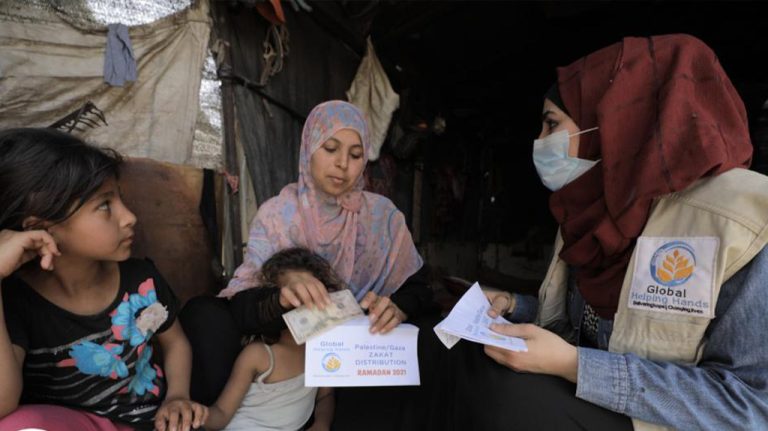
- Feed the Fasting: a voluntary iftar for a fasting family in Palestine at £3, or £90 for all thirty nights of Ramadan.
Fidyah, Kaffarah for a fast and Feed the Fasting gifts are given out during Ramadan itself, rather than after the month ends. You can read more about each duty on GHH's Fidyah and Kaffarah guides.
Everyday feeding beyond Ramadan
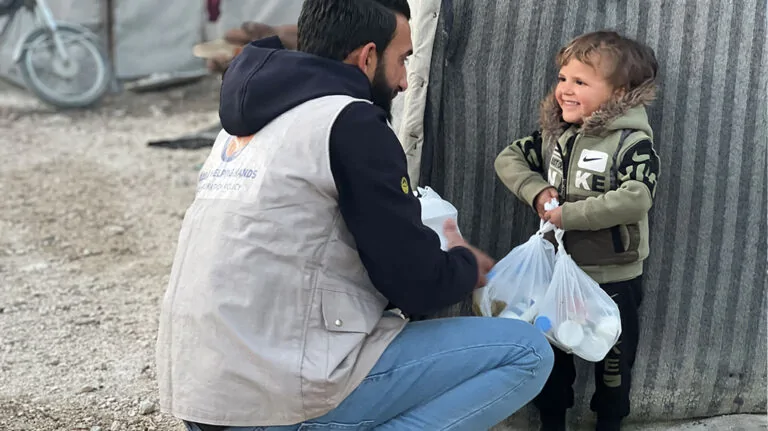
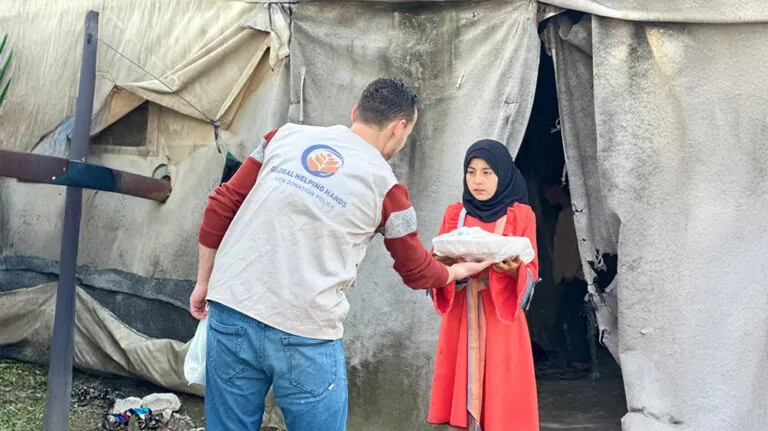
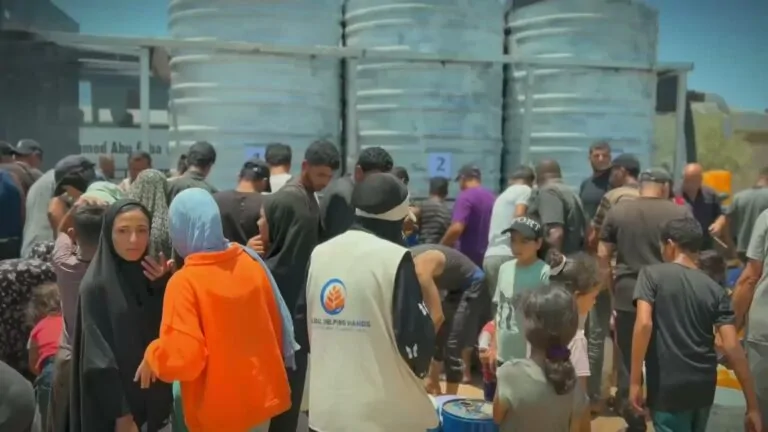
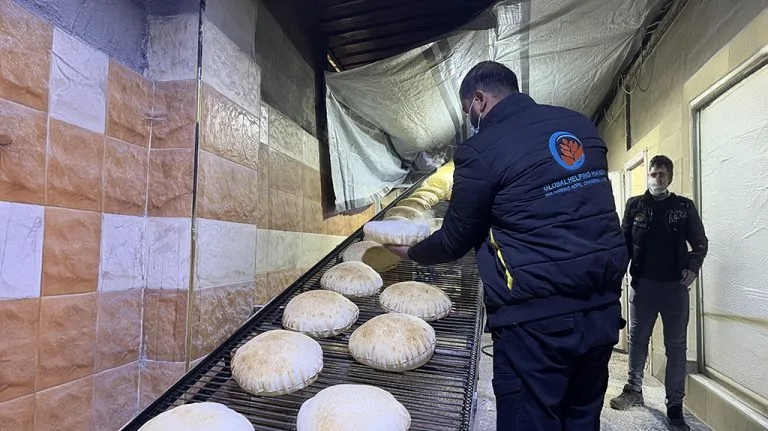
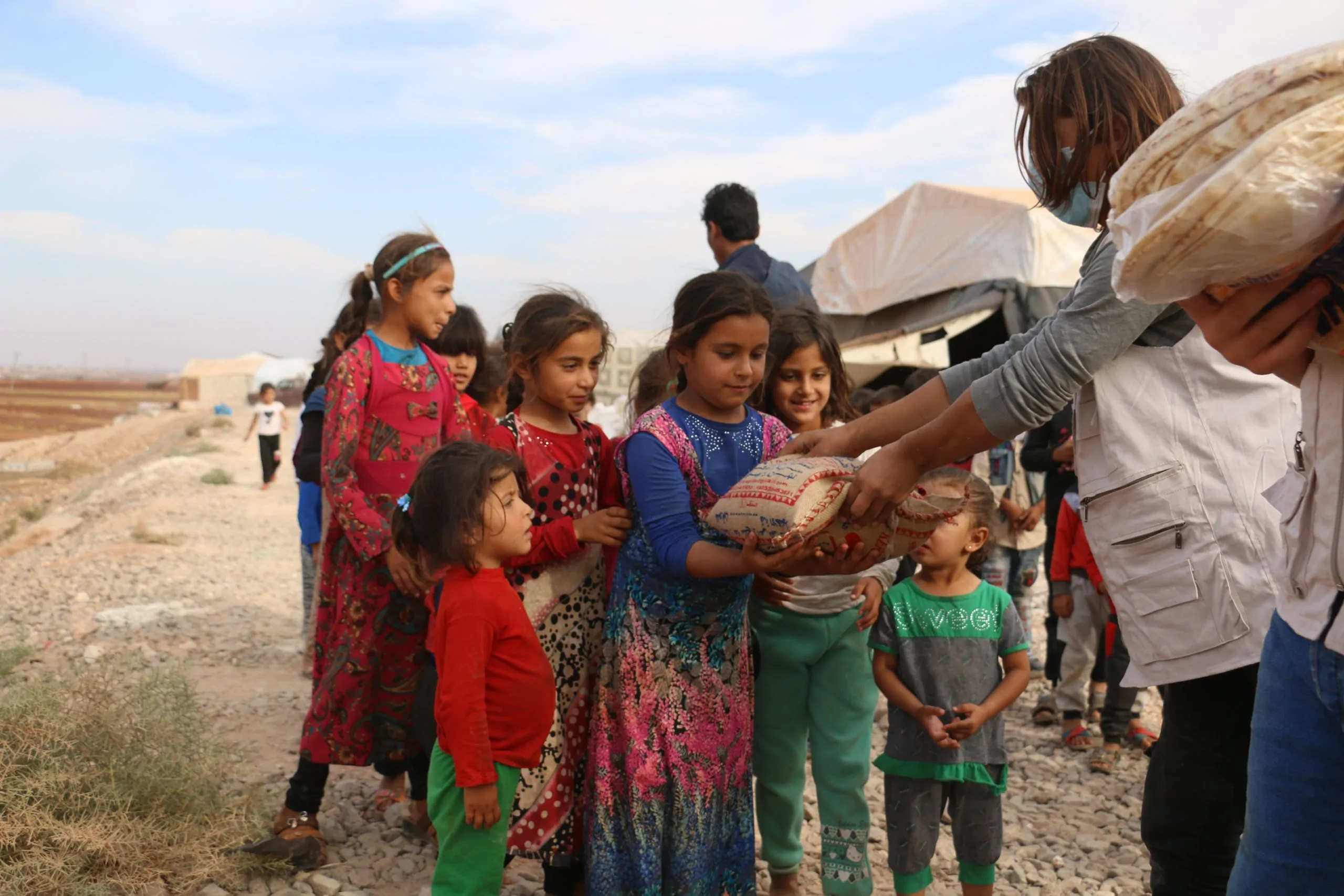
Hunger does not keep to the Islamic calendar. GHH's weekly bread distribution under Bread for Life reaches families in Lebanon, Turkey and Syrian refugee communities all year, and hot meals are served from large pots to families living in tents in Palestine.
Bread is a good example of why the form of food matters. It is a staple people eat every day, so a steady supply removes one of a poor family's most constant worries.
A simple way to keep the practice of feeding the hungry in Islam alive is to set a regular gift, however small, so that feeding others becomes part of your week rather than something saved for one month. As the verses in Surah al-Insan remind us, the reward lies in giving for Allah alone.

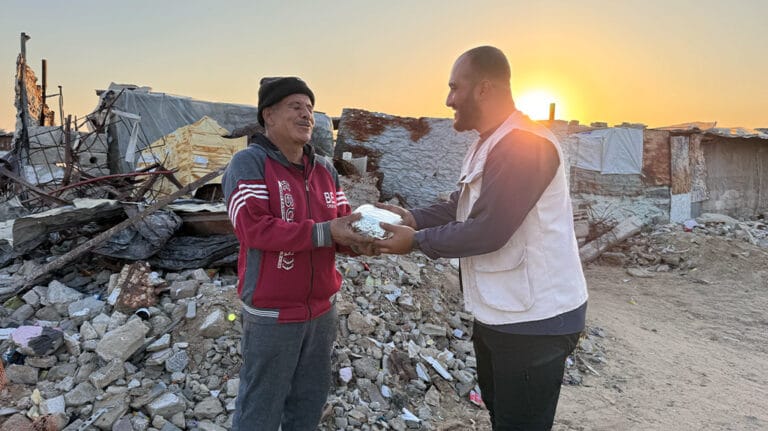 Feed The Fasting
£3 gives a fasting family in Palestine an iftar. Donate now
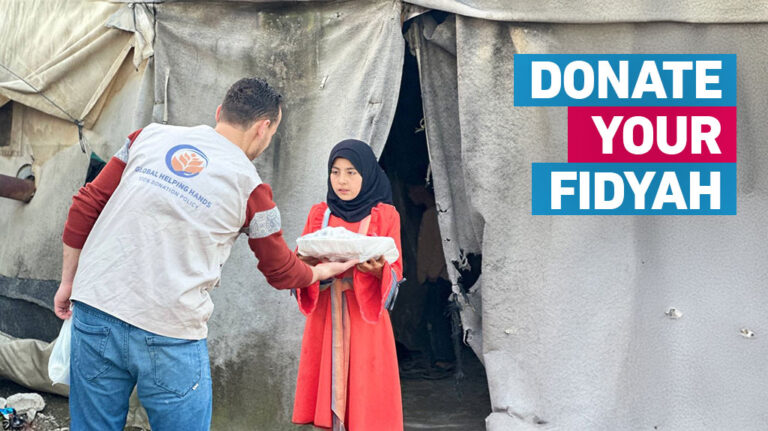 Fidyah
£3 per missed fast, one meal for someone in need. Donate now
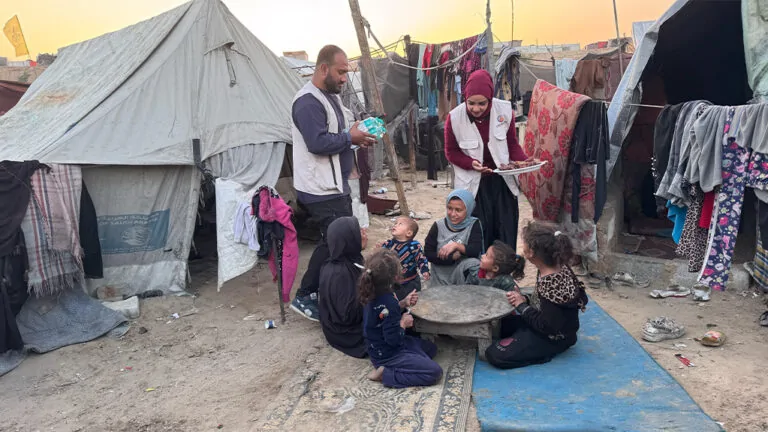 Kaffarah for an Oath
£30 feeds ten people within a week. Donate now
 Kaffarah for a Fast
£180 feeds sixty people when a fast is broken by intercourse Donate now