Why the choice matters
Allah commands us to render trusts to those they are due to (4:58). When you hand your Zakat or Sadaqah to a charity, you are trusting it to carry out an act of worship on your behalf. Choosing well is part of fulfilling that trust.
The checks below are practical. You can apply them in an evening with a laptop and a phone, and they work for any charity, large or small.
How to choose a Muslim charity: eight checks
- Is it registered, and is its reporting up to date? In England and Wales, a charity's number lets you look it up on the Charity Commission register and see whether its annual returns are filed on time.
- How does it handle Zakat? Zakat has rules: it must reach eligible people, and you should know whether any of it is used for the charity's own costs. Look for a clear statement that Zakat is kept separate, which appeals are Zakat eligible, and how Nisab is calculated.
- How are running costs paid? Every charity has costs. Ask where the money comes from, and whether any of your Sadaqah or Zakat goes towards it.
- Does it publish what it achieved? An annual report with numbers for people reached, and accounts filed with the regulator, show a charity is willing to be measured.
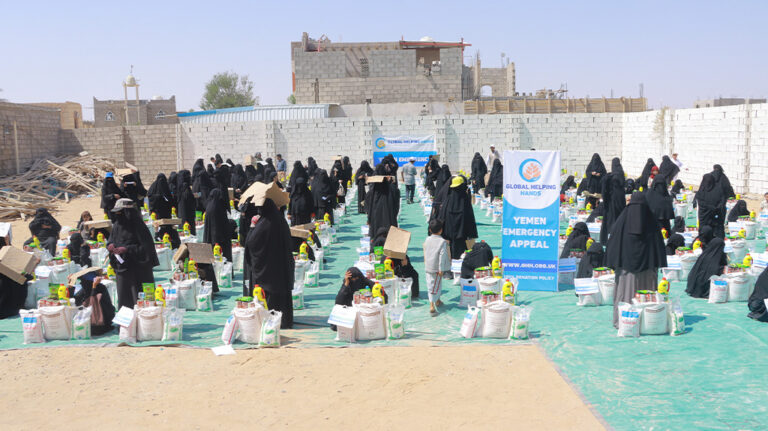
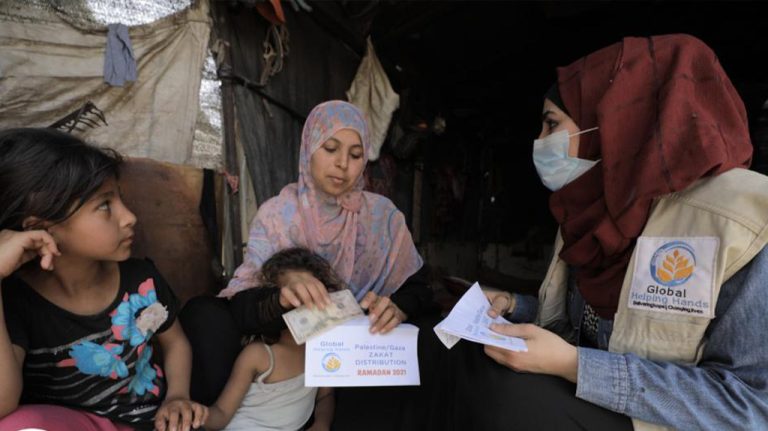
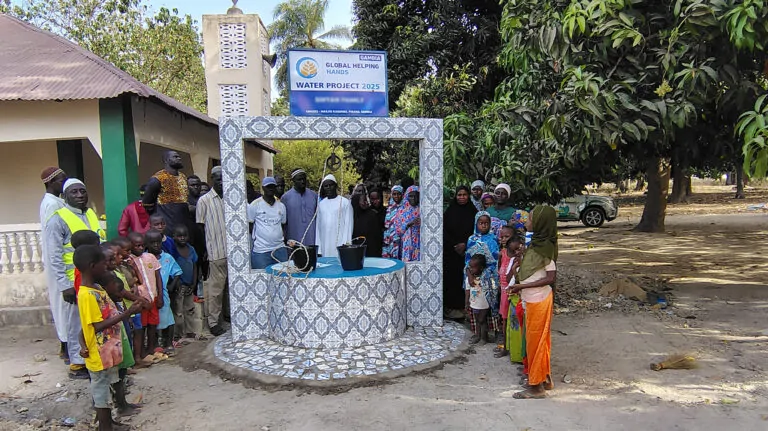
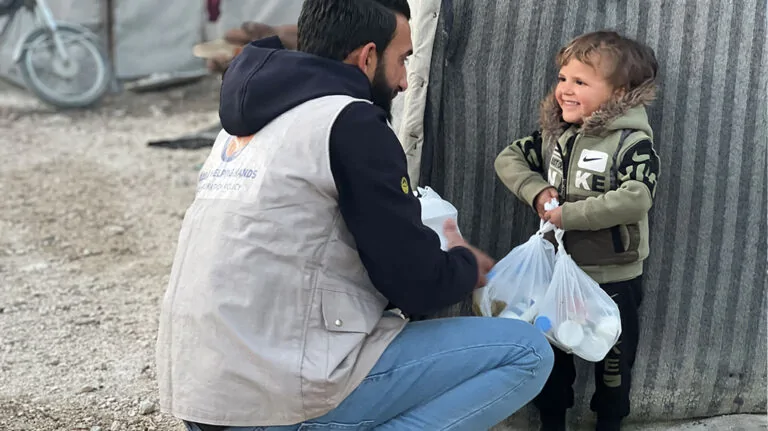
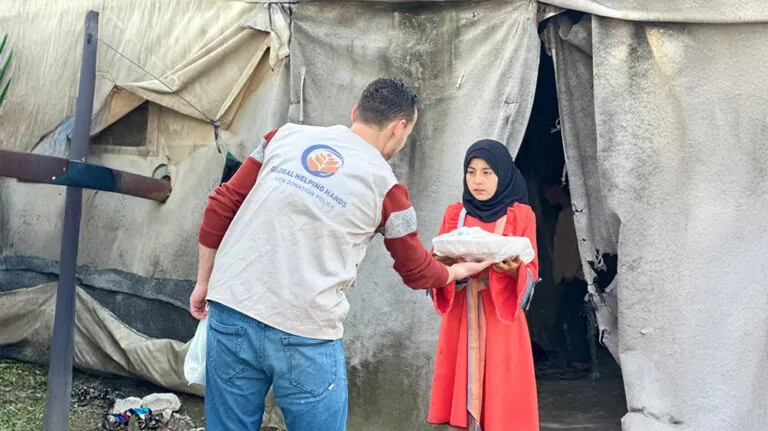
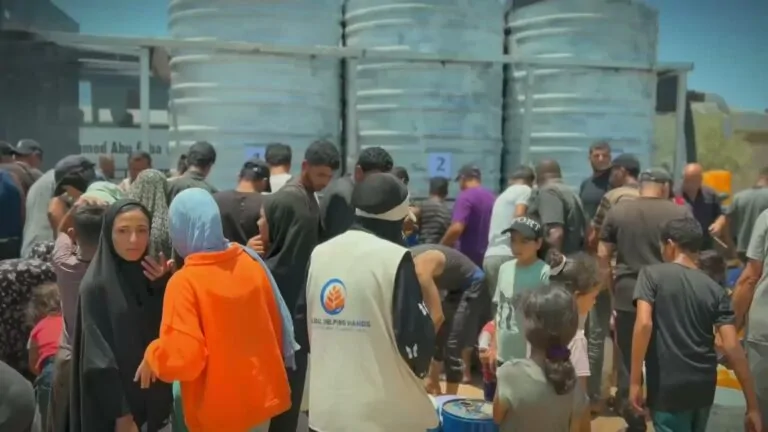
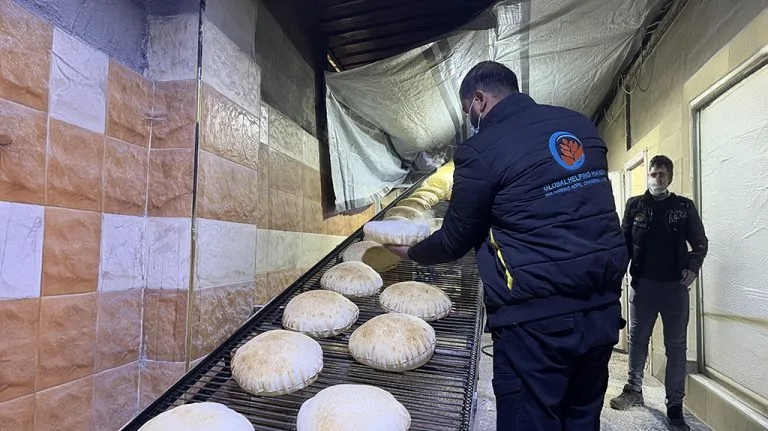
- Can you see your money arrive? Photos, films, plaques on wells and masjids, or updates by email are signs of a charity that expects to be checked.
- Is each appeal specific? "£250 builds a water pump 80–180 feet deep for 7–10 families" tells you far more than "help those in need".
- How does it fundraise? High-pressure calls, paid street collectors and influencer campaigns all cost money. Look for a commitment to the Fundraising Regulator's code.
- Can you reach a person? A real address, a phone line answered in office hours and a clear refund policy are basic signs of accountability.
Zakat: the check that matters most for Muslims
Zakat is a pillar of Islam, not just a donation, so it deserves extra scrutiny. A trustworthy Muslim charity should be able to answer three questions in plain language:
- Who receives it? Only the eight categories in Surah at-Tawbah (9:60), in practice mostly the poor and the needy.
- Is it kept apart? Zakat should be held separately, not pooled with general funds.
- What fiqh does it follow? For example, whether it counts worn jewellery, and whether it uses the gold or silver Nisab.
GHH's Zakat page answers each of these. It keeps Zakat separate and gives it only to eligible people. Its calculator uses the silver Nisab by default because it is the lower threshold, and it states that Zakat is due on gold and silver jewellery, including jewellery that is worn, once the total reaches Nisab.
You do not have to agree with every position a charity takes. What matters is that it tells you, so you can decide.
Running costs: ask the awkward question
There is nothing wrong with a charity having running costs; staff, audits and systems are needed to do the work properly. The question is who pays.
Some charities take a percentage from every donation. Others, like GHH, run a 100% donation policy: running costs come from a separate admin fund, Gift Aid and gifts made specifically for admin, so none of your Sadaqah or Zakat is used for them. GHH's donation policy page publishes the admin fund's totals so donors can check.
Whichever model a charity uses, it should explain it openly. Vague phrases like "most of your money" are a reason to ask more.
Putting it together
No single check proves a charity is trustworthy, but together they paint a clear picture. A good sign is when the answers are easy to find without having to ask.
It also helps to start from what you care about. If you want lasting Sadaqah Jariyah, look at how a charity reports on wells and masjids. If you give mainly in emergencies, look at how quickly it responds and how it shows the results.
GHH, for its part, is registered charity 1190360 in England and Wales. Its annual report says it uses no fundraising agencies or influencers, and it says it follows the Fundraising Regulator's Code of Fundraising Practice. Its office is in Slough and its phone line is answered on weekdays.
Knowing how to choose a Muslim charity is not about finding a perfect one. It is about finding one that is honest about how it works, and then giving with a clear conscience.

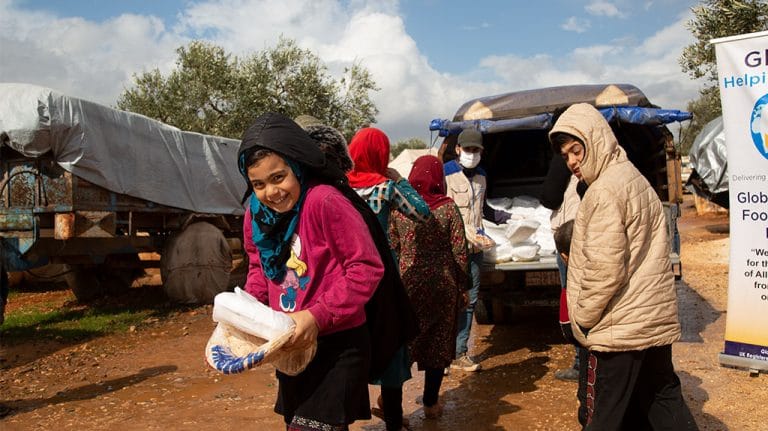 General Sadaqah
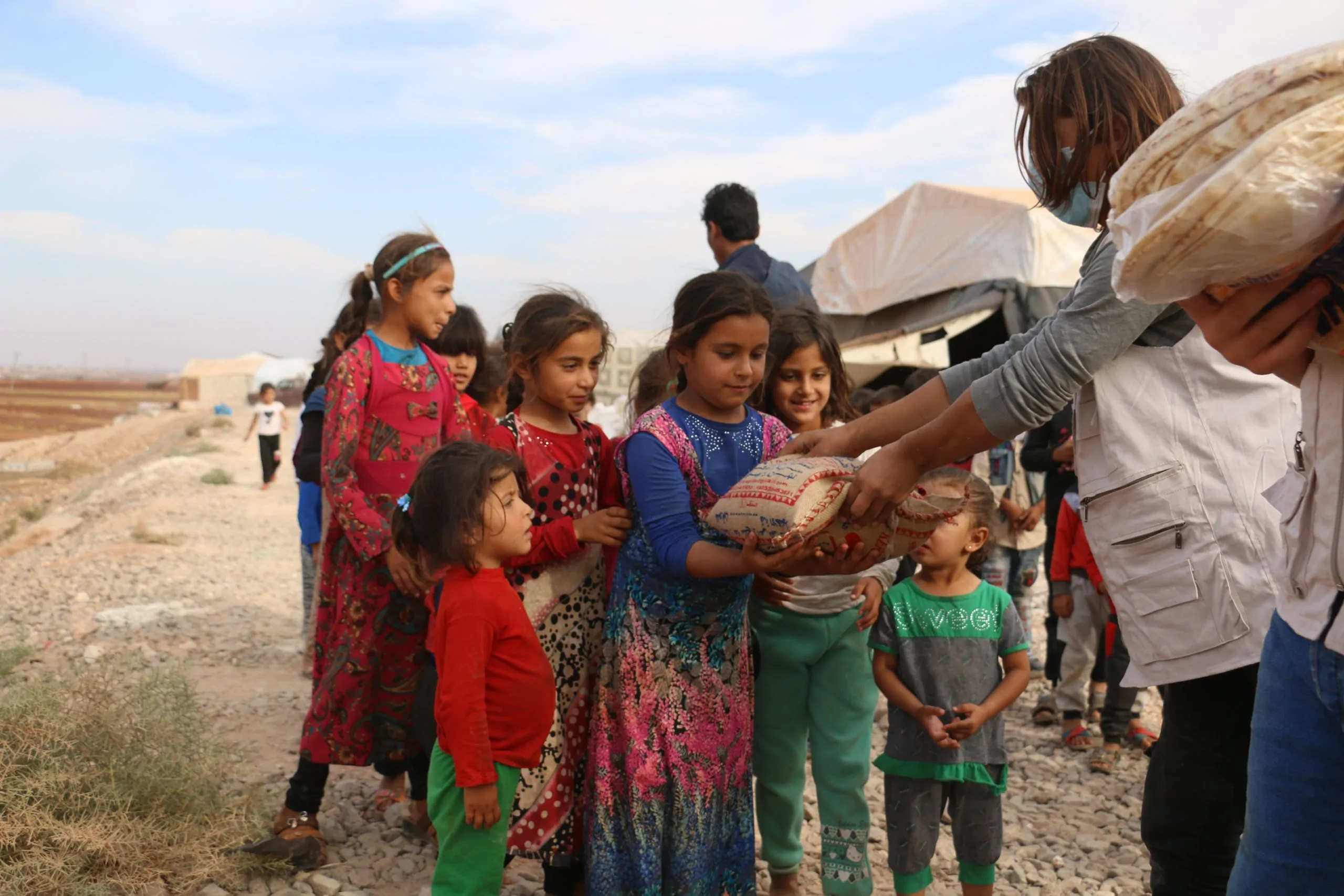
Food, water or education wherever the need is greatest. Donate now
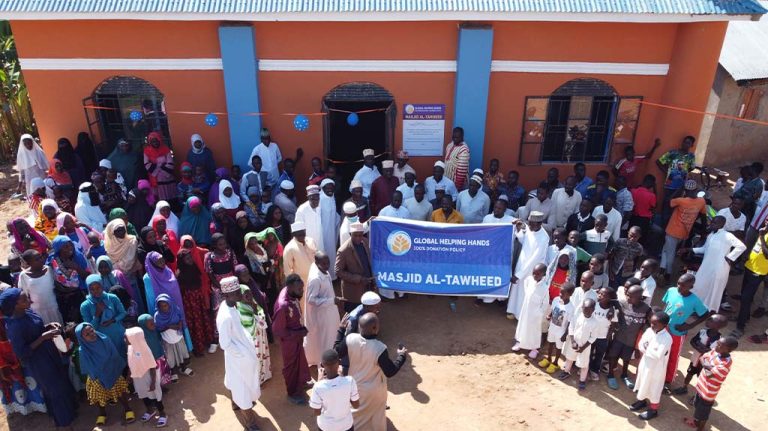 Sadaqah Jariyah
Wells, schools and masjids that keep benefiting people for years. Donate now
 Interest money
Pass on bank interest; spent only on roads and toilets. Donate now
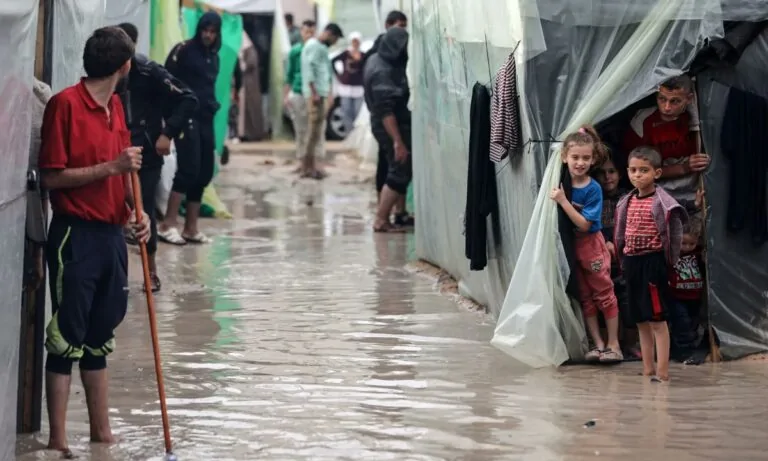 Palestine emergency
Zakat-eligible emergency packs for families in flooded camps. Donate now