GHH's Bangladesh charity work at a glance
GHH works in Bangladesh in two settings. The first is Bangladeshi communities in rural and low-income areas, where the needs are clean water, food and help after floods. The second is the Rohingya refugee camps in the south of the country, which GHH covers on a separate page.
If you are looking for a Bangladesh charity to give through, it helps to know which of these your gift will reach. Across both settings, GHH's projects fall into four groups:
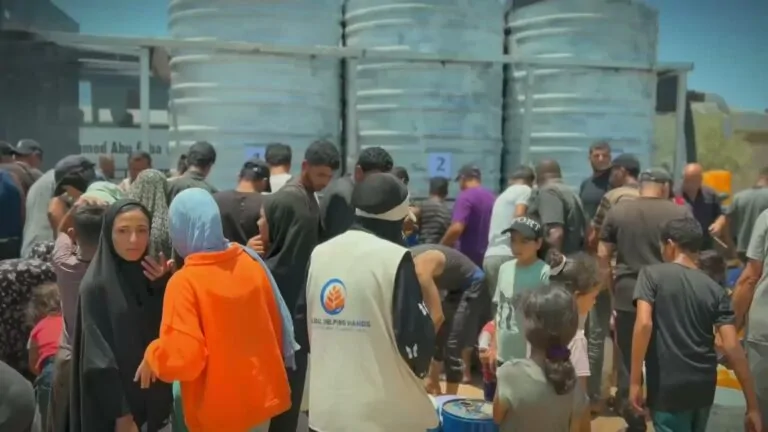
- Water: hand pumps for families and an electric well for the camps.
- Emergencies: flood relief with hot meals and essential aid.
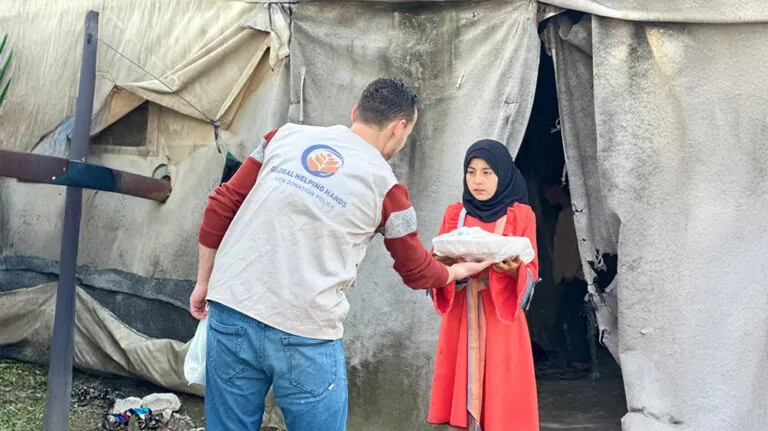
- Qurbani and food: Eid meat and food parcels for families in poverty.
- Zakat: Bangladesh is one of the places GHH distributes Zakat to eligible families.
Water pumps for Bangladeshi villages
The Bangladesh Water Pump costs £210 and serves five to six families. It is drilled 100 to 200 feet deep, and GHH gives the pump's lifespan as up to five years.
Sites are chosen with local communities and authorities, based on population, water scarcity and the likely health benefit. You can suggest a location, though the final choice depends on GHH's needs assessment.
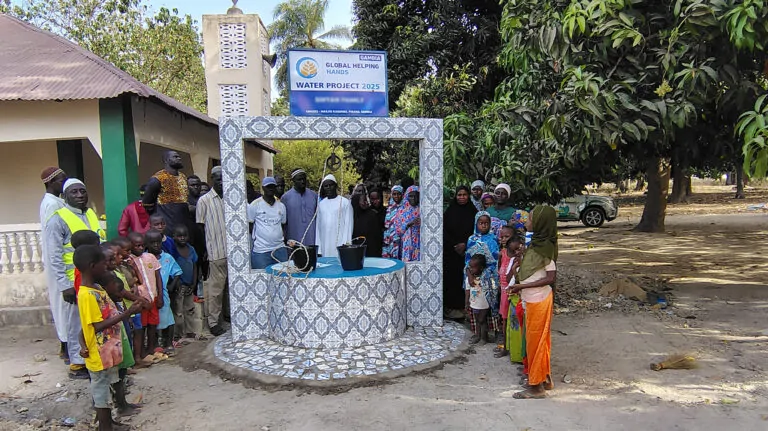
Every pump is completed within six months of your donation. You receive email updates with photos and video, and a final photo of the pump with a plaque showing your chosen name. You can dedicate the pump to a parent or a loved one as Sadaqah Jariyah.
Why a hand pump rather than a deep well? GHH's water FAQ explains that hand pumps are more affordable and easier to maintain, which suits smaller communities, while deep wells reach deeper aquifers and serve many more people. In Bangladesh, the £210 pump is the village option; the £900 electric well serves a whole section of a Rohingya camp.
Flood relief
Floods are a recurring threat in Bangladesh. When they strike, families lose shelter, food and clean water all at once, and the water left behind is often unsafe to drink. Help in the first days is about keeping people fed and safe until they can return home.
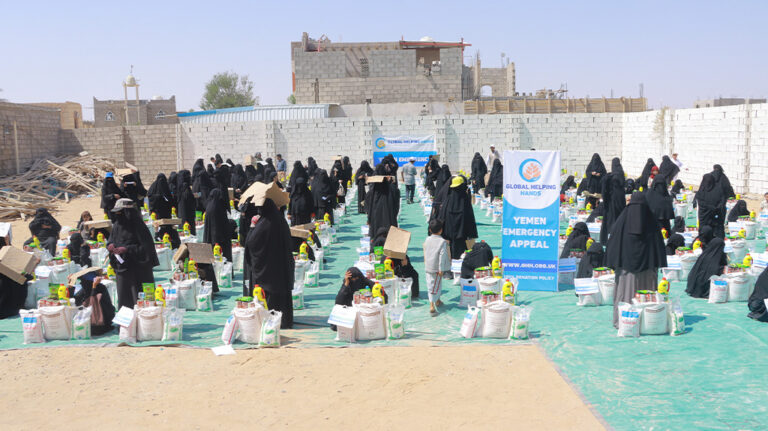
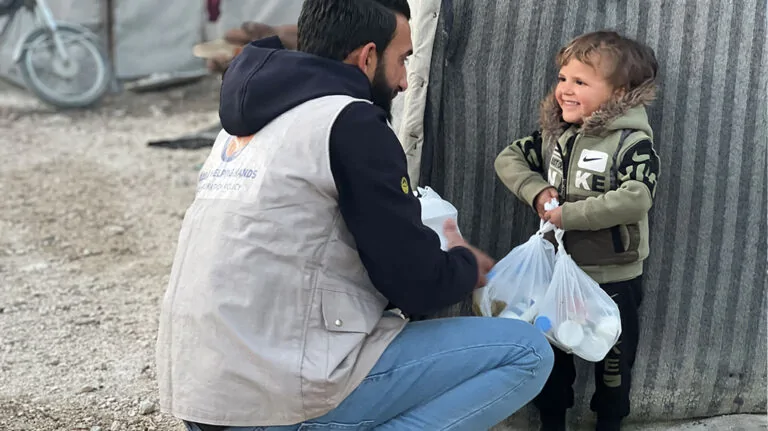
The Bangladesh Floods Appeal funds GHH's team on the ground, which has been delivering hot meals and essential aid to families who lost everything. The appeal also supports supplies, medical care and help to rebuild.
Qurbani, food and Zakat in Bangladesh
Qurbani: GHH carries out Qurbani for families in rural and low-income parts of Bangladesh, where Eid can be a time of longing rather than celebration. Prices on the Bangladesh Qurbani page are:
- £66 for one share (one seventh) of a cow;
- £95 for a sheep or goat;
- £460 for a whole cow, seven shares.
The meat goes to orphans, widows and struggling families, and the sacrifice is carried out according to Islamic guidelines.
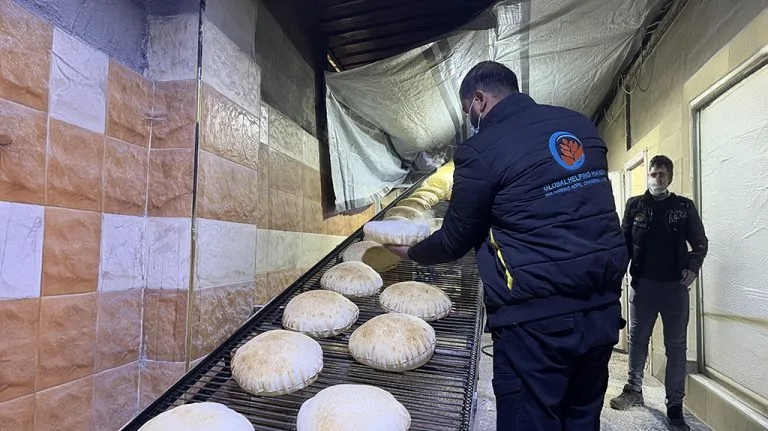
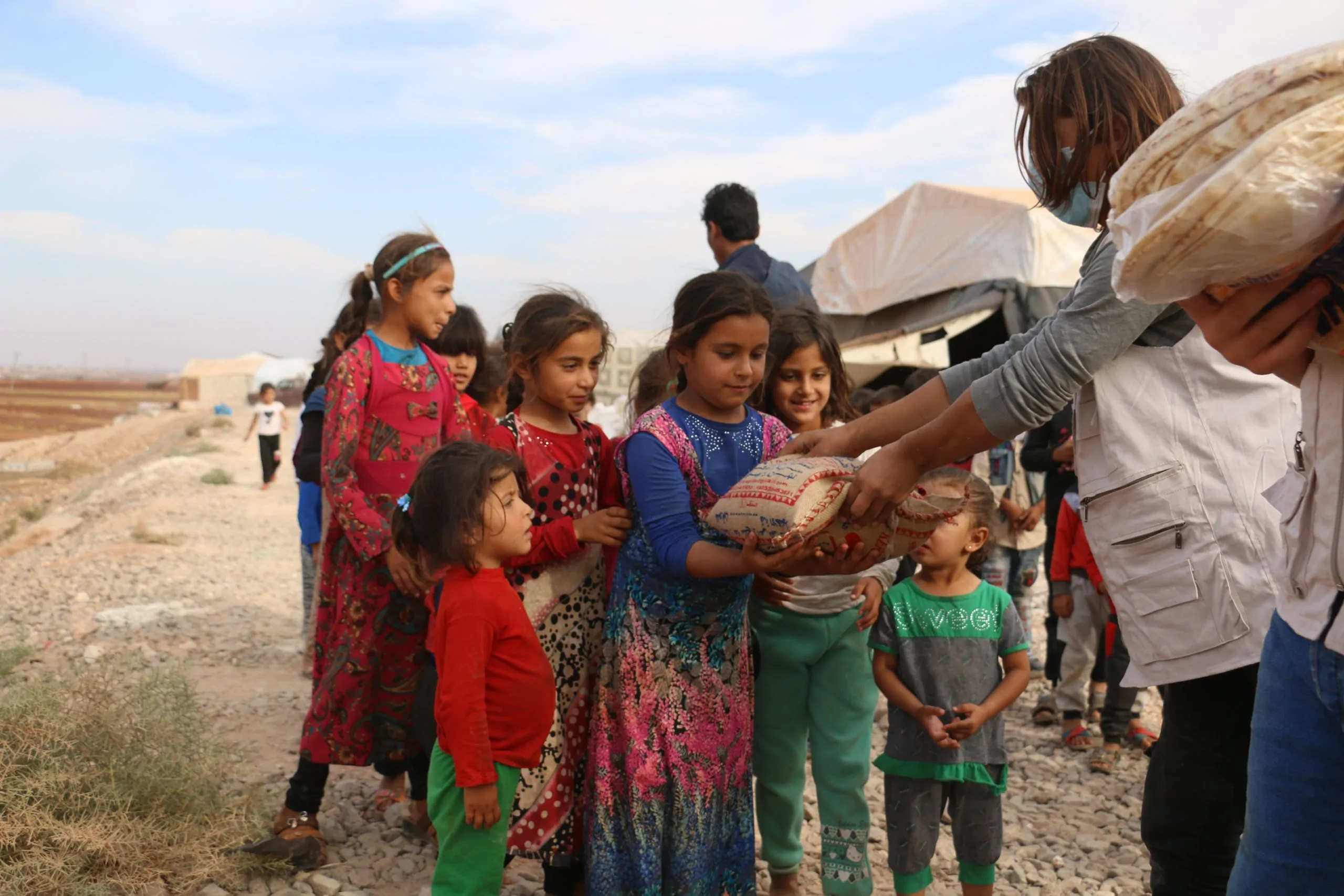
Food: Bangladesh is one of the countries reached by GHH's Food Fund. A £30 parcel of rice, lentils, flour, cooking oil and other staples feeds a family of five for three to four weeks. Giving to the Food Fund lets GHH send parcels to Bangladesh when need there is greatest, for example after a flood.
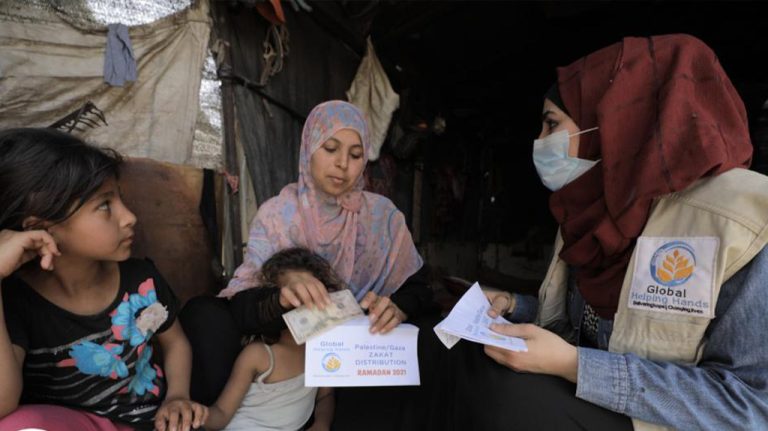
Zakat: GHH lists Bangladesh among the regions where it distributes Zakat, alongside Palestine, Pakistan, Uganda, Lebanon and the Rohingya and Syrian refugee communities. Only eligible recipients receive it, and not a penny of it pays for admin.
The Rohingya camps in Bangladesh
Bangladesh also hosts Rohingya refugees who fled Myanmar. GHH's work there includes a £900 electric water well, 300 feet deep, serving 300 people, and simple musallas of metal and wood for prayer and Qur'an classes, at £2,200 each. A musalla takes about four to five months from donation to completion, and the well is finished within six months.
Because the camps have their own needs and appeals, they are explained in full on GHH's Rohingya refugees page.
Choosing between these depends on what you want your gift to do. A water pump is a lasting asset you can name; flood relief meets an emergency now; Qurbani and food parcels are tied to a season or a family's next month. Any of them is a sound way to support a Bangladesh charity project that you can follow from start to finish.
For broader context on children and families in the country, UNICEF Bangladesh publishes regular information on health, water and education. Whichever project you choose, your donation is covered by GHH's 100% donation policy, so the full amount goes to the work in Bangladesh, and running costs are met separately from Gift Aid and admin donations.

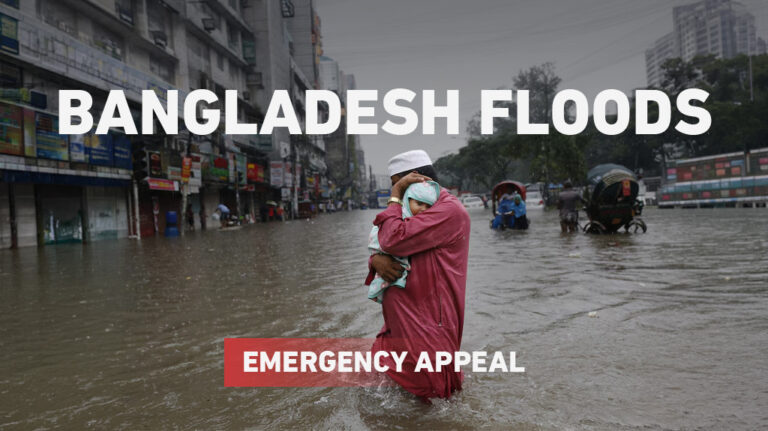 Bangladesh Floods Appeal
Hot meals and essential aid for families hit by floods. Donate now
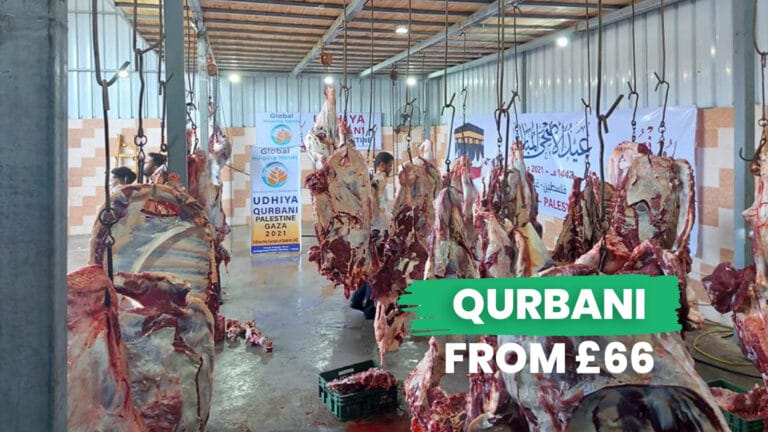 Bangladesh Qurbani
£66 for a cow share, shared with orphans and widows. Donate now
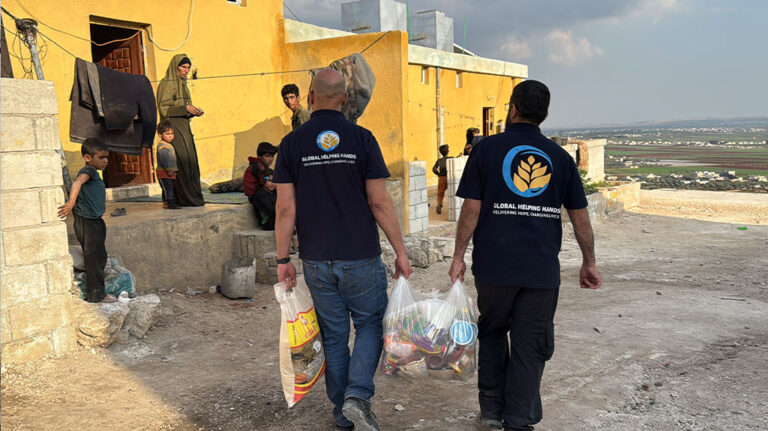 Food Fund
£30 feeds a family of five for three to four weeks. Donate now
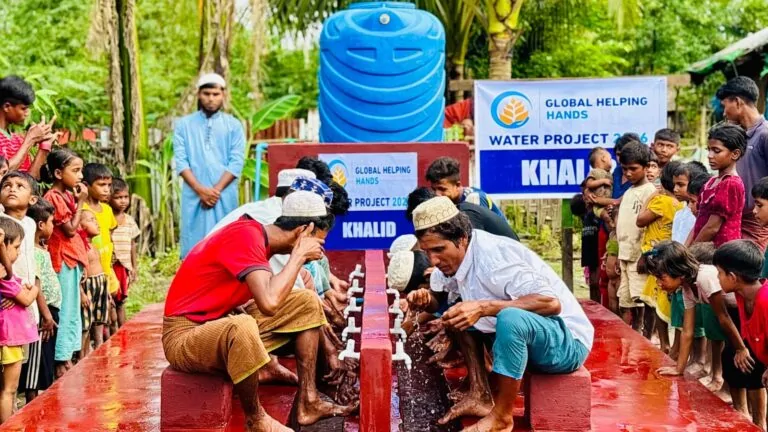 Rohingya Water Well
£900 electric well serving 300 people in the camps. Donate now